
Imagine a loved one relying on a thin, flexible tube for nutrition, medication, or drainage, and feeling anxious about every twist and turn of the tubing. Proper Ng Tube Care transforms that worry into confidence, ensuring the device works smoothly while protecting the patient’s comfort and health. In the following guide, you will discover practical, evidence‑based steps that make managing an Ng tube straightforward and stress‑free.
Key Takeaways
- Clean the Ng tube and surrounding skin daily with mild soap and water.
- Always verify tube placement before each feeding or medication administration.
- Secure the tube with a soft, breathable holder to prevent accidental pulling.
- Watch for signs of blockage, leakage, or skin irritation and act promptly.
- Involve the patient in care decisions to support emotional well‑being and adherence.
Ng Tube Care: Step‑by‑Step Guide
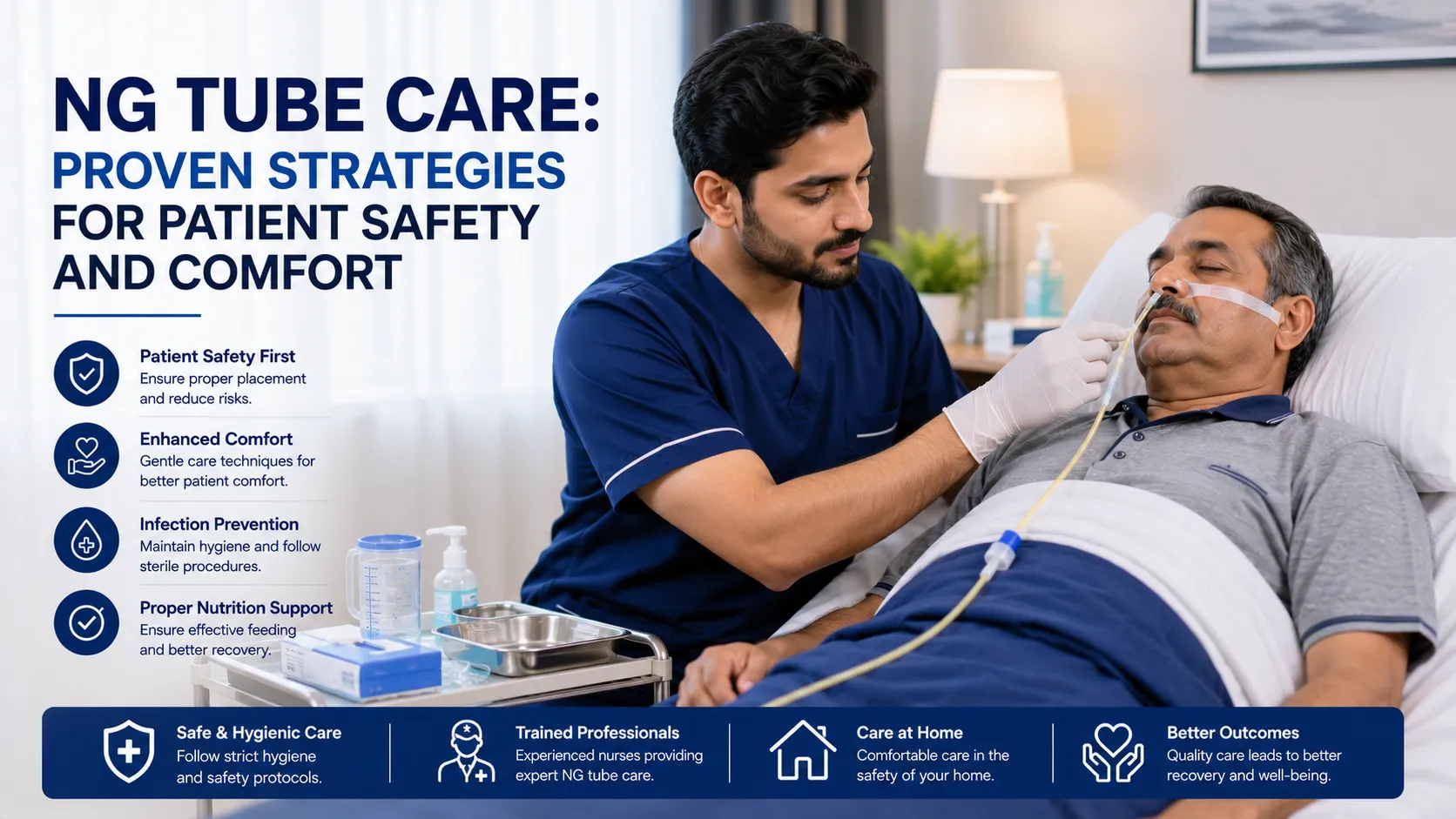
Understanding the purpose of the Ng tube is the first step toward effective management. This nasogastric tube delivers nutrients, medicines, or drains stomach contents directly into the gastrointestinal tract. Knowing why it is placed helps caregivers anticipate needs and respond quickly to changes.
Understanding the Ng Tube
The tube is made of soft polyurethane or silicone, designed to minimize irritation while remaining durable. It passes through the nostril, down the esophagus, and ends in the stomach or small intestine. Proper lubrication during insertion reduces trauma to the nasal mucosa.
Preparing for Care
Gather all supplies before you begin: clean gloves, mild soap, sterile water, saline syringes, adhesive tape or a tube holder, and a clean towel. Wash your hands thoroughly and put on gloves to maintain a sterile environment. Having everything ready prevents interruptions that could increase contamination risk.
Daily Cleaning Routine
Start by gently wiping the external portion of the tube with a damp cloth soaked in warm, soapy water. Rinse with clean water and pat dry with a soft towel. Avoid pulling on the tube; instead, support it with your hand while cleaning. Perform this routine at least twice a day, or more if secretions accumulate.
Monitoring for Complications
Check the nostril for redness, swelling, or discharge each time you clean the tube. Observe the abdomen for distension, pain, or vomiting, which may indicate blockage or displacement. If you notice any abnormal signs, stop feedings and notify a healthcare professional immediately.
When to Seek Help
Persistent coughing, difficulty breathing, or sudden changes in output require urgent medical attention. Also, if the tube becomes dislodged or you cannot flush it with saline, seek help right away. Prompt action reduces the risk of aspiration, infection, or esophageal injury.
Best Practices for Ng Tube Maintenance
Consistent maintenance prolongs the tube’s lifespan and enhances patient comfort. Below are key habits that experienced caregivers swear by.
Hand Hygiene and Glove Use
Always wash hands with soap for at least 20 seconds before touching the tube or feeding equipment. Change gloves between each patient contact to prevent cross‑contamination. Proper hand hygiene is the simplest yet most powerful barrier against infection.
Securing the Tube Properly
Use a soft, breathable tube holder or adhesive tape designed for medical use. Avoid tight wrapping that could restrict blood flow or cause skin breakdown. Re‑check the security of the holder every shift and adjust if the tube has shifted.
Checking Placement Regularly
Before each feeding, medication, or aspiration, confirm tube placement by measuring the external length or checking pH of aspirated fluid. A sudden change in external length may signal migration. Document measurements in a care log to spot trends early.
Troubleshooting Common Ng Tube Issues
Even with diligent care, problems can arise. Knowing how to respond quickly keeps the patient safe and reduces anxiety.
Clogged Tube Solutions
If resistance is felt during flushing, stop and try flushing with warm water using a gentle push‑pull motion. Never use force, as it can rupture the tube. If the clog persists, administer a prescribed enzymatic solution or contact the medical team for further guidance.
Leakage and Skin Irritation
Leakage around the nostril often results from an insecure holder or excessive moisture. Dry the skin thoroughly, reapply a thin barrier cream, and re‑secure the tube. If irritation develops, switch to a hypoallergenic tape and monitor the area closely.
Accidental Dislodgement
Should the tube slip out, do not attempt to re‑insert it yourself. Cover the nostril with a clean gauze pad, keep the patient calm, and call a healthcare professional immediately. Timely re‑placement by a trained clinician prevents complications such as esophageal perforation.
Lifestyle Tips for Patients with an Ng Tube
Living with an Ng tube does not mean giving up quality of life. Small adjustments can make daily routines more comfortable and enjoyable.
Nutrition and Hydration
Work with a dietitian to ensure the feeding formula meets caloric and nutritional needs. Flush the tube with water before and after each feed to maintain patency. Encourage oral sips of water if allowed, to keep the mouth moist and reduce thirst.
Activity and Mobility
Light activities such as walking or seated exercises are generally safe and promote circulation. Avoid vigorous movements that could tug on the tube. Use a lightweight backpack or pouch to hold feeding supplies when moving around the home or clinic.
Emotional Support and Counseling
Feeling dependent on a tube can affect mood and self‑esteem. Encourage open conversations about fears and frustrations. Consider joining a support group or seeking counseling to share experiences and learn coping strategies from others in similar situations.
How often should I flush an Ng tube?
Flush the Ng tube with at least 30 mL of sterile water before and after each feeding, medication administration, or every four hours if the tube is not in use. Regular flushing prevents clot formation and keeps the lumen clear.
Can I shower or bathe with an Ng tube in place?
Yes, you can shower or bathe, but keep the tube and insertion site dry. Use a waterproof cover or plastic wrap over the nostril area and secure it gently. After bathing, pat the skin dry and re‑check the tube’s position.
What should I do if the Ng tube becomes dislodged?
Do not try to re‑insert the tube yourself. Cover the nostril with a clean gauze pad to prevent aspiration, keep the patient calm, and contact a healthcare professional immediately for proper re‑placement.
Are there any foods or liquids I should avoid while using an Ng tube?
Follow the feeding plan prescribed by your medical team. Generally, avoid thick, pulpy, or fibrous substances that could clog the tube unless they are specifically formulated for tube feeding. Clear liquids are usually safe for flushing.
Ready to Enhance Your Ng Tube Care Routine?
Download our free printable checklist and keep essential steps at your fingertips. Click the button below to get started.