
Struggling to fit rehab appointments into a busy schedule? Many patients find travel, waiting rooms, and rigid clinic hours add stress to an already painful recovery process. Imagine receiving expert physiotherapy care without leaving your living room, tailored to your home environment and daily routine. This is exactly what a Physiotherapy Home Care offers – professional treatment delivered directly to you, wherever you are.
In the following sections, we explore how this service works, who benefits most, and what you can expect from each visit. By the end, you’ll have a clear picture of whether bringing the clinic to your doorstep is the right choice for your rehabilitation journey.
Key Takeaways
- Physiotherapy Home Care provides licensed treatment in the comfort of your own home.
- It eliminates travel time, reduces exposure to clinic‑borne illnesses, and allows personalized exercise setups.
- Ideal candidates include post‑surgical patients, seniors with mobility limits, and busy professionals.
- Preparation involves clearing a safe space, wearing comfortable clothing, and sharing medical history.
- Choosing a licensed, insured provider with good reviews ensures quality and safety.
What Is Physiotherapy Home Care?
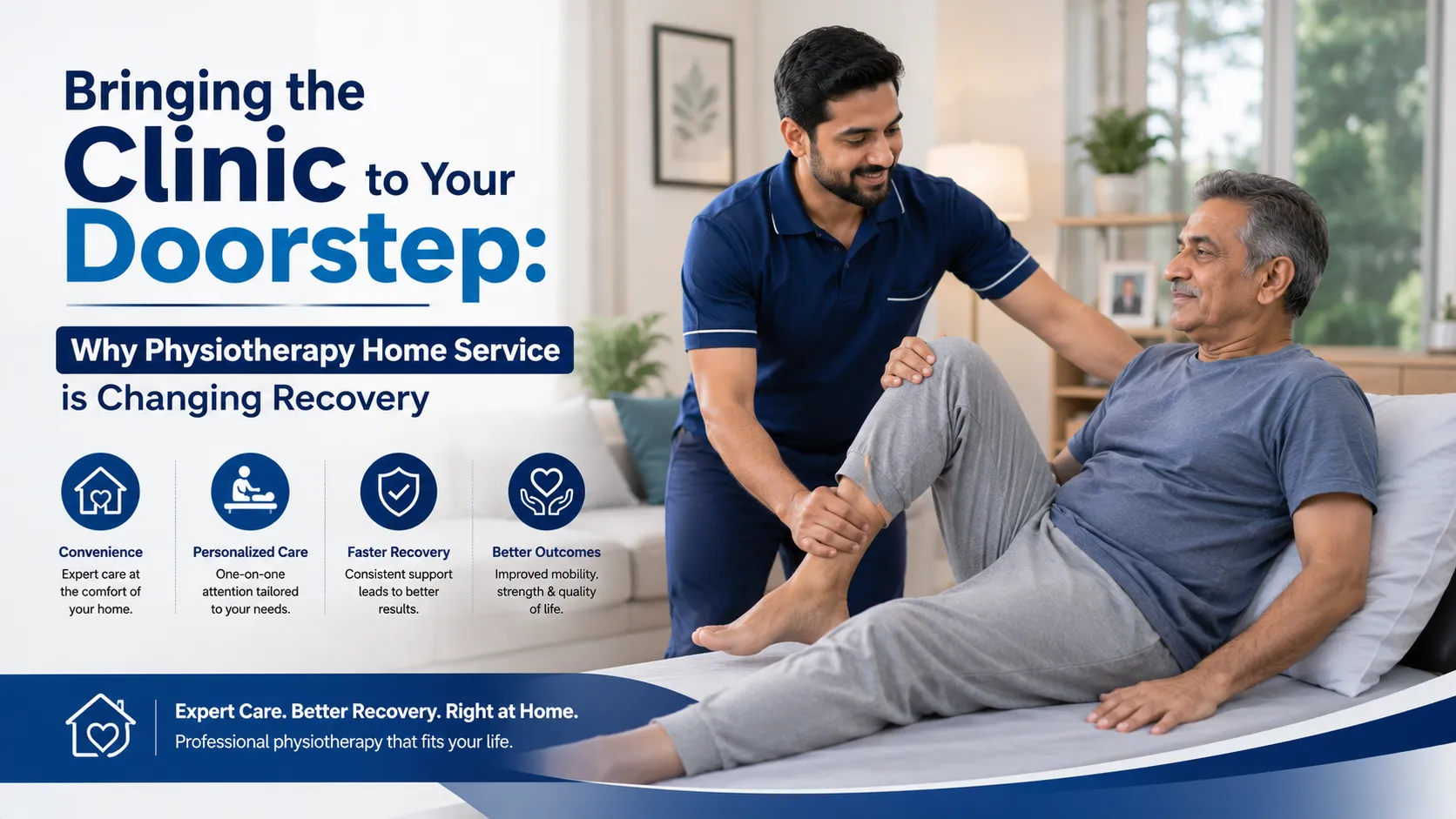
Physiotherapy Home Service means a qualified physiotherapist travels to your residence to deliver assessment, treatment, and education. The therapist brings portable equipment such as resistance bands, small weights, and ultrasound devices, adapting techniques to the space available. Sessions typically last 45–60 minutes and follow the same clinical standards as in‑clinic visits.
Furthermore, the therapist evaluates your home setup, identifies hazards, and suggests ergonomic adjustments that support recovery. This holistic approach addresses not only the injury but also environmental factors that could impede progress.
Benefits of Choosing Physiotherapy Home Service
One major advantage is convenience. You avoid commuting, parking fees, and waiting room delays, which saves both time and money. Moreover, receiving treatment in a familiar environment often reduces anxiety, leading to better engagement with prescribed exercises.
In addition, therapists can observe how you move in your actual living space, providing real‑time feedback on posture, gait, and daily activities. As a result, interventions become more functional and directly applicable to your routine.
Furthermore, home visits lower the risk of cross‑infection, a consideration that remains important for immunocompromised individuals or during flu seasons. Consequently, many patients report faster adherence to home exercise programs when the therapist has demonstrated them in the same setting.
Who Can Benefit Most?
Post‑operative patients recovering from joint replacements, ligament repairs, or spinal surgery often find home physiotherapy invaluable during the early weeks when mobility is limited. Similarly, seniors dealing with arthritis, balance disorders, or frailty gain safety and confidence when exercises are performed under supervision at home.
Busy professionals and parents who struggle to schedule clinic visits also benefit, as appointments can be arranged during evenings or weekends. Additionally, individuals with neurological conditions such as stroke or Parkinson’s disease receive task‑specific training that translates directly to home‑based challenges.
How to Prepare for a Physiotherapy Home Service Visit
Before the therapist arrives, clear a modest area—about six by six feet—free of clutter and tripping hazards. Have a sturdy chair, a mat or towel, and any assistive devices you normally use within reach. Wear comfortable clothing that allows easy movement, such as a t‑shirt and stretchy pants.
Furthermore, prepare a brief medical summary: recent surgeries, current medications, pain levels, and specific goals you wish to achieve. Sharing this information enables the therapist to tailor the session effectively from the start.
Finally, ensure good lighting and ventilation. If you have pets, consider keeping them in another room to avoid distractions. These simple steps help the therapist focus entirely on your treatment.
Choosing the Right Provider
Not all home‑based physiotherapy services are equal. Look for providers that employ licensed physiotherapists with valid registration in your state or country. Verify that the company carries liability insurance and conducts background checks on its staff.
Moreover, read patient reviews and ask about the therapist’s experience with your specific condition. A reputable provider will gladly share credentials, explain their treatment approach, and offer a clear pricing structure without hidden fees.
In addition, inquire about the equipment they bring and whether they can accommodate any special needs you might have, such as bariatric tables or portable ultrasound. Consequently, you’ll feel confident that the therapist can deliver safe, effective care in your home.
Physiotherapy Home Service: What to Expect During a Session
The session begins with a brief conversation about your symptoms, progress since the last visit, and any new concerns. The therapist then performs a focused assessment, which may include range‑of‑motion testing, strength measurements, and functional tasks like sit‑to‑stand or stair climbing.
Following the evaluation, the therapist guides you through a customized exercise program, using portable tools to provide resistance or assistance as needed. Manual therapy techniques—such as joint mobilizations or soft‑tissue massage—may be applied if indicated.
Furthermore, the therapist educates you on self‑management strategies, including posture correction, home exercise progression, and pain‑relief modalities like heat or ice. At the end of the session, you’ll receive a clear home‑exercise plan and instructions for the next visit.
As a result, each appointment builds on the previous one, steadily advancing your recovery while keeping you comfortable and motivated in your own space.
Cost Considerations and Insurance Coverage
Home physiotherapy often carries a slightly higher per‑session fee than clinic‑based care due to travel time and equipment transport. However, many insurance plans cover home visits when deemed medically necessary, especially after surgery or for chronic conditions.
Furthermore, some providers offer package deals or sliding‑scale fees based on income, making the service more accessible. It’s advisable to contact your insurer beforehand to confirm coverage limits, required documentation, and any pre‑authorization steps.
In addition, consider the indirect savings: reduced transportation costs, less time off work, and lower risk of missed appointments due to travel difficulties. Consequently, the overall value of home physiotherapy frequently outweighs the modest price difference.
Frequently Asked Questions
Is physiotherapy at home as effective as in‑clinic treatment?
Yes, numerous studies show that home‑based physiotherapy yields comparable outcomes to clinic‑based care for conditions such as post‑operative orthopedic rehabilitation, chronic low back pain, and geriatric balance training. The key factor is the therapist’s expertise, not the location.
What equipment does the therapist bring to a home visit?
Typical portable gear includes resistance bands, light dumbbells, ankle weights, a portable ultrasound or TENS unit, balance pads, and a goniometer for measuring joint angles. Therapists also bring assessment tools like reflex hammers and blood pressure cuffs when needed.
How often should I schedule home physiotherapy sessions?
Frequency depends on your diagnosis, stage of recovery, and therapist recommendations. Acute post‑surgical cases often start with two to three sessions per week, tapering to once weekly as you gain independence. Chronic conditions may benefit from weekly or bi‑weekly visits for maintenance and progression.
Can I claim home physiotherapy on my tax return?
In many jurisdictions, physiotherapy services prescribed by a licensed physician qualify as a deductible medical expense. Keep detailed invoices and the prescription or referral note to substantiate your claim when filing taxes.
What should I do if I feel pain during a home session?
Inform the therapist immediately. They will assess whether the pain is expected muscle soreness or a sign of overexertion, then adjust the intensity or modify the exercise. Never push through sharp or worsening pain without professional guidance.
Ready to Experience Physiotherapy Home Care?
Skip the commute, enjoy personalized care, and recover faster in the comfort of your own home.