
Many families feel overwhelmed when they realize a loved one needs extra support as they age. The good news is that thoughtful planning and informed choices can transform this challenge into an opportunity for deeper connection and dignity. In the following guide, you will discover practical approaches to Senior Citizen Care that promote safety, independence, and emotional well‑being for older adults.
Key Takeaways
- Assess physical, cognitive, and social needs before selecting any care option.
- Combine medical supervision with companionship to address holistic well‑being.
- Explore in‑home services, adult day programs, and residential facilities based on preference and budget.
- Leverage technology such as medication reminders and fall‑detect sensors to increase safety.
- Address legal and financial matters early to protect assets and ensure wishes are honored.
Understanding the Needs of Aging Adults
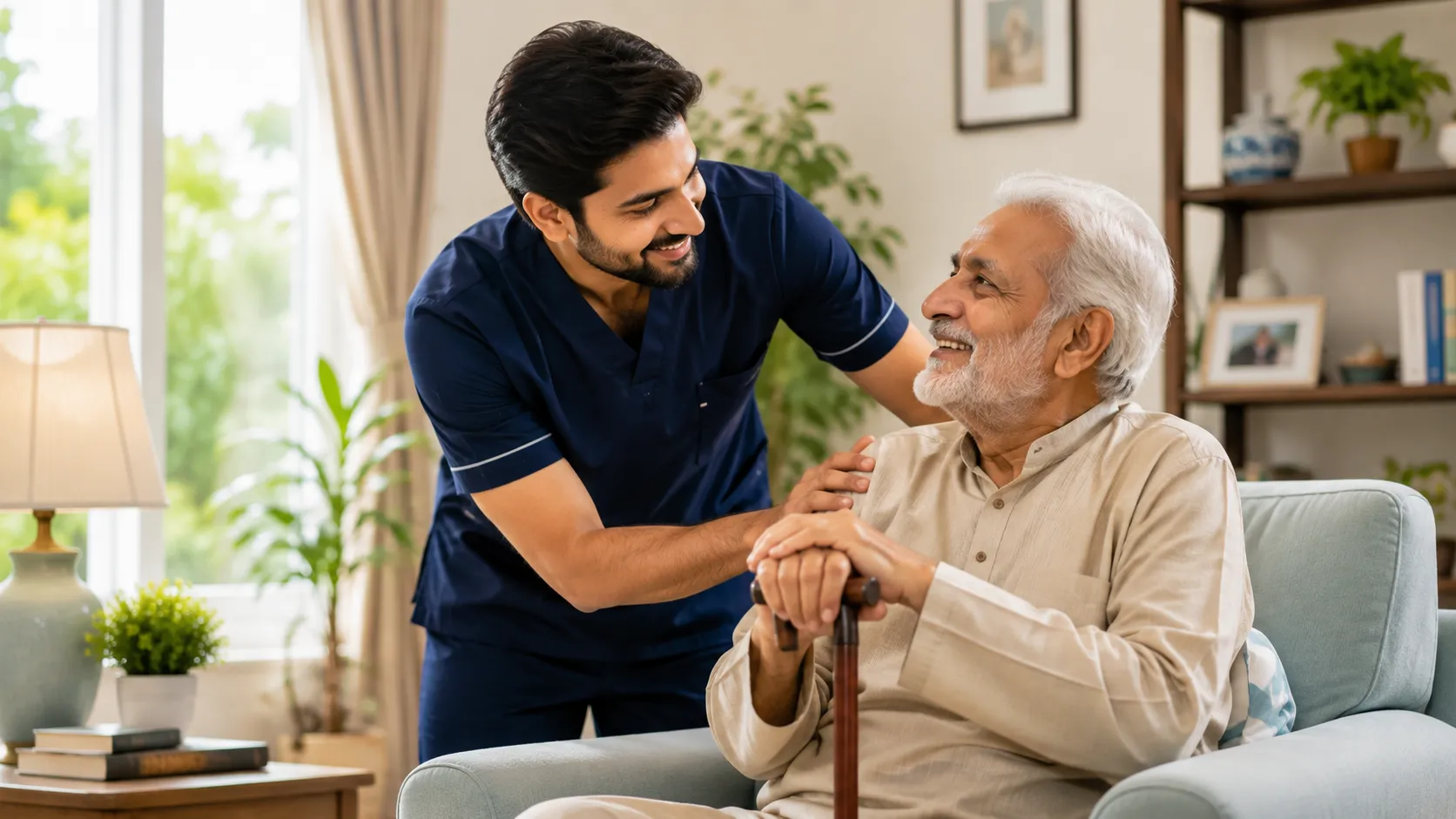
As people grow older, they often experience changes in mobility, vision, hearing, and memory. These shifts can affect daily activities such as cooking, bathing, and managing medications. Recognizing these changes early allows families to intervene before minor difficulties become serious risks. Moreover, emotional needs like companionship and purpose remain vital; isolation can accelerate cognitive decline.
Consequently, a comprehensive assessment should cover physical health, mental acuity, medication regimen, home safety, and social engagement. Professionals such as geriatric care managers or primary care physicians can provide valuable insights during this evaluation.
Key Elements of Senior Citizen Care
Effective Senior Citizen Care rests on four pillars: medical management, personal assistance, social engagement, and environmental safety. Each pillar addresses a distinct aspect of an older adult’s life, yet they overlap to create a supportive ecosystem.
Medical management includes regular physician visits, medication reconciliation, and monitoring chronic conditions like diabetes or hypertension. Personal assistance covers help with activities of daily living (ADLs) such as dressing, grooming, and meal preparation. Social engagement encourages participation in hobbies, faith groups, or intergenerational programs that stave off loneliness. Finally, environmental safety involves modifying the home to prevent falls, installing grab bars, and ensuring adequate lighting.
Furthermore, coordination among caregivers, healthcare providers, and family members ensures that services are seamless and responsive to changing needs.
In‑Home Care Options
Many seniors prefer to remain in their own homes, a concept known as “aging in place.” In‑home care can range from a few hours of companionship per week to full‑time nursing support. Services commonly offered include personal care aides, skilled nursing, physical therapy, and hospice care.
Additionally, technology enhances in‑home support. Medication dispensers with alerts, wearable fall detectors, and video‑call platforms enable remote monitoring while preserving independence. Families should verify caregiver credentials, conduct background checks, and establish clear care plans.
As a result, seniors often report higher satisfaction when they can stay surrounded by familiar belongings and memories.
Community‑Based Services
When in‑home care is insufficient, community resources provide valuable alternatives. Adult day programs offer supervised activities, meals, and health monitoring during daytime hours, giving family caregivers respite. Senior centers frequently host fitness classes, educational workshops, and social events tailored to older interests.
Furthermore, transportation services help seniors attend medical appointments, grocery shop, or visit friends, reducing isolation. Many municipalities subsidize these programs, making them affordable options for families on a budget.
Therefore, exploring local offerings can extend the support network beyond the household.
Health and Wellness Management
Maintaining physical health is a cornerstone of quality Senior Citizen Care. Regular exercise, even low‑impact activities like walking or chair yoga, improves balance, strength, and mood. Nutrition plans should emphasize lean proteins, whole grains, fruits, and vegetables while limiting sodium and added sugars.
In addition, preventive screenings for cancer, osteoporosis, and cardiovascular disease catch issues early. Vaccinations against influenza, pneumonia, and shingles protect vulnerable immune systems. Mental health is equally important; counseling or mindfulness practices can alleviate anxiety or depression that sometimes accompanies aging.
Consequently, a proactive wellness routine reduces hospitalizations and promotes longevity.
Legal and Financial Planning
Planning ahead safeguards both the senior’s wishes and the family’s financial security. Essential documents include a durable power of attorney for healthcare, a living will, and a revocable trust if appropriate. These instruments ensure that decisions about medical treatment and asset management reflect the individual’s preferences.
Moreover, reviewing insurance policies, long‑term care coverage, and veteran benefits can uncover resources that offset care costs. Consulting an elder law attorney or a certified financial planner provides personalized guidance tailored to state regulations and family dynamics.
As a result, families avoid crises and can focus on providing compassionate support rather than scrambling for paperwork.
Emotional and Social Support
Loneliness poses a serious health risk comparable to smoking or obesity. Encouraging regular interaction with friends, family, or community groups combats this threat. Intergenerational programs, volunteer opportunities, and pet therapy have shown measurable improvements in mood and cognitive function.
Furthermore, support groups for caregivers offer emotional relief and practical tips. Sharing experiences reduces burnout and fosters a sense of solidarity among those navigating similar challenges.
Therefore, nurturing relationships is as vital as addressing physical needs in any care plan.
Choosing the Right Care Provider
Selecting a trustworthy provider requires diligence. Begin by identifying the specific services needed—whether skilled nursing, companionship, or specialized dementia care. Next, research agencies or facilities through online reviews, state licensing boards, and personal referrals.
When interviewing potential caregivers, ask about training, emergency procedures, staff turnover rates, and how they handle complaints. Request a trial period if possible to observe compatibility and quality of interaction.
Furthermore, clear contracts outlining scope of work, fees, and termination clauses protect both parties. Transparency builds trust and sets expectations from the outset.
As a result, families feel confident that their loved one receives respectful, competent care.
Technology Aids for Senior Care
Modern devices simplify many aspects of caregiving. Smart pill dispensers alert users when it’s time to take medication and notify caregivers if a dose is missed. Motion sensors placed around the home can detect unusual inactivity, signaling a potential fall or medical emergency.
Additionally, video‑call tablets with large icons enable seniors to stay connected with grandchildren, reducing feelings of isolation. Voice‑activated assistants help control lights, thermostats, and entertainment systems without requiring complex menus.
Consequently, integrating technology enhances safety, independence, and peace of mind for both seniors and their families.
Call to Action: Start Your Care Journey Today
Ready to Ensure Loved Ones Thrive?
Download our free Senior Citizen Care Checklist and begin creating a personalized plan that covers health, safety, and happiness.
Frequently Asked Questions
What is the first step in planning Senior Citizen Care?
Begin with a comprehensive needs assessment that evaluates physical health, cognitive function, medication regimen, home safety, and social support. Consulting a geriatric care manager or primary care physician can provide an objective baseline for decision‑making.
How can families balance cost with quality when selecting care options?
Compare multiple providers, request detailed cost breakdowns, and explore financial assistance programs such as Medicaid waivers, veteran benefits, or long‑term care insurance. Sometimes a hybrid approach—part‑time in‑home aide supplemented by adult day services—offers both affordability and high quality.
Yes. Technology such as medication reminders, fall‑detect wearables, and home monitoring sensors can significantly increase safety and independence. These tools are most effective when combined with regular human oversight and personalized care plans.
What legal documents should every senior have in place?
A durable power of attorney for healthcare, a living will (advance directive), and a HIPAA authorization form are essential. Depending on the situation, a revocable trust or a standard will may also be advisable to manage asset distribution.
How do I know if a caregiver is a good fit for my loved one?
Look for caregivers who demonstrate empathy, patience, and strong communication skills. Verify their certifications, run background checks, and observe a trial shift to see how they interact with your loved one. Compatibility in personality and interests often predicts a successful, long‑term relationship.