
Imagine needing help with daily tasks but wishing to stay in the comfort of your own home. Home Attendant Services make that possible by providing personalized support right where you live. This article explores what these services entail, who benefits most, and how to choose the right provider.
Key Takeaways
- Home Attendant Services include personal care, medication reminders, light housekeeping, and companionship.
- Seniors, individuals recovering from surgery, and those with chronic conditions gain the most from in‑home assistance.
- Choosing a licensed, vetted provider ensures safety, reliability, and peace of mind for families.
- Costs vary by location and level of care; many options accept long‑term care insurance or Medicaid waivers.
- Real‑life examples show improved mood, reduced fall risk, and greater independence when support is tailored to the individual.
Understanding In‑Home Attendant Care
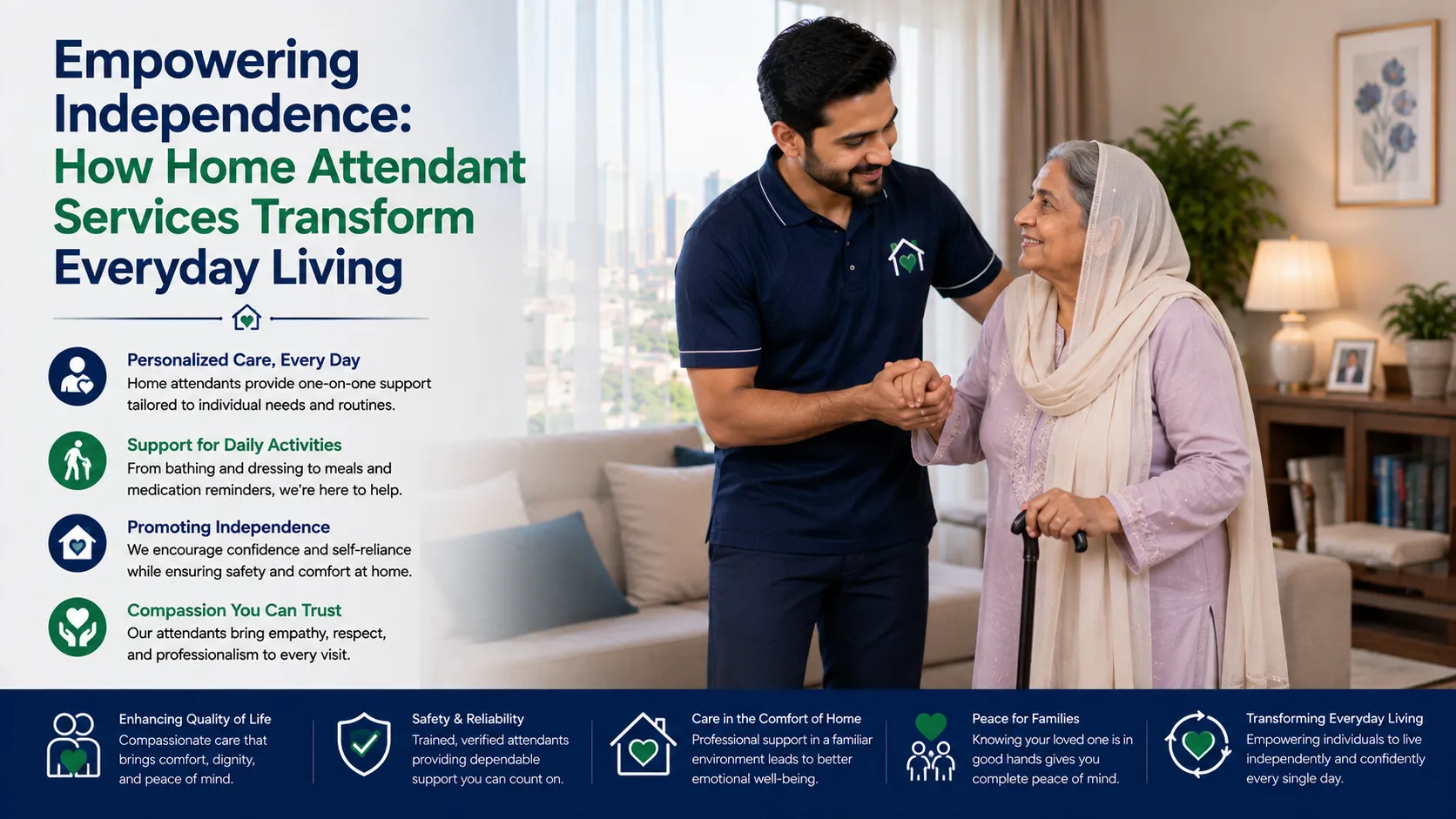
In‑home attendant care focuses on helping clients with activities of daily living (ADLs) such as bathing, dressing, grooming, and mobility. Unlike medical nursing, attendants provide non‑clinical support that enhances quality of life while respecting personal routines. Consequently, clients often report feeling more dignified and less isolated.
Home Attendant Services: What They Include
The core of Home Attendant Services revolves around a customized care plan developed after an initial assessment. Typical components include personal hygiene assistance, medication reminders, meal preparation, light laundry, and transportation to appointments. Furthermore, many agencies offer companionship activities like reading, games, or simple conversation to stimulate mental engagement.
Because each plan is tailored, the attendant may also help with exercise routines prescribed by a physical therapist or monitor vital signs for basic health tracking. This flexibility ensures that the support evolves as the client’s needs change over time.
Who Benefits Most from Home Attendant Services?
Older adults who wish to age in place represent the largest user group, especially those managing arthritis, diabetes, or early‑stage dementia. Individuals recovering from hip or knee surgery often require short‑term assistance with wound care and mobility until they regain strength. Additionally, adults with disabilities or chronic illnesses find that regular attendant support reduces hospital readmissions and promotes steady recovery.
Family caregivers also benefit immensely; having a reliable attendant allows them to work, attend to personal health, or simply rest without guilt. As a result, the overall household stress level drops, and relationships improve.
How to Choose the Right Home Attendant Provider
Start by verifying that the agency holds state licensure and conducts thorough background checks on all staff. Ask about training programs—do attendants receive certification in CPR, first aid, and dementia care? Moreover, request references from current clients to gauge satisfaction and reliability.
Transparency in pricing is essential; obtain a written estimate that outlines hourly rates, any minimum shift requirements, and potential extra fees for holidays or overnight stays. Finally, trust your instincts during the introductory meeting; a compassionate, attentive attendant often signals a good match.
Cost Considerations and Insurance Coverage
The national average for home attendant care ranges from $20 to $35 per hour, depending on geographic location and the level of expertise required. Some states offer Medicaid waivers that cover a portion of these expenses for eligible low‑income seniors. Long‑term care insurance policies frequently include provisions for in‑home personal care, which can substantially offset out‑of‑pocket costs.
It’s advisable to consult a financial planner or elder law attorney to explore all available funding sources, including veterans’ benefits or community grant programs. By planning ahead, families can avoid unexpected financial strain while ensuring continuous care.
Real‑Life Examples: How Home Attendant Services Improve Daily Life
Consider Maria, an 82‑year‑old widow with mild cognitive impairment. After hiring an attendant for three mornings a week, she resumed her favorite hobby of gardening, attended weekly church services, and reported feeling “more like herself” within a month. The attendant’s gentle reminders to take medication prevented missed doses, and the companionship reduced her feelings of loneliness.
In another case, James, a 45‑year‑old recovering from a spinal injury, used attendant services for six weeks post‑surgery. The attendant assisted with transfers, prepared nutritious meals, and encouraged light stretching as directed by his therapist. Consequently, James regained independent walking sooner than anticipated and avoided a costly rehospitalization.
What tasks can a home attendant legally perform?
Home attendants are permitted to assist with personal care activities such as bathing, dressing, grooming, toileting, and mobility support. They may also provide medication reminders, prepare meals, perform light housekeeping, run errands, and offer companionship. However, they cannot administer medications, perform medical procedures, or give clinical advice unless they hold additional certifications like a CNA or LPN.
How do I verify that an attendant is trustworthy and qualified?
Request proof of state licensure for the agency and ask for copies of each attendant’s background check, training certificates, and references. Conduct an in‑person interview to assess communication skills and empathy. Additionally, check online reviews and consult with local aging agencies or healthcare providers for recommendations.
Can home attendant services be combined with home health care?
Yes. Many clients receive both types of care simultaneously: home health nurses handle wound care, IV therapy, or vital sign monitoring, while attendants focus on ADLs and companionship. Coordinating schedules between the two providers ensures comprehensive support without duplication of effort.
What should I do if I’m unhappy with the attendant assigned to my loved one?
First, discuss your concerns directly with the agency’s care manager; most issues can be resolved through reassignment or additional training. If problems persist, request a formal review of the care plan and consider switching to a different provider. Document specific incidents to facilitate a smooth transition.
Ready to Enhance Quality of Life at Home?
If you or a loved one could benefit from compassionate, reliable support, take the next step today. Contact a licensed home attendant agency for a free consultation and discover how personalized care can restore independence, safety, and joy to everyday living. Start Your Free Care Assessment Now