
When a loved one needs extra help at home or in a hospital, the search for a trustworthy patient attendant in Karachi often begins with uncertainty. Families worry about qualifications, reliability, and cost while wanting the best possible care. This guide answers those concerns directly, offering clear steps, practical tips, and local insights to help you make an informed decision quickly.
Key Takeaways:
- A patient attendant provides personal, medical, and emotional support to individuals recovering from illness, surgery, or chronic conditions.
- Key responsibilities include medication reminders, mobility assistance, hygiene help, and monitoring vital signs.
- In Karachi, reputable agencies and independent caregivers offer flexible schedules ranging from part‑time to 24‑hour live‑in care.
- Verify certifications, background checks, and references before hiring; a trial shift can reveal compatibility.
- Average costs range from PKR 1,200 to PKR 2,500 per shift, depending on experience and required duties.
What Is a Patient Attendant?
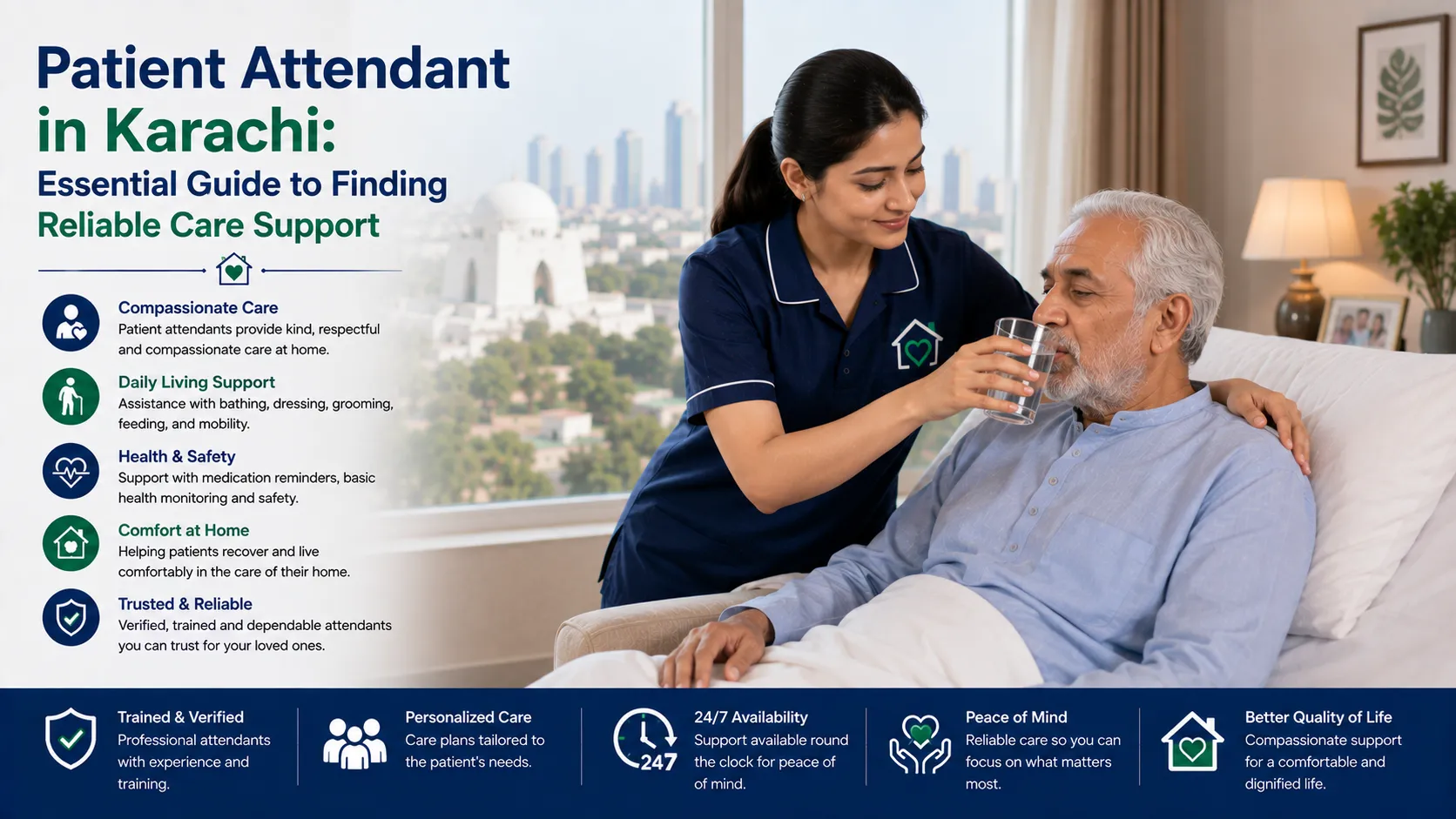
A patient attendant, sometimes called a caregiver or nursing aide, assists individuals who cannot fully manage daily activities on their own. Unlike a registered nurse, the attendant focuses on non‑clinical support such as bathing, dressing, feeding, and companionship. In Karachi, many attendants also have basic training in monitoring blood pressure, glucose levels, and wound care, making them a bridge between family care and professional medical services.
Core Roles and Responsibilities
The scope of work varies based on the patient’s condition and the family’s expectations. Typical duties include:
- Assisting with bathing, grooming, and toileting.
- Helping with mobility—transferring from bed to wheelchair, walking support, and exercise encouragement.
- Administering medication reminders (though not prescribing or injecting).
- Preparing nutritious meals and assisting with feeding when needed.
- Monitoring vital signs and reporting changes to family or healthcare professionals.
- Providing emotional companionship, engaging in conversation, and reducing feelings of isolation.
These tasks ensure the patient’s safety, comfort, and dignity while allowing family members to attend to work or personal obligations.
Why Hire a Patient Attendant in Karachi?
Karachi’s bustling lifestyle often leaves families stretched thin, especially when caring for elderly parents or post‑surgical patients. A dedicated attendant offers peace of mind by providing consistent supervision, reducing the risk of falls or medication errors. Moreover, professional attendants can detect early signs of complications—such as swelling, fever, or confusion—and alert medical staff promptly, potentially preventing hospital readmissions.
How to Find a Qualified Patient Attendant in Karachi
Locating the right caregiver involves several deliberate steps. First, decide whether you prefer an agency‑provided attendant or an independent freelancer. Agencies typically handle background checks, training verification, and replacement if the attendant is unavailable. Independent caregivers may offer lower rates but require you to conduct your own vetting.
Next, compile a list of potential candidates. Use trusted online platforms, ask for referrals from doctors or friends, and check local community boards. When you have a shortlist, prepare a set of interview questions covering experience, certifications, language proficiency, and availability.
Finally, arrange a trial shift—usually a few hours—to observe interaction with the patient, punctuality, and attitude. Use this period to clarify expectations regarding duties, schedule, and communication protocols.
Training and Certification Requirements
While Karachi does not have a single nationwide licensing body for patient attendants, many reputable caregivers hold certifications from recognized institutions. Look for credentials such as:
-
- Basic Nursing Assistant (BNA) course from the Sindh Nursing Examination Board.
- First Aid and CPR certification from the Red Cross Pakistan or equivalent.
- Specialized training in dementia care, post‑operative support, or palliative care offered by private hospitals.
Ask candidates to show original certificates or verification letters. Additionally, inquire about any ongoing refresher courses they attend to stay updated on best practices.
Cost Factors and Pricing
Several variables influence the price of a patient attendant in Karachi:
-
-
- Experience level: entry‑level attendants charge PKR 1,200–1,500 per 8‑hour shift, while seasoned professionals with specialized training may demand PKR 2,000–2,500.
- Shift duration: night shifts or 24‑hour live‑in arrangements often incur a premium of 20‑30%.
- Scope of duties: tasks requiring medical monitoring (e.g., glucose checks, catheter care) increase rates.
- Agency fees: if hired through an agency, expect an additional 10‑15% service charge on top of the attendant’s wage.
-
It is wise to obtain a written agreement that outlines hourly rates, overtime policies, payment schedule, and any extra charges for transportation or meals.
Top Agencies Providing Patient Attendants in Karachi
Several local agencies have built strong reputations for quality and reliability. Below are a few well‑known options (names are provided for informational purposes only; always conduct your own due diligence):
-
-
-
- Karachi Care Services – offers flexible hourly and live‑in packages, with attendants verified through police checks.
- HomeHeal Attendants – focuses on post‑surgical and elderly care, providing supervisors who conduct weekly quality visits.
- Sehat Support – emphasizes training in dementia and palliative care, with a replacement guarantee if the attendant is unsuitable.
- MediAssist Karachi – provides attendants with basic nursing qualifications and offers 24/7 customer support.
- ComfortCare Partners – known for bilingual attendants (English/Urdu) catering to expatriate families.
-
-
When contacting these agencies, request a detailed breakdown of fees, replacement policies, and the specific training each attendant has completed.
Tips for Ensuring Quality Care
Even after hiring a competent attendant, ongoing oversight helps maintain high standards. Consider the following practices:
-
-
-
-
- Maintain a daily log where the attendant records medication times, meals, fluid intake, and any observed changes.
- Schedule brief check‑ins—either in person or via video call—at least twice a day to discuss concerns.
- Encourage open communication; let the attendant know they can report issues without fear of reprisal.
- Review the attendant’s punctuality and appearance regularly; professionalism often correlates with care quality.
- If possible, involve a visiting nurse or physiotherapist monthly to assess the care plan and suggest adjustments.
-
-
-
Common Challenges and Practical Solutions
Families sometimes encounter obstacles such as language barriers, inconsistent attendance, or mismatched expectations. Here’s how to address them:
-
-
-
-
-
- Language: Choose an attendant fluent in the patient’s preferred language (Urdu, English, or a regional dialect). Many agencies list language skills in their profiles.
- Attendance: Clarify backup policies upfront; reputable agencies guarantee a replacement within a few hours if the primary attendant calls in sick.
- Expectations: Draft a simple care plan that outlines specific tasks, preferred routines, and boundaries. Review it together during the first week and adjust as needed.
- Trust: Start with a short trial period and gradually increase hours as confidence builds.
-
-
-
-
Conclusion
Finding a reliable patient attendant in Karachi does not have to be overwhelming. By understanding the role, verifying qualifications, comparing costs, and establishing clear communication, families can secure compassionate support that enhances the patient’s quality of life. Use the steps outlined in this guide as a roadmap, and remember that the right attendant becomes not just a helper, but a trusted partner in the journey toward recovery and well‑being.
What qualifications should I look for in a patient attendant in Karachi?
Look for a Basic Nursing Assistant certificate, First Aid/CPR training, and any specialized courses such as dementia or post‑operative care. Verify that the attendant has undergone a police background check and possesses good references from previous employers.
How much does a patient attendant cost per shift in Karachi?
Rates typically range from PKR 1,200 to PKR 2,500 for an 8‑hour shift. Night shifts, live‑in arrangements, or attendants with advanced medical training may cost more. Agency fees can add an extra 10‑15% to the base price.
Yes, many agencies and independent caregivers offer 24‑hour live‑in care. This option is ideal for patients needing constant supervision, such as those with advanced dementia or severe mobility limitations. Ensure the attendant receives adequate rest periods as per labor guidelines.
Can I hire a patient attendant for just a few hours a day?
Absolutely. Flexible hourly packages are widely available in Karachi, allowing families to arrange care for specific times—such as morning hygiene assistance or evening medication reminders—based on the patient’s needs and the family’s schedule.
What should I do if the attendant is not a good fit?
First, discuss your concerns openly with the attendant or agency supervisor. Most agencies provide a replacement guarantee within a defined period (often 48‑72 hours). If you hired independently, consider ending the trial shift early and searching for a better match using the same vetting process.
Ready to Secure Compassionate Care?
Contact a trusted Karachi attendant agency today or schedule a free consultation to discuss your loved one’s needs.