
When families search for nursing home care in Karachi, they often feel overwhelmed by choices and uncertain about what to expect. This guide answers the most pressing questions: what services are provided, how to assess quality, and which factors truly matter for a loved one’s well‑being. Read on to gain clear, actionable insights that simplify the decision‑making process.
Key Takeaways
- Nursing home care in Karachi combines medical supervision, personal assistance, and social activities.
- Key evaluation criteria include staff qualifications, safety features, location, and transparent pricing.
- Understanding local licensing laws helps you verify a facility’s legitimacy and protect resident rights.
- Early visits, detailed checklists, and open communication with staff significantly improve outcomes.
Understanding Nursing Home Care: Definition and Services
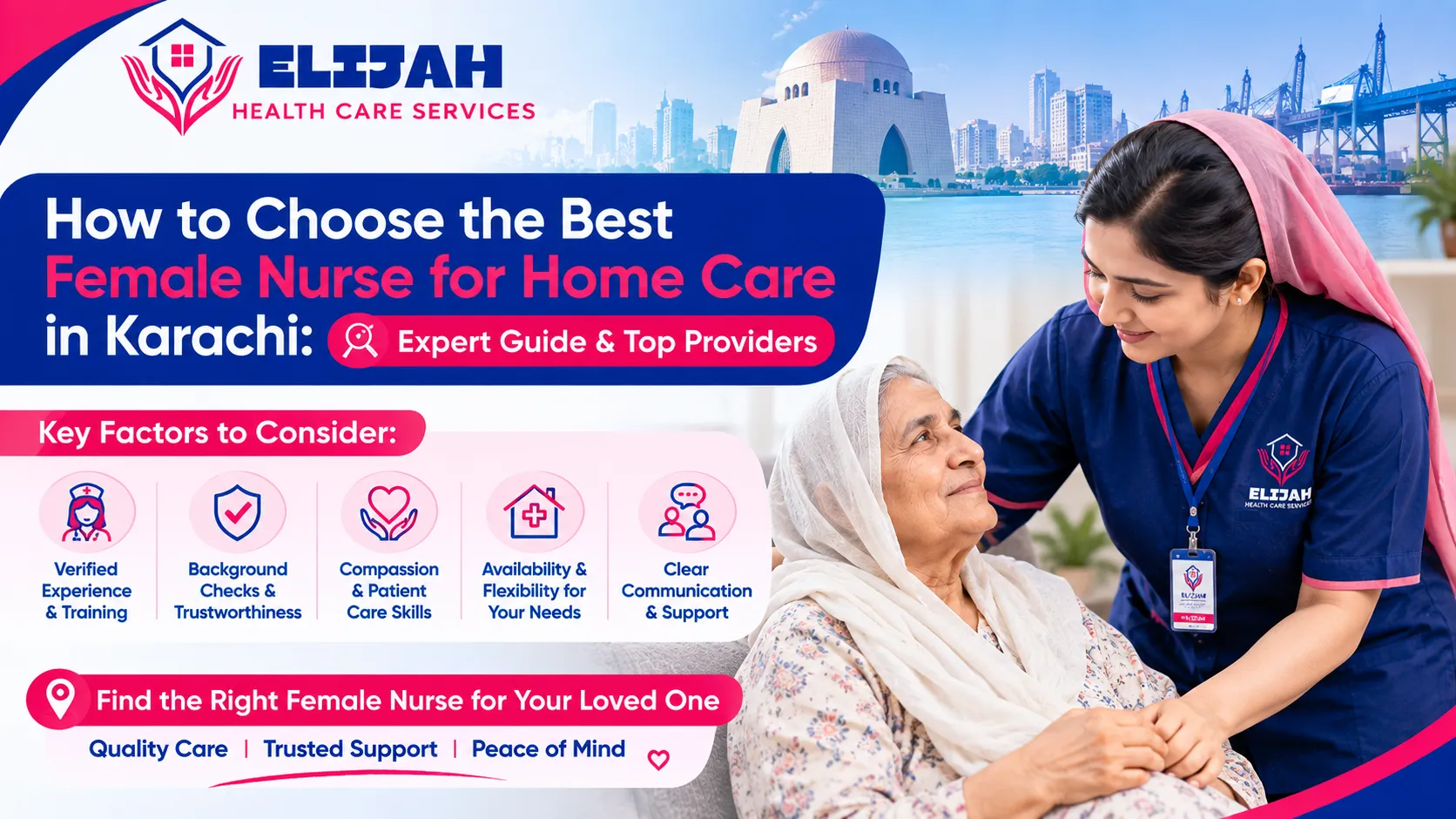
Nursing home care refers to residential facilities that provide 24‑hour medical supervision, assistance with daily living, and therapeutic programs for individuals who cannot live independently. In Karachi, these homes cater to elderly residents, post‑surgical patients, and those with chronic conditions such as dementia or Parkinson’s disease.
Typical services include skilled nursing, medication management, physiotherapy, nutritional planning, and recreational activities. Many facilities also offer specialized units for memory care or palliative support, ensuring that care levels match each resident’s evolving needs.
Types of Care Offered
Facilities generally classify care into three tiers: custodial, skilled, and specialized. Custodial care focuses on help with bathing, dressing, and meals. Skilled care involves licensed nurses performing medical procedures like wound care or IV therapy. Specialized units address specific diagnoses, offering tailored therapies and secure environments for memory‑impairment.
Who Benefits Most
Older adults who require constant medical attention, individuals recovering from major surgery, and families unable to provide round‑the‑clock care at home benefit greatly. Additionally, residents with progressive neurological conditions gain from structured routines and professional monitoring that reduce hospital readmissions.
Nursing Home Care in Karachi: Key Considerations
When evaluating nursing home care in Karachi, families should focus on several core dimensions that directly affect quality of life and safety. Each factor deserves careful scrutiny during facility tours and documentation reviews.
Location and Accessibility
Proximity to family members simplifies visits and encourages emotional support, which improves resident morale. Check whether the home is situated in a safe neighbourhood with reliable transportation links, and verify that emergency services can reach the site quickly.
Staff Qualifications and Ratios
Adequate staffing levels are a strong predictor of care quality. Ask about the nurse‑to‑resident ratio, the presence of registered nurses on each shift, and ongoing training programs. Facilities that invest in continuous education typically demonstrate better clinical outcomes.
Facility Amenities and Safety
Look for safety features such as handrails, non‑slip flooring, fire alarms, and secure entry systems. Amenities like communal gardens, activity rooms, and on‑site physiotherapy centres enhance daily life and promote physical well‑being.
Cost Structure and Financial Assistance
Transparent pricing prevents unexpected expenses. Request a detailed breakdown that covers accommodation, medical services, meals, and any extra fees for therapies. In Karachi, some private insurance plans and charitable trusts offer subsidies; inquire about eligibility criteria during the admission process.
How to Evaluate and Choose a Nursing Home in Karachi
Choosing the right home involves a systematic approach that combines objective data with personal impressions. Follow these steps to increase confidence in your selection.
Step‑by‑Step Checklist
First, compile a list of potential facilities using online directories, physician referrals, and community recommendations. Second, verify each home’s licensing status with the Sindh Health Care Commission. Third, schedule unannounced visits to observe daily routines, staff interactions, and cleanliness levels. Fourth, compare contracts side by side, focusing on notice periods, refund policies, and grievance procedures.
Questions to Ask During a Visit
Prepare specific questions that reveal the home’s operational philosophy. Examples include: “What is the protocol for medication errors?” “How do you handle behavioural challenges in dementia patients?” “Can families participate in care planning meetings?” Answers that demonstrate openness and clear procedures signal a trustworthy environment.
Legal and Regulatory Framework in Pakistan
Understanding the legal backdrop helps families protect their rights and ensure compliance with national standards.
Licensing Requirements
In Pakistan, nursing homes must obtain a license from the provincial health authority. The Sindh Health Care Commission conducts inspections that assess staff qualifications, infection control, and resident safety. Facilities operating without a valid license risk penalties and may compromise care quality.
Resident Rights
Pakistani law guarantees residents the right to dignity, privacy, and informed consent regarding medical treatment. Families should request a copy of the home’s resident charter and verify that staff members are trained to uphold these principles.
Common Challenges and How to Overcome Them
Even well‑rated homes encounter obstacles. Anticipating these issues enables proactive solutions.
Emotional Adjustment
Transitioning to a nursing home can trigger feelings of loss or anxiety. Encourage regular family visits, personalize the resident’s space with familiar items, and involve them in activity planning to foster a sense of belonging.
Managing Medical Needs
Complex medication regimens sometimes lead to errors. Choose a facility that employs electronic medication administration records and conducts regular pharmacist reviews. Open communication between prescribing physicians and nursing staff further reduces risks.
Future Trends in Nursing Home Care in Karachi
The sector is evolving, driven by technology and shifting care philosophies.
Technology Integration
Telemedicine consultations, remote vital‑sign monitoring, and digital care‑planning platforms are becoming more common. These tools enable timely interventions and reduce the need for frequent hospital transfers.
Person‑Centered Care Models
Modern homes are moving away from rigid schedules toward routines that respect individual preferences. This approach improves satisfaction, decreases agitation, and supports better health outcomes for residents with cognitive impairments.
What is the average cost of nursing home care in Karachi?
Costs vary widely based on the level of care, room type, and amenities. On average, basic shared accommodation ranges from PKR 40,000 to PKR 70,000 per month, while private rooms with skilled nursing can exceed PKR 120,000 monthly. Additional fees for physiotherapy, special diets, or memory‑care units should be clarified upfront.
How can I verify a nursing home’s license in Karachi?
Visit the Sindh Health Care Commission’s official website or contact their office directly. Provide the facility’s name and address; they will confirm whether a valid license is active and share any recent inspection reports.
Are there government subsidies for nursing home care in Karachi?
Direct government subsidies for private nursing homes are limited. However, certain charitable trusts, zakat funds, and private health insurance policies offer financial assistance. It is advisable to consult a social worker at the facility or a local NGO that specializes in elder care for guidance on available programs.
What should I look for in a nursing home’s staff training program?
Effective training includes regular competency assessments, infection‑control workshops, dementia‑care modules, and emergency response drills. Facilities that document continuing education hours and encourage staff certification (e.g., CPR, geriatric nursing) typically maintain higher care standards.
How often should families visit a loved one in a nursing home?
There is no fixed rule, but research shows that visits two to three times per week significantly improve emotional well‑being and help families monitor care quality. Flexible visiting hours and the ability to participate in care planning meetings further strengthen the family‑resident bond.
Ready to Find the Best Nursing Home Care in Karachi?
Download our free checklist and start touring facilities with confidence.