
When a doctor says a patient needs oxygen at home, families face a question. Most Karachi families ask the same thing. Should we get a cylinder or a concentrator? Both give it, but they work very differently. The wrong choice can mean midnight refills. Or a machine that stops in a power cut. This honest oxygen cylinder vs concentrator comparison will help you decide with confidence.
Oxygen cylinder vs concentrator: what is the difference? An oxygen cylinder is a metal tank filled with compressed oxygen. It flows out through a regulator until it runs empty and needs refilling. An oxygen concentrator is an electric machine. It pulls oxygen from room air and delivers it continuously. It never needs a refill but requires uninterrupted electricity. Cylinders suit short-term or backup use. Concentrators suit long-term daily therapy.
How Each One Works
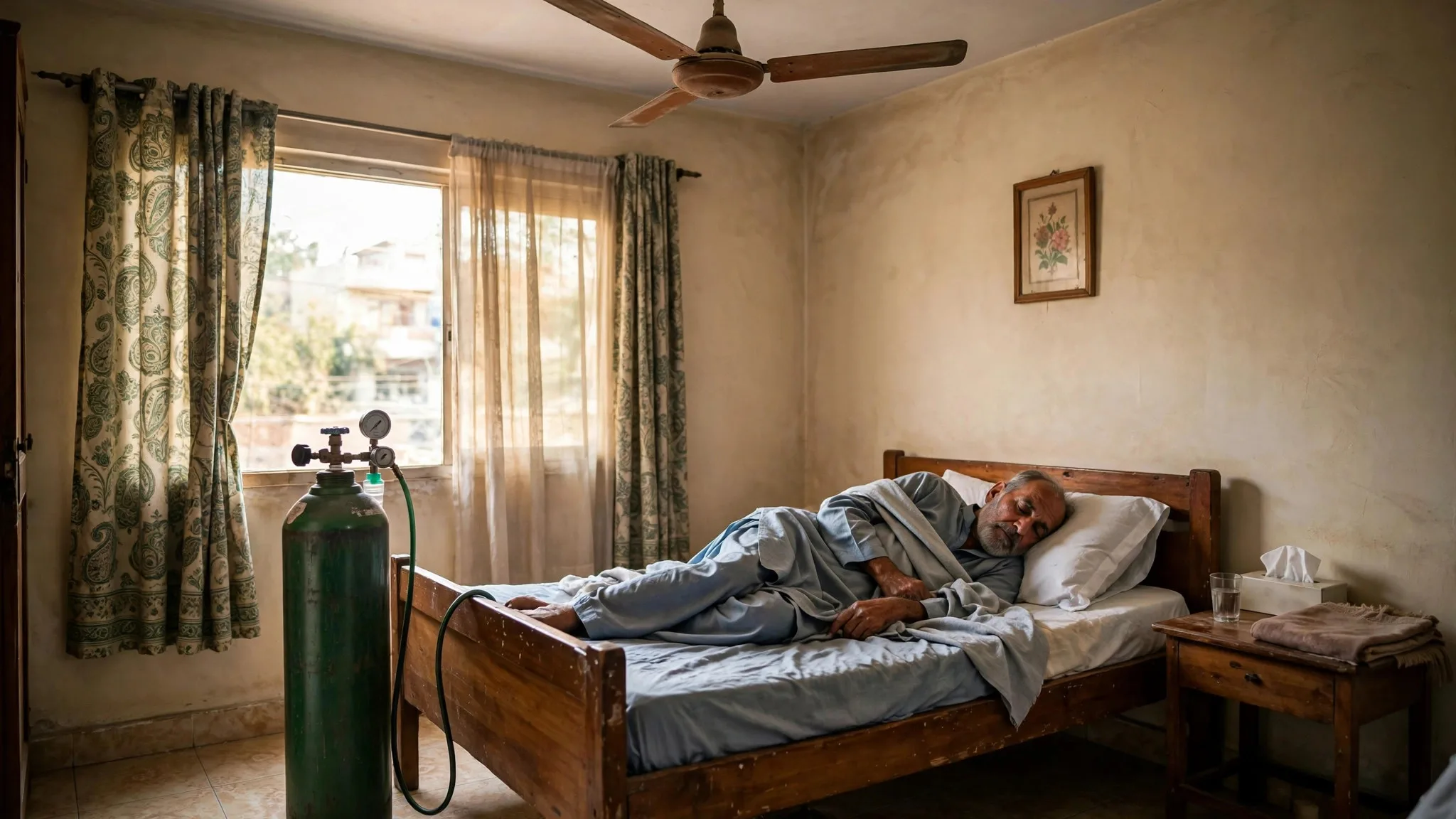
An oxygen cylinder stores a fixed amount of oxygen under pressure. You open the valve. Then set the flow rate on the regulator, often 1 to 5 liters per minute. The patient breathes through a nasal cannula or mask. When the gauge runs low, you call for a refill or a replacement tank.
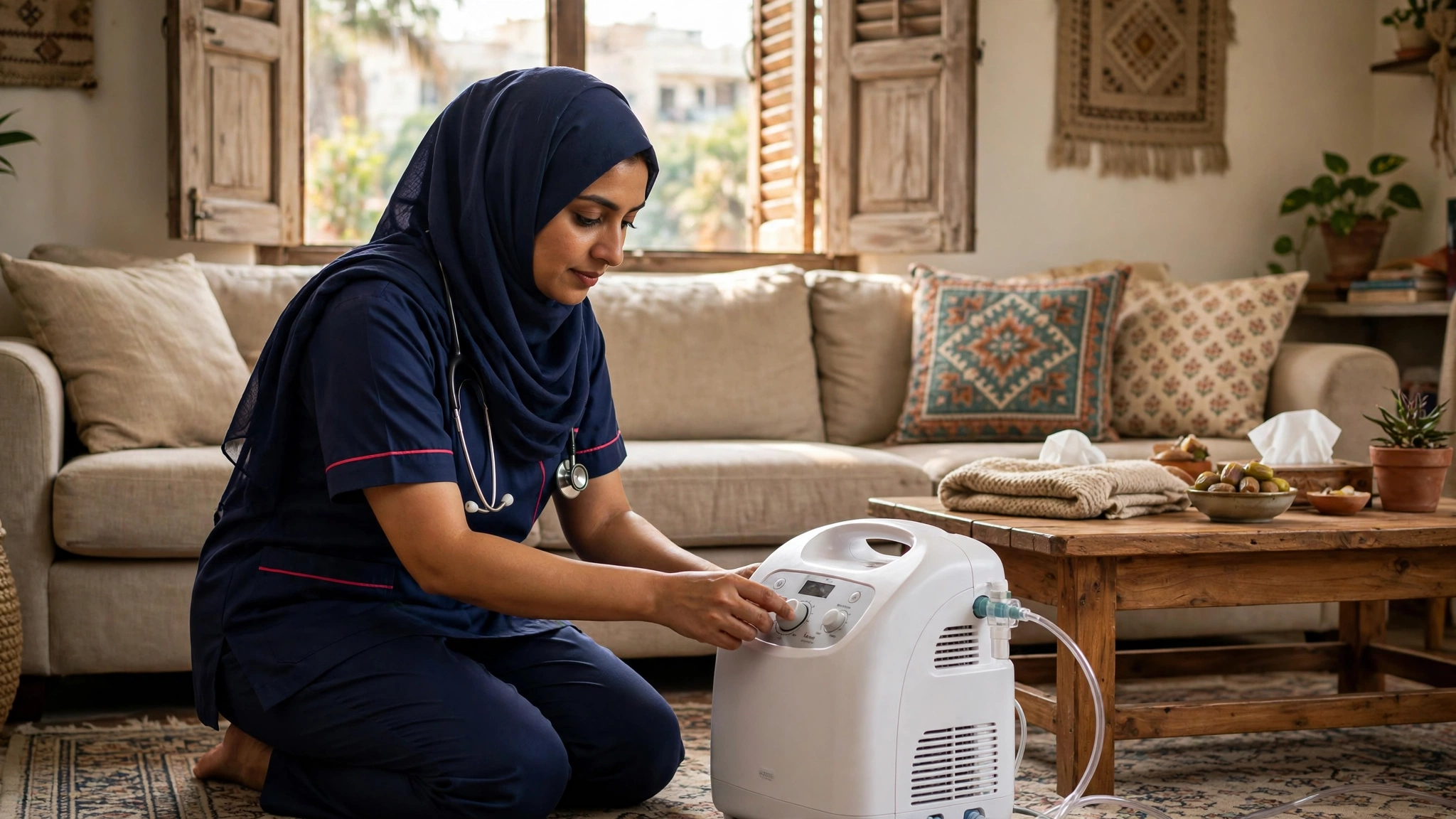
The machine plugs into the wall. It filters nitrogen out of room air. It delivers 90 to 95 percent pure oxygen as long as it has power. There is nothing to refill, ever. Most home models deliver up to 5 liters per minute, and some go to 10.
Oxygen Cylinder vs Concentrator: The Honest Comparison
Here is how they compare on the points that matter to a family:
- Duration of use: For therapy needed a few hours a day or for a few weeks, a cylinder is simple and practical. For months of daily use, it wins easily.
- Power cuts: This is Karachi’s big question. A tank works with zero electricity, which makes it the safer choice during load shedding. It stops without power, so you need a UPS or a backup cylinder alongside it.
- Running effort: Tanks need refills, which means coordinating deliveries, sometimes urgently at night. They just need electricity and occasional filter cleaning.
- Portability: Small tanks can travel in a car for clinic visits. They are heavier, though portable models exist for those who can manage them.
- Flow needs: If the doctor prescribed more than 5 liters per minute continuously, confirm carefully. Standard home models may not reach that flow, so tanks or a high-flow setup may be needed.
- Noise: They hum while running, which bothers some light sleepers. Cylinders are silent.
Oxygen cylinder vs concentrator at a glance
| Feature | Oxygen cylinder | Oxygen concentrator |
|---|---|---|
| Needs electricity | No | Yes, continuous supply |
| Refills needed | Yes, when empty | Never |
| Works during power cuts | Yes | No, unless on UPS |
| Noise | Silent | Light humming sound |
| Portability | High, small sizes travel easily | Low, mostly fixed at bedside |
| Best for | Short-term use or backup | Long-term daily therapy |
Many families end up with both: a concentrator for daily use and a small tank as backup for power cuts. Your doctor’s prescription for flow rate and hours per day is the final guide.
What Karachi Families Should Know About Power Cuts
Let us be direct, because this decides the matter for many homes. If your area faces long or unpredictable load shedding, think carefully. Without a UPS or generator to run it, a cylinder is the safer primary option. A patient who depends on oxygen cannot wait for the light to return.
If you do have reliable backup power, it becomes wonderfully convenient. There are no refill calls. There are no heavy cylinders to move. You get steady oxygen. Discuss your home’s power situation honestly with both your doctor and your equipment provider before deciding.
Safety Rules for Both Options
Oxygen makes fire burn faster, so the same safety rules apply to cylinders and concentrators:
- No smoking anywhere near the patient
- Keep the equipment away from stoves, heaters, and open flames
- Never use oil-based lotions or petroleum jelly on the patient’s face while on oxygen
- Keep the cannula clean and check the flow rate as prescribed
- Keep a pulse oximeter handy to monitor oxygen levels
Store tanks upright and secured so they cannot fall. Clean its filter as instructed, often weekly. If the patient seems more breathless despite the oxygen, call the doctor promptly.
Renting in Karachi: What to Ask
Most families rent rather than buy, since oxygen needs often change. When arranging a rental, ask these questions:
- Is delivery and setup included?
- Who do I call for an urgent refill or a machine problem?
- Is a backup cylinder available with the rental?
- How are the regulator, cannula, and other accessories handled?
Elijah Health Care Services provides both options on rent across Karachi. We offer home delivery and guidance on safe use. Call 0346 2371014 or message us on WhatsApp to discuss which suits your patient’s prescription. You can also book an appointment for detailed advice.
Frequently Asked Questions
Which is better for COPD patients at home?
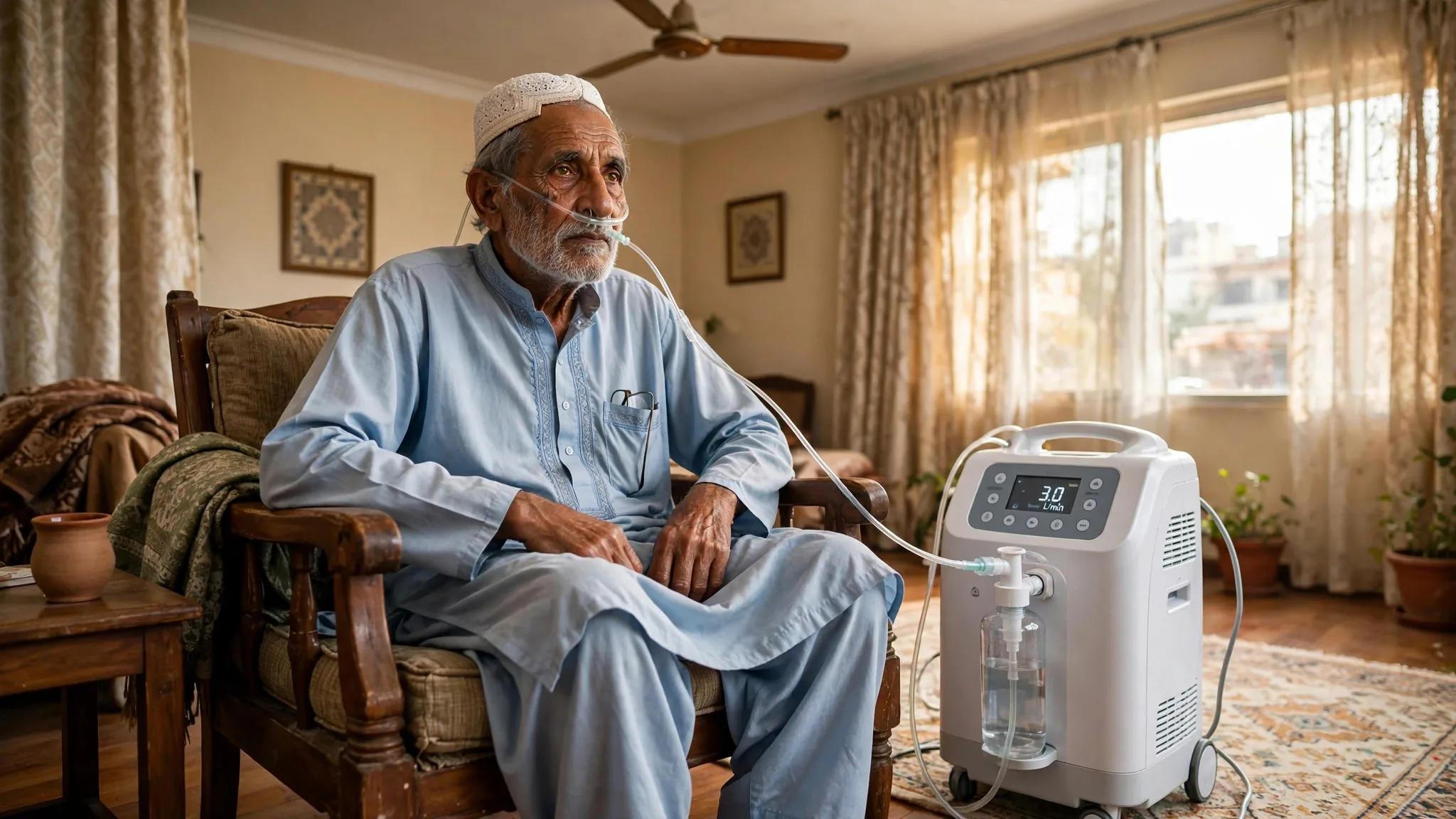
It depends on the prescription. Many COPD patients on long-term, low-flow oxygen do well with one. They keep a backup cylinder for power cuts. Always follow the flow rate your doctor prescribed.
How long does an oxygen cylinder last?
It depends on the cylinder size and the flow rate. At 2 liters per minute, a standard large cylinder can last many hours. A small portable one lasts much less. Your provider can estimate based on the exact size.
Can a concentrator run on a UPS during load shedding?
Yes, if the UPS has enough capacity for the concentrator’s wattage. Check the power rating and confirm with your UPS specifications. A backup cylinder remains the simplest safety net.
Is it safe to keep an oxygen tank at home?
Yes, when basic rules are followed. Keep it upright and secured, away from heat and flames. Never smoke nearby. Millions of households use tanks safely with these precautions.
Do I need a prescription for home oxygen?
Yes. Oxygen is a medical therapy, and the flow rate and duration must come from a doctor. Never start or adjust home oxygen on your own judgment.
The Right Choice Is the Safe Choice
There is no single winner in the oxygen cylinder vs concentrator debate. There is only the right fit for your patient’s needs and your home’s realities. Match the choice to the doctor’s prescription. Plan honestly for power cuts. Keep safety rules front and center. If you need help deciding or want to rent either option in Karachi, call 0346 2371014 or WhatsApp us today.
Please note: this article shares general information only. Home oxygen therapy must follow your doctor’s prescription and advice.