
When the doctor first says “BiPAP,” most families hear a strange word and picture a complicated hospital machine. In reality, a BiPAP is a bedside device that gently helps the patient breathe. Thousands of families in Karachi use one at home every night. This beginner’s guide explains how to use BiPAP machine at home. It covers setting it up, fitting the mask, cleaning it, and avoiding the common mistakes new users make.
In short: to use a BiPAP machine at home, place the machine on a stable surface near the bed. Fill the humidifier chamber with distilled water. Connect the tube and mask. Fit the mask snugly but comfortably before switching the machine on. Breathe normally and let the machine match your rhythm. Clean the mask daily and the tube weekly. The most common beginner mistakes are a loose mask, skipping cleaning, and changing pressure settings without the doctor. Never adjust prescribed pressures on your own.
What a BiPAP Machine Does
BiPAP stands for Bilevel Positive Airway Pressure. In simple words, the machine blows air through a mask at two pressure levels: a higher pressure when you breathe in, and a lower one when you breathe out. This support helps patients with sleep apnea, COPD, and certain heart or lung conditions breathe easily.
How to Use BiPAP Machine at Home: Setup Step by Step
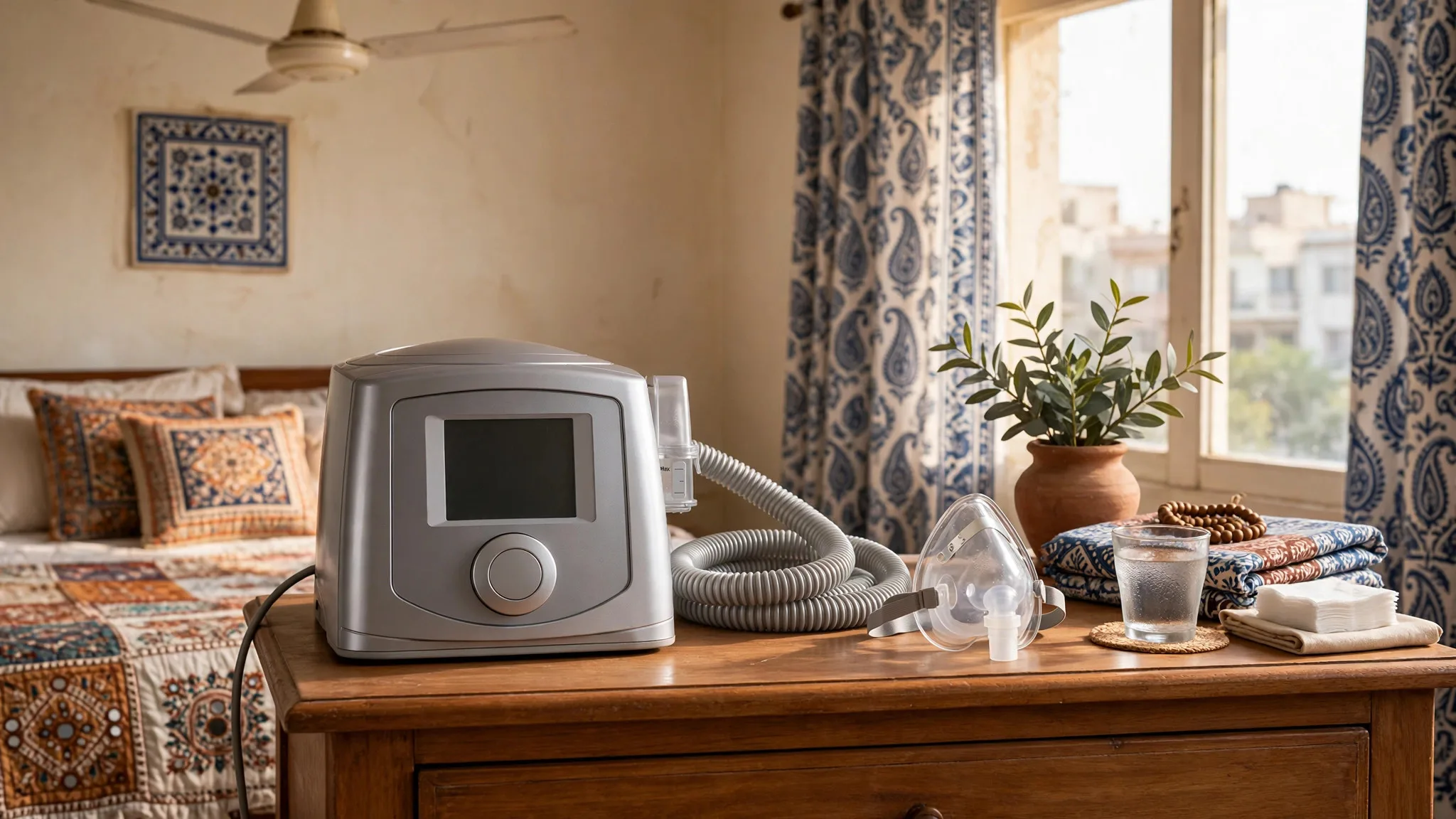
- 1. Position the machine on a stable bedside table, below head level if possible, so any moisture in the tube drains away from the mask. Keep it away from the bed edge where it could fall.
- 2. Fill the humidifier with distilled water up to the marked line, if your machine has one. Do not overfill, and do not use tap water regularly, as minerals damage the chamber.
- 3. Connect the tube firmly to the machine on one end and the mask on the other. Check for cracks or holes in the tube.
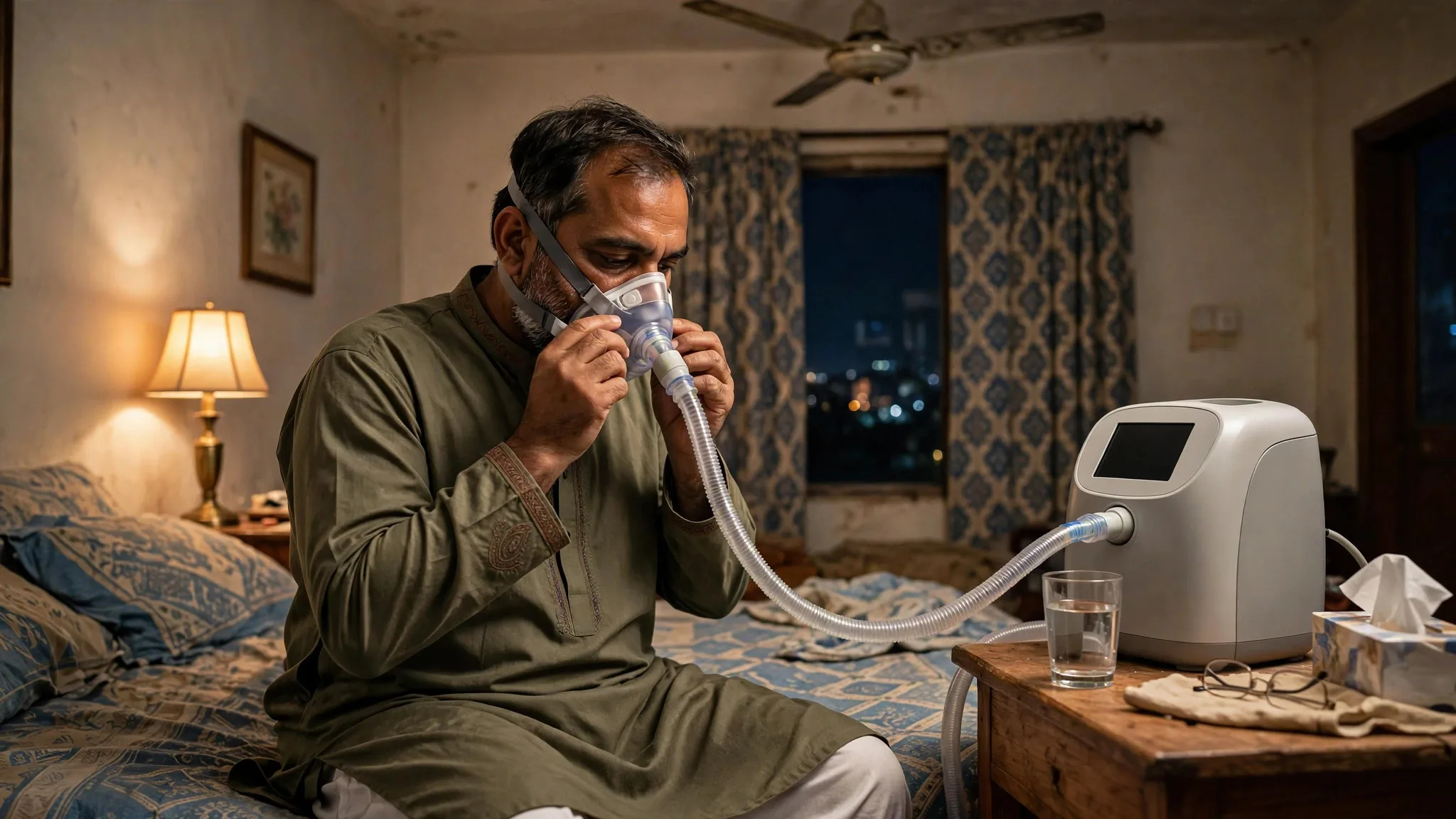
- 4. Fit the mask before switching on. Sit up, hold the mask over your nose (or nose and mouth, depending on type), and adjust the straps so it seals without pressing hard. You should be able to fit one finger under the straps.
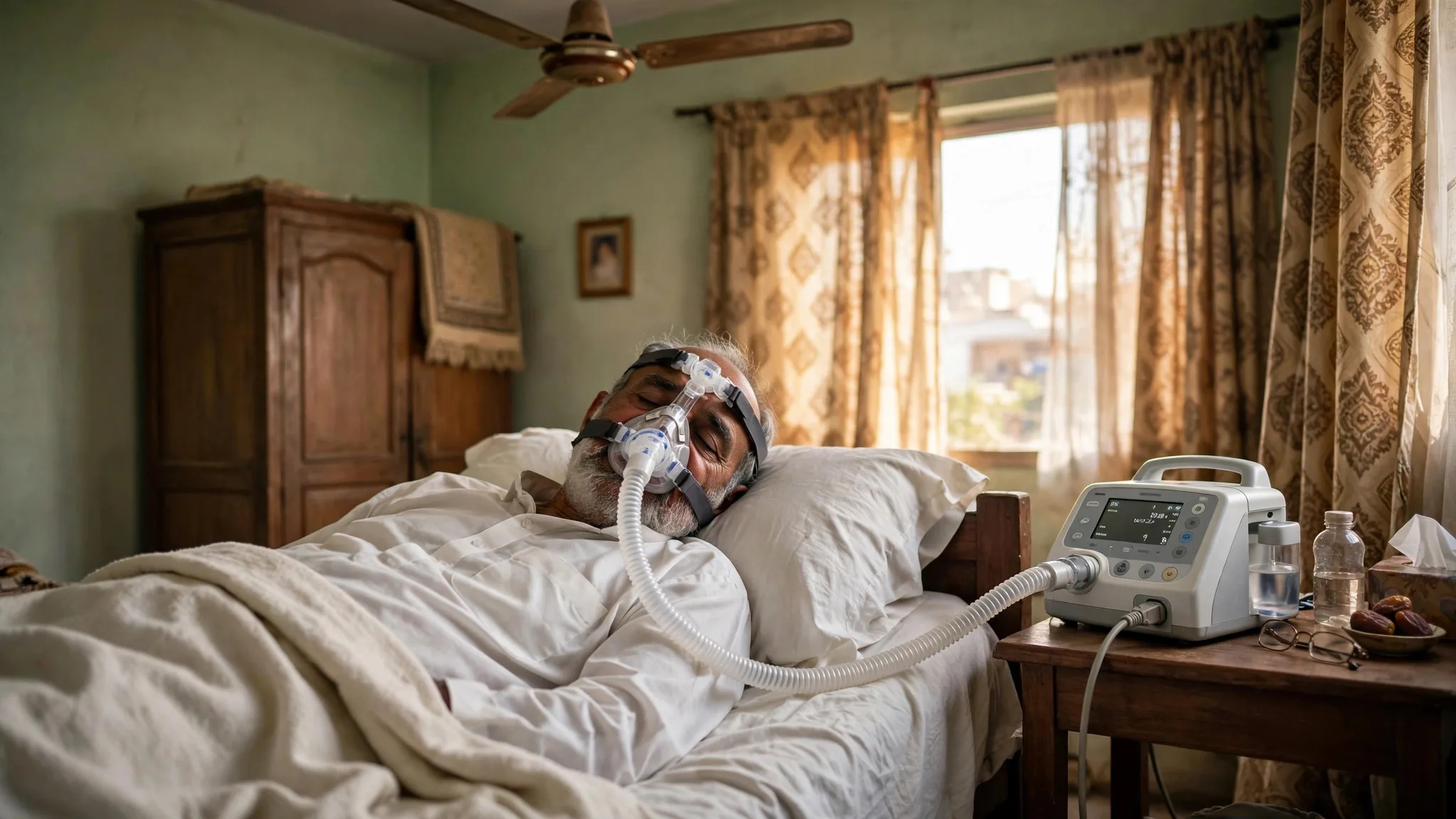
- 5. Switch on and settle back. Lie down, breathe normally through your nose, and let the machine find your rhythm. Most machines have a “ramp” feature that starts gently and builds up, use it while adjusting.
- 6. In the morning, switch off, remove the mask, empty leftover humidifier water, and wipe the mask.
Getting the Mask Fit Right
Mask fit is where most beginners struggle. Too loose, and air leaks out with an annoying hiss. Too tight, and you wake up with red marks.
Try the mask while sitting up first, then lie down, because your face shape shifts slightly. If leaks persist, try a different cushion size before tightening further. If soreness continues after a few nights, ask your provider about a different mask style. Nasal, full-face, and pillow options all exist, and the right one makes all the difference.
Cleaning: The Non-Negotiable Routine
- Daily: Wash the mask cushion with mild soap and warm water, rinse well, and air dry away from sunlight.
- Weekly: Wash the tube in warm soapy water, rinse, and hang to dry fully. Clean the humidifier chamber.
- Monthly: Check the air filter. If it looks grey or dusty, replace it.
Common Beginner Mistakes to Avoid
- Changing pressure settings: Never adjust the prescribed pressures because breathing “feels different.” Call the doctor if something feels wrong.
- Skipping nights: BiPAP only helps with consistent use. Missing nights, especially early on, resets your adjustment.
- Giving up too soon: The first week feels strange for almost everyone. Most users adjust within two to three weeks.
- Ignoring dryness or congestion: These are usually fixed with the humidifier setting or a heated tube. Ask your provider.
- Letting the water chamber run dry: Refill it nightly with distilled water.
BiPAP quick troubleshooting
| Problem | Likely cause | What to do |
|---|---|---|
| Air leaking from the mask | Loose straps or wrong cushion size | Adjust straps, try a different cushion size before tightening |
| Dry nose or mouth | Low humidity | Raise the humidifier setting, refill with distilled water |
| Machine sounds noisy | Loose connection, cracked tube, or dirty filter | Check connections, tube, and filter |
| Red marks on the face | Mask too tight | Loosen straps slightly, consider another mask style |
Power Cuts: Be Prepared
Karachi’s power cuts are a real concern for BiPAP users. The machine stops without electricity, so talk to your doctor about what to do during outages. Keep the machine on a UPS if outages are brief and frequent in your area, and keep your provider’s number handy.
Support for BiPAP Users in Karachi
Starting BiPAP is easier with guidance. Elijah helps families with machine setup at home and mask fitting advice. If the patient also needs nighttime monitoring, our trained male nurses and female nurses at home can help.
To arrange a machine or get setup help, call 0346 2371014, message WhatsApp, or book an appointment online.
Frequently Asked Questions
How many hours a night should the BiPAP be used?
Follow your doctor’s advice, usually the whole sleep period. Part-night use gives part-night benefit. If you keep removing the mask unconsciously, tell your provider, the fit or pressure may need adjusting.
Can I use tap water in the humidifier?
Distilled water is recommended because tap water leaves mineral deposits that damage the chamber and can affect hygiene. In a pinch for a night or two it will not ruin anything, but make distilled water the routine.
What if the machine is too noisy?
Modern BiPAP machines are very quiet. New or loud noise usually means a loose connection, a cracked tube, or a dirty filter. Check these first. If noise persists, call your equipment provider, do not open the machine yourself.
Can children or elderly patients use BiPAP safely?
Yes, when prescribed and set up correctly, with masks sized for the patient. Elderly users often need a family member’s help with fitting and cleaning at first. Supervision matters more than age.
When should I call the doctor about BiPAP?
Call if breathing still feels difficult with the machine. Also call for chest pain, severe dryness or nosebleeds that do not resolve, or if the machine’s readings or alarms suggest a problem. Never change pressures yourself while waiting.
Final Thoughts
Learning how to use BiPAP machine at home takes a little patience, but the payoff is real: quieter nights, better sleep, and easier breathing for the patient, and peace of mind for the whole family. Set it up correctly, keep it clean, wear the mask every night, and lean on your provider and doctor whenever something feels off. Better breathing is worth the first awkward week.
Note: This guide shares general information for families. BiPAP pressure settings and treatment decisions must come from your doctor. Always consult the treating doctor for medical decisions.