
Many families in Karachi face the challenge of finding trustworthy, skilled female nurses who can provide compassionate home care for elderly parents, post‑operative patients, or loved ones with chronic conditions. The right nurse not only delivers medical support but also brings peace of mind to the entire household. This guide walks you through every step—from understanding your needs to evaluating agencies—so you can confidently select a female nurse for home care in Karachi who meets your standards.
Key Takeaways
- Identify the specific medical and personal care tasks you need assistance with.
- Verify nursing credentials, licensure, and relevant experience before hiring.
- Ask targeted interview questions about emergency handling, communication, and cultural sensitivity.
- Compare at least three reputable agencies, reviewing services, pricing, and client feedback.
- Prepare a safe, comfortable space at home and clarify contractual terms upfront.
Understanding the Need for Female Nurse Home Care in Karachi
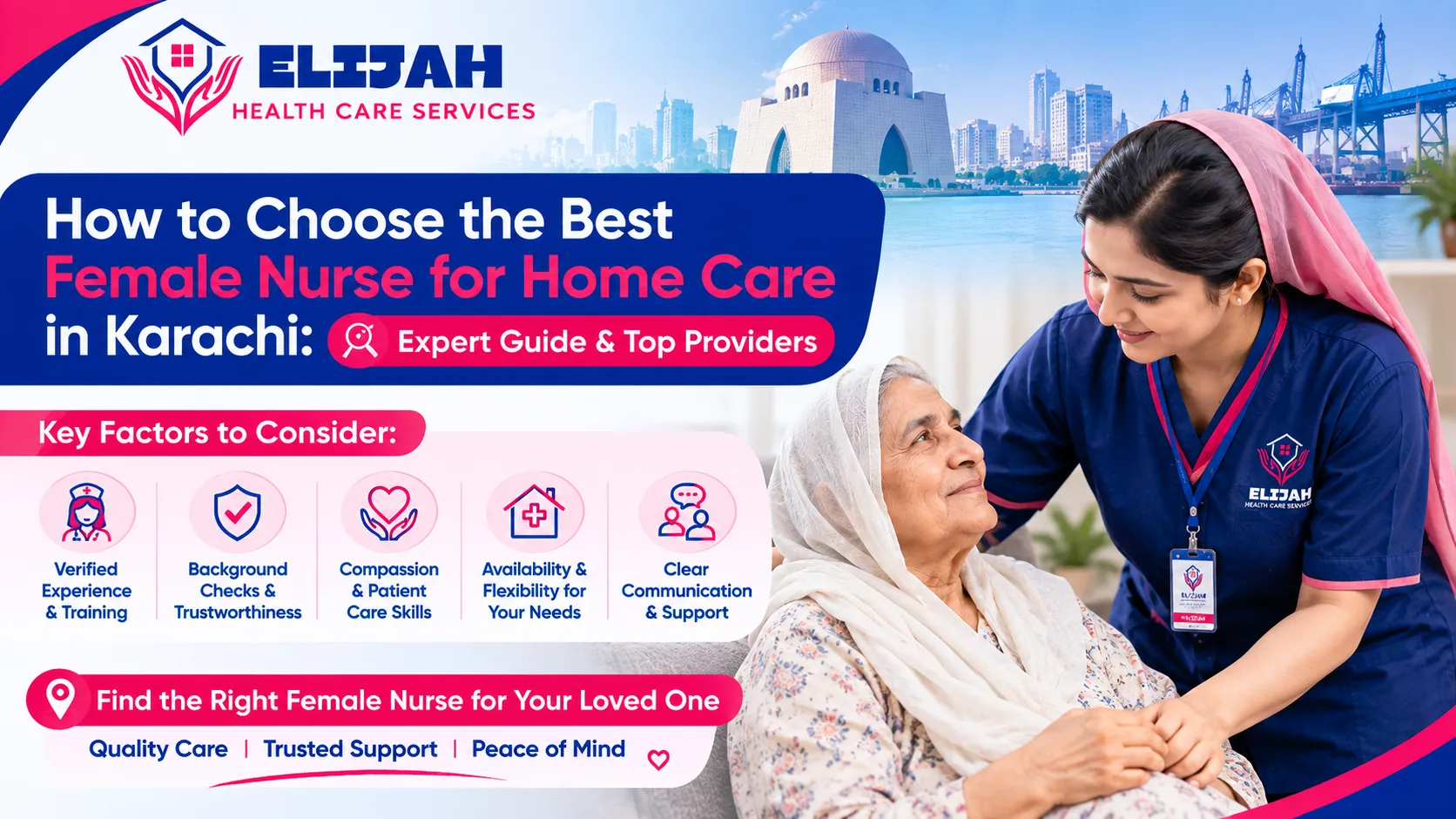
Karachi’s growing elderly population and the rise in chronic illnesses have increased demand for personalized home nursing services. Families often prefer a female nurse for home care in Karachi because of cultural comfort, especially when caring for female patients or addressing sensitive hygiene tasks. Recognizing the exact scope of care required helps narrow down candidates and avoid mismatched expectations.
Benefits of Hiring a Female Nurse for Home Care
A qualified female nurse brings clinical expertise directly to the patient’s residence, reducing hospital readmissions and travel stress. She can monitor vital signs, administer medications, wound care, and provide physiotherapy assistance under a doctor’s plan. Beyond medical duties, she offers companionship, encourages adherence to treatment plans, and alerts family members to any changes in condition.
Common Scenarios Requiring Female Nurse Assistance
Typical situations include post‑surgical recovery, diabetes management, palliative care for cancer patients, and support for individuals with mobility limitations after a stroke. New mothers sometimes seek a female nurse for postnatal care and breastfeeding guidance. In each case, the nurse tailors her approach to the patient’s diagnosis, preferences, and home environment.
How to Select the Right Female Nurse for Home Care in Karachi
Choosing a caregiver involves more than checking a resume; it requires assessing compatibility, reliability, and professionalism. A systematic approach minimizes risk and ensures the nurse integrates smoothly into your household routine.
Credentials and Qualifications to Verify
Confirm that the nurse holds a valid nursing diploma or degree from a recognized institution and is registered with the Pakistan Nursing Council. Ask for proof of any specialized certifications such as IV therapy, catheter care, or geriatric nursing. Experience with similar cases—like dementia care or tracheostomy management—adds valuable confidence.
Interview Questions to Ask
Prepare questions that reveal both technical ability and interpersonal skills. Examples include: “How do you handle a sudden drop in blood pressure?” “Can you describe a time you calmed an anxious patient?” and “What steps do you take to maintain hygiene while providing personal care?” Listen for clear, confident answers that demonstrate problem‑solving and empathy.
Checking References and Background
Request at least two professional references from former employers or clients. Contact them to inquire about punctuality, adherence to care plans, and any incidents of concern. Additionally, consider a basic background check through reputable agencies to verify identity and criminal record, especially if the nurse will be alone with vulnerable family members.
Top 5 Female Nurse Home Care Agencies in Karachi
Below is a curated list of five well‑known agencies that provide female nurses for home care in Karachi. Information is based on publicly available service descriptions, client testimonials, and typical rate ranges; always confirm details directly with the provider.
- Care24 Home Nursing Services
Features: 24/7 availability, registered nurses with BSc Nursing, specialized training in postoperative and diabetic care.
Pros: Transparent pricing, quick replacement policy, multilingual staff.
Cons: Premium rates for night shifts.
Typical Rate: PKR 1,200–1,500 per shift (8 hours). - Aga Khan University Hospital – Home Care Unit
Features: Hospital‑backed clinical protocols, access to specialist consultations, nurses with AKUH credentials.
Pros: High clinical standards, seamless coordination with hospital.
Cons: Limited availability outside core Karachi areas.
Typical Rate: PKR 1,400–1,800 per shift. - Sehat ka Ghar Nursing Bureau
Features: Female‑only nursing team, flexible hourly packages, wellness check‑in calls.
Pros: Culturally sensitive approach, affordable weekday rates.
Cons: Fewer ICU‑trained nurses on roster.
Typical Rate: PKR 1,000–1,300 per shift. - Lifeline Hospital Home Health
Features: Comprehensive care plans, physiotherapy integration, regular nurse supervision visits.
Pros: Holistic care model, strong follow‑up system.
Cons: Requires minimum 4‑hour booking.
Typical Rate: PKR 1,250–1,600 per shift. - Shifa Home Health Services
Features: Specialized maternal and postnatal nursing, lactation support, newborn care.
Pros: Expertise in mother‑baby care, gentle demeanor.
Cons: Limited slots for long‑term elderly care.
Typical Rate: PKR 1,100–1,400 per shift.
Cost Considerations and Insurance
Understanding the financial aspect helps families plan sustainably while ensuring quality care is not compromised.
Average Rates for Female Nurse Home Care in Karachi
Rates vary based on shift length, nurse qualifications, and time of day. A standard eight‑hour day shift typically ranges from PKR 1,000 to PKR 1,800. Night shifts or 12‑hour blocks may incur a 20‑30 % premium. Agencies often offer monthly packages that reduce the effective hourly rate by 10‑15 % for commitments of 30 hours or more per week.
Payment Options and Packages
Most providers accept cash, bank transfer, and mobile wallet payments. Some accept health insurance reimbursements if the policy covers domiciliary nursing. It is advisable to request a detailed invoice that breaks down base fee, overtime, and any supplemental charges for supplies like dressings or catheters.
Legal and Ethical Considerations
Protecting both the patient and the caregiver requires clear agreements and adherence to professional standards.
Employment Contracts and Rights
Whether you hire directly or through an agency, a written contract should outline scope of work, schedule, remuneration, leave entitlements, and termination notice. Clarify who bears responsibility for taxes, social security contributions, and work‑related insurance. This prevents misunderstandings and ensures compliance with Pakistani labor regulations.
Patient Privacy and Consent
The nurse must respect the patient’s confidentiality and obtain informed consent before performing any procedure. Discuss privacy preferences—such as who may be present during personal care—and document them in the care plan. Any breach of confidentiality should be addressed promptly through the agency’s grievance mechanism.
Preparing Your Home for a Female Nurse
A safe, organized environment enables the nurse to perform duties efficiently and reduces accident risks.
Setting Up a Care Space
Designate a clean, well‑ventilated room or corner where the nurse can store equipment, change dressings, and monitor the patient. Ensure easy access to a power outlet for devices like nebulizers or suction machines. Keep a telephone or emergency call button within reach.
Equipment and Supplies Needed
Basic supplies include disposable gloves, alcohol swabs, gauze, adhesive tape, and a blood pressure monitor. Depending on the patient’s condition, you may need a nebulizer, oxygen concentrator, or urinary catheter kit. Confirm with the nurse which items she will bring and which you should provide.
After selecting a qualified female nurse for home care in Karachi, maintaining open communication and periodic reviews will help sustain high‑quality care. Schedule brief check‑ins every two weeks to discuss any adjustments to the care plan, address concerns, and celebrate improvements in the patient’s well‑being.
Ready to Find the Perfect Female Nurse for Home Care in Karachi?
Contact one of the trusted agencies listed above or fill out our short form to receive personalized recommendations.
What qualifications should I look for in a female nurse for home care in Karachi?
Look for a nursing diploma or degree from a recognized institution, valid registration with the Pakistan Nursing Council, and any relevant certifications such as IV therapy, wound care, or geriatric nursing. Experience with similar cases—like postoperative recovery or chronic disease management—adds valuable assurance.
How much does it typically cost to hire a female nurse for home care in Karachi?
Rates generally range from PKR 1,000 to PKR 1,800 per eight‑hour shift, depending on the nurse’s qualifications, shift timing, and agency. Night shifts or specialized care may cost more, while monthly packages can lower the effective hourly rate.
Are female nurses from agencies insured and bonded?
Reputable agencies usually provide liability insurance and conduct background checks on their nurses. Always ask for proof of insurance coverage and inquire about the agency’s policy on replacement or compensation in case of incidents.
Yes. Clearly define the nurse’s duties, schedule, pay rate, overtime terms, leave entitlements, and notice period for termination. Include clauses about confidentiality, responsibility for taxes or social security, and procedures for handling emergencies or disputes.
How can I ensure the nurse respects my family’s cultural and privacy preferences?
Discuss cultural considerations—such as gender preferences for certain tasks, dietary restrictions, or prayer times—during the interview. Include these preferences in the written care plan and revisit them regularly to ensure ongoing compliance.