
When a loved one needs nursing care at home, Pakistani families often ask one question first. Should we choose a male vs female nurse at home? It is a sensitive choice, and many families feel shy discussing it openly. There is no single right answer. What matters most is your patient’s comfort. Also consider the type of medical care needed, and your family’s values. This guide will help you think it through calmly and decide with confidence.
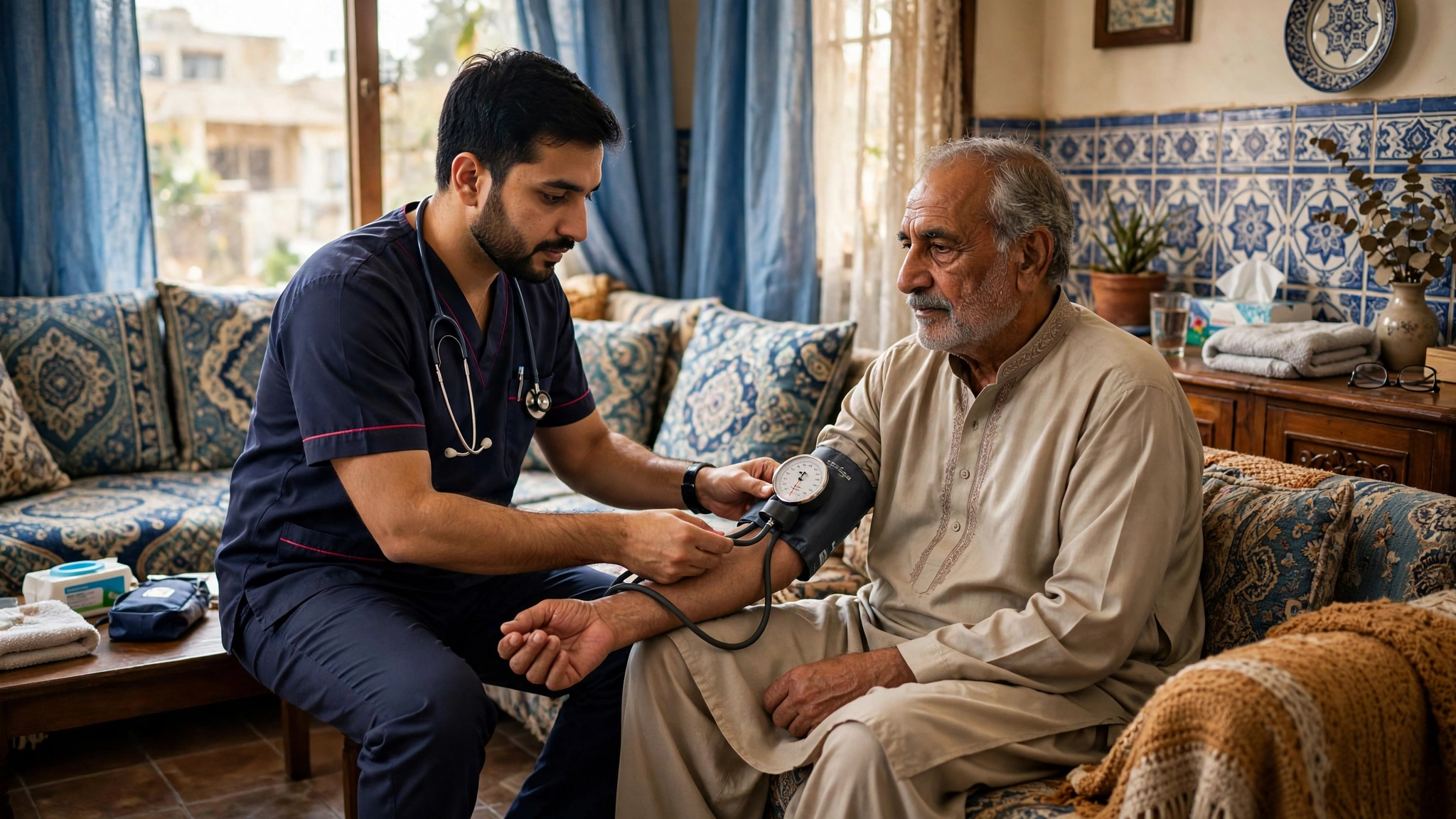
In short: deciding between a male vs female nurse at home comes down to three things. First, the patient’s personal comfort and any cultural or religious choices. Second, the clinical tasks required, such as injections or wound dressing. Third, your family’s daily routine. Both are trained professionals.
Why This Choice Feels Difficult
In Pakistan, nursing care at home often involves very personal tasks. A nurse may need to help the patient bathe, change clothes, or use the bathroom. For many families, these moments raise real questions about modesty and comfort. Feeling unsure does not mean you are being difficult. It means you care about your loved one’s dignity. That is exactly the right instinct.
The good news is that home nursing agencies deal with this question every single day. A professional team will ask about your choice before assigning anyone.
Cultural and Religious Comfort Come First
For many families, the deciding factor is simple. The patient feels more at ease with a nurse of a particular gender. An elderly mother may prefer a female nurse at home for personal care. An elderly father may feel more comfortable with a male nurse in Karachi for the same reason. Religious observance matters too, and a good agency respects it without question.
Talk to the patient directly if you can. Sometimes families assume a choice that the patient does not actually hold. A short, gentle conversation can prevent weeks of awkwardness.
Male vs Female Nurse at Home: Match the Nurse to the Task
Beyond comfort, think about what the nurse will actually do each day. Different situations lean different ways:
- Heavy patients and mobility support: If the patient needs frequent lifting, turning in bed, or support while walking, many families prefer a male nurse. This is practical, not personal.
- Post-surgery wound care and injections: Both male and female nurses are fully trained for clinical tasks like IV drips, injections, and elderly care support. Skill level does not depend on gender.
- Mother and newborn care: Families almost always prefer a female nurse or caregiver here, for obvious reasons of comfort and privacy.
- Dementia or confused patients: Sometimes a patient responds better to one gender because of past associations. Observe and adjust.
- Companionship for seniors: Elderly patients living alone often bond faster with a nurse they can chat with easily, and that bond matters for recovery.
Common Situations Families Face
An elderly father after a stroke: He needs help bathing, exercises for his weak side, and someone alert at night. Most families here choose a male nurse, and the patient usually accepts help more willingly.
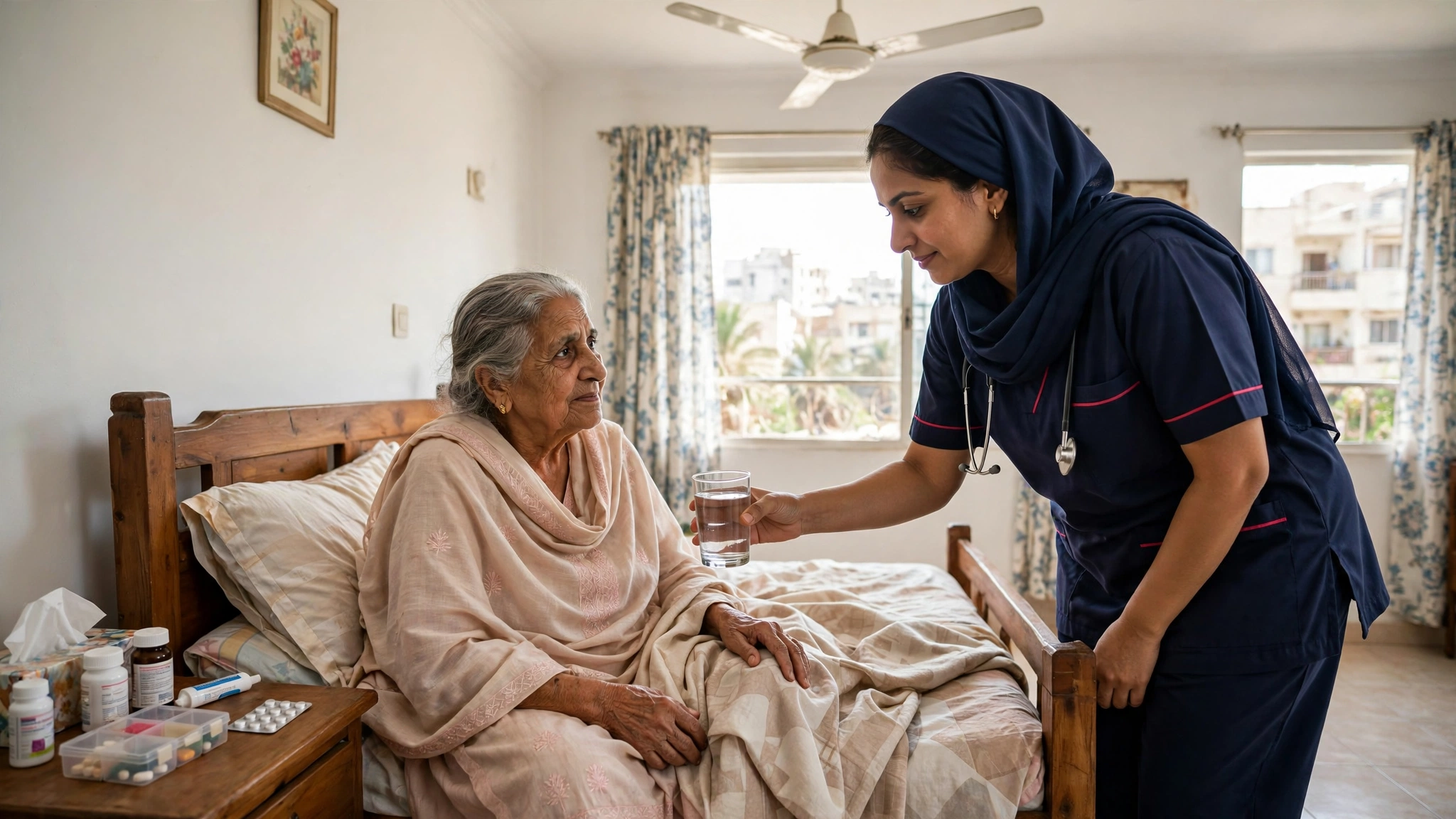
A mother recovering from knee surgery: She needs wound checks, pain injections, and physiotherapy support. A female nurse is the natural choice. Many daughters feel relieved knowing another woman is handling personal care.
A young working couple with a newborn: They need night support and feeding guidance. A female nurse or trained caregiver fits best.
Male vs female nurse at home: quick choice helper
| Situation | Suggested choice |
|---|---|
| Personal or bathing care for an elderly mother | Female nurse |
| Heavy patient needing frequent lifting or turning | Male nurse |
| Mother and newborn care | Female nurse or caregiver |
| Wound care, injections, IV drips | Either, skill level is equal |
| Night companionship for a senior living alone | Whichever the patient prefers |
| Dementia patient with strong reactions | Observe first, then adjust |
What About Night Shifts and 24-Hour Care?
For 12-hour night shifts or 24-hour care, families often think harder about this choice. The nurse will be alone with the patient for long hours. Our advice stays the same: patient comfort first, then practical matters like who else is home at night.
How to Book the Right Nurse with Elijah
At Elijah Health Care Services, you simply tell our team your choice. Choose male nurse, female nurse, or no choice. Also share the patient’s condition. We match a trained nurse to your case and your comfort. If the fit does not feel right in the first days, tell us. We will arrange a replacement. Your family’s peace of mind is the whole point of home nursing.
To book, call 0346 2371014, message us on WhatsApp, or book an appointment online. We serve all areas of Karachi, including DHA, Clifton, Gulshan, and Bahria Town.
Frequently Asked Questions
Do male and female nurses have the same training?
Yes. Nursing training, registration, and clinical skills are the same regardless of gender. The difference families notice is only about personal comfort and physical tasks like lifting, not about medical competence.
Can we change the nurse if the patient feels uncomfortable?
Absolutely. Comfort is essential for recovery. If the patient feels shy or uneasy after a day or two, call your team. Request a change. A professional agency will handle it smoothly, with no awkwardness.
Is a female nurse able to handle a heavy male patient?
Female nurses are trained in safe patient handling. But for patients who need frequent lifting or turning, many families still prefer a male nurse. They choose this for practical reasons. Be honest about the patient’s weight and mobility when you book, so the team assigns the right person.
Can we have a male nurse for the day and a female nurse at night?
Yes, mixed shifts are possible and quite common. Some families prefer a male nurse for daytime therapy and mobility work. They choose a female nurse or attendant at night. Just discuss the schedule when you book.
Should we tell the agency our choice in advance?
Please do. Mentioning your choice at the time of booking saves everyone time and avoids an uncomfortable first day. There is nothing embarrassing about it, coordinators hear this request every day.
Final Thoughts
Choosing a male vs female nurse at home is not a test with a right or wrong answer. It is a personal choice shaped by your patient’s comfort, cultural values, and medical needs. Talk openly with your family, ask the patient what they prefer, and choose the nurse who brings calm into your home. When the patient feels safe, healing follows more easily, and that is what truly matters.
Note: This article shares general guidance for families. For medical decisions about your loved one’s care, please consult their treating doctor.