
Imagine a loved one recovering from surgery, yet feeling isolated because professional help seems out of reach. An attendant for patient at home bridges that gap, delivering personalized support right where comfort matters most. This article explains how such care works, why it matters, and what steps you can take to secure reliable assistance.
Key Takeaways
- An attendant for patient at home provides medical, emotional, and daily‑living support tailored to individual needs.
- Professional home attendants reduce hospital readmissions and improve overall quality of life.
- Selecting the right caregiver involves checking credentials, compatibility, and clear communication of expectations.
- Costs vary, but many insurance plans and government programs offset expenses for qualified home care.
- Real‑world examples show how timely attendant intervention prevents complications and speeds recovery.
Roles and Responsibilities of a Home Patient Attendant
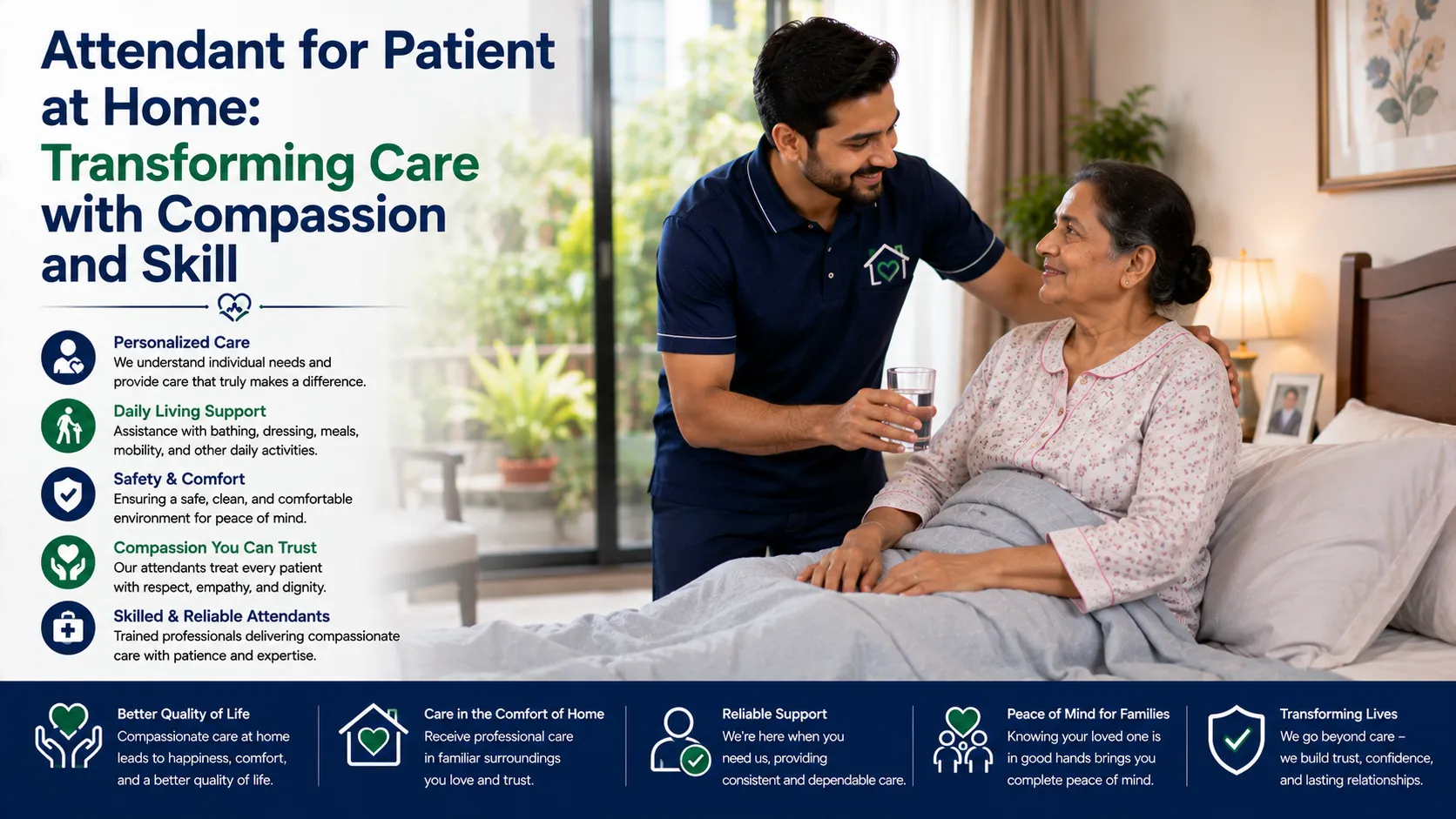
A home patient attendant performs a blend of clinical and non‑clinical tasks. They monitor vital signs, assist with medication administration, and help with wound care when needed. In addition, they support activities of daily living such as bathing, dressing, and meal preparation. Consequently, the attendant becomes a vital link between the patient, family, and healthcare providers.
Furthermore, attendants often provide companionship, which alleviates feelings of loneliness and depression. They observe changes in mood or physical condition and report them promptly to nurses or doctors. This proactive approach helps prevent minor issues from escalating into serious health concerns. As a result, patients experience safer, more comfortable recoveries within familiar surroundings.
Why Choosing an Attendant for Patient at Home Matters
Selecting an attendant for patient at home directly influences recovery speed and patient satisfaction. Studies indicate that individuals receiving consistent home care exhibit lower infection rates and shorter hospital stays. Moreover, families report reduced stress knowing a qualified professional is present. Therefore, investing time in finding the right attendant yields measurable health and emotional benefits.
In addition, a well‑matched attendant respects cultural preferences and personal routines, fostering trust and cooperation. This trust encourages patients to adhere to prescribed therapies and lifestyle modifications. Consequently, the overall care plan becomes more effective and sustainable over the long term.
Advantages of Professional Home Care Assistance
Professional home care assistance offers several distinct advantages over informal family caregiving. First, attendants receive specialized training in infection control, mobility support, and emergency response. Second, agencies typically conduct background checks and provide ongoing supervision, ensuring reliability and safety. As a result, families gain peace of mind knowing their loved one is in capable hands.
Furthermore, professional attendants can adapt care plans as the patient’s condition evolves. They coordinate with physiotherapists, dietitians, and physicians to deliver integrated services. Consequently, patients benefit from a holistic approach that addresses physical, nutritional, and psychological needs simultaneously.
Steps to Select a Qualified Home Care Attendant
Begin by assessing the specific needs of the patient, including medical requirements, mobility limitations, and personal preferences. Next, research reputable agencies that specialize in providing an attendant for patient at home, verifying their licensing and client reviews. In addition, request interviews with potential candidates to evaluate communication skills, empathy, and professionalism.
During the interview, ask about certifications such as Certified Nursing Assistant (CNA) or Home Health Aide (HHA) training. Verify references and conduct a background check for added security. Finally, establish a clear care schedule, outline duties, and set expectations for communication with the family and healthcare team.
Training and Qualifications Required
Most jurisdictions require attendants to complete a state‑approved training program covering basic nursing skills, patient safety, and ethical standards. Programs often include classroom instruction followed by supervised clinical practice. Upon completion, candidates may obtain certification such as CNA, HHA, or Personal Care Aide (PCA).
Furthermore, continuing education is essential to stay current with best practices in areas like dementia care, infection prevention, and assistive technology. Agencies that invest in ongoing staff development tend to deliver higher quality outcomes. Consequently, patients receive care that aligns with the latest clinical guidelines.
Cost Considerations and Insurance Options
The expense of hiring an attendant for patient at home varies based on geographic location, level of care, and agency rates. Hourly fees typically range from $20 to $40, while live‑in arrangements may involve a daily flat rate. Many long‑term care insurance policies, Medicare Advantage plans, and Medicaid waivers cover a portion of these costs when medically necessary.
In addition, some nonprofit organizations and community programs offer subsidies or sliding‑scale fees for eligible families. It is advisable to consult with a financial advisor or social worker to explore all available funding sources. As a result, families can secure quality care without undue financial strain.
Real‑Life Scenarios Illustrating Impact
Consider Mrs. Lopez, a 78‑year‑old recovering from hip replacement surgery. Her family hired an attendant for patient at home who assisted with physical therapy exercises, monitored swelling, and prepared nutritious meals. Within three weeks, Mrs. Lopez regained independent mobility and reported significantly less pain compared to peers who relied solely on family help.
In another case, Mr. Gupta, living with advanced Parkinson’s disease, experienced frequent falls before an attendant was engaged. The attendant implemented home safety modifications, provided cueing techniques for movement, and offered emotional support during challenging moments. Consequently, fall incidents decreased by 70% over six months, enhancing Mr. Gupta’s confidence and independence.
Frequently Asked Questions
What tasks can an attendant for patient at home legally perform?
An attendant can assist with activities of daily living, measure vital signs, remind patients to take medication, and support mobility exercises. They cannot administer injections or perform invasive procedures unless they hold additional licensure such as a Licensed Practical Nurse (LPN). State regulations define the exact scope, so always verify the attendant’s credentials against local laws.
How do I verify that an attendant is properly trained and background‑checked?
Request copies of certifications such as CNA or HHA, and ask the agency for proof of recent background checks. Reputable providers will also share references from previous clients. Additionally, you can check state licensing boards online to confirm that the attendant’s certification is active and in good standing.
What is the difference between a home health aide and a personal care attendant?
A home health aide (HHA) typically receives training to perform basic medical tasks like checking blood pressure and assisting with prescribed exercises under nurse supervision. A personal care attendant focuses more on non‑medical support such as bathing, grooming, and companionship. While there is overlap, HHAs often have a slightly broader clinical scope.
Can Medicare cover the cost of an attendant for patient at home?
Medicare Part A may cover short‑term home health care if the patient is homebound and requires skilled nursing or therapy services. However, Medicare generally does not pay for custodial care alone, such as help with bathing or dressing, unless it is part of a skilled care plan. Reviewing your specific Medicare plan or consulting a Medicare advisor will clarify eligibility.
Custom Call‑to‑Action
Ready to Find the Perfect Attendant for Patient at Home?
Click below to connect with vetted caregivers who meet your loved one’s needs.