
When aging parents begin to need daily assistance, families often search for someone who combines empathy with reliability. A Female Caretaker for Elderly individuals frequently becomes that trusted presence, offering not only physical help but also emotional comfort. This article explores why many households prefer a female caregiver and what qualities make the arrangement successful.
Beyond basic tasks such as bathing and medication reminders, a Female Caretaker for Elderly clients often serves as a companion who reduces loneliness and stimulates mental engagement. Understanding the nuances of this role helps families make informed decisions about in-home care options.
Key Takeaways
- A Female Caretaker for Elderly support provides both physical assistance and emotional companionship.
- Key qualities include patience, communication skills, and cultural sensitivity.
- Families benefit from reduced caregiver burnout when professional help is integrated.
- Clear contracts and regular check‑ins improve satisfaction for both parties.
- Training in dementia care and mobility assistance significantly raises service quality.
Why Families Choose a Female Caregiver for Senior Support
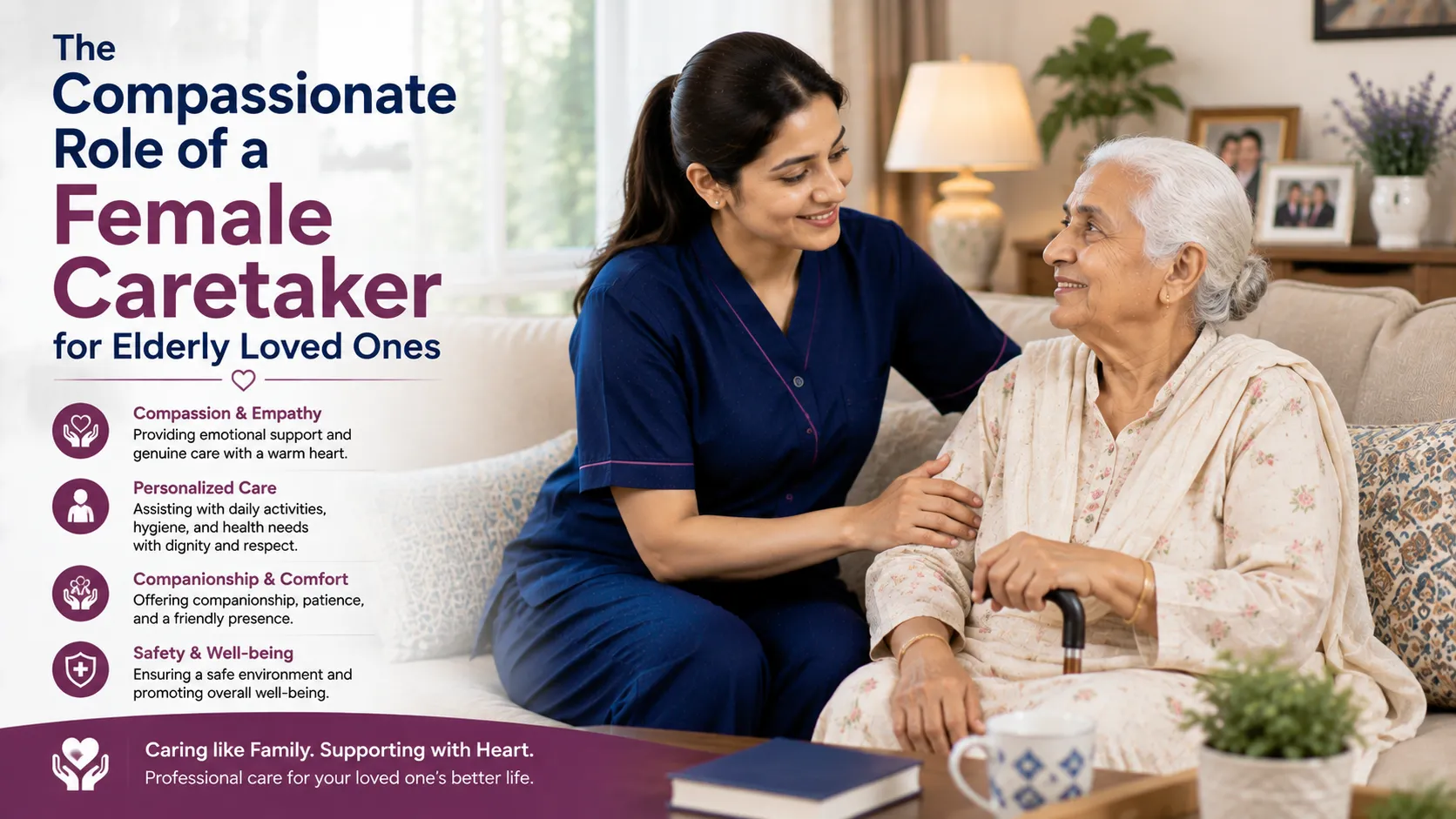
Many households report feeling more at ease when a Female Caretaker for Elderly professional enters the home. Studies suggest that clients often perceive women as more nurturing, which can ease anxiety during personal care routines. This perception does not diminish the capabilities of male caregivers but reflects a common preference shaped by social conditioning.
In addition, female caregivers frequently excel at multitasking—managing medication schedules while preparing light meals and engaging clients in conversation. Their ability to blend practical duties with social interaction creates a holistic care environment that promotes dignity and independence.
Core Responsibilities of a Female Caretaker for Elderly Clients
The daily routine of a Female Caretaker for Elderly worker typically includes:
- Assisting with hygiene tasks such as bathing, grooming, and toileting.
- Administering medications according to prescribed schedules.
- Monitoring vital signs and reporting changes to family or healthcare providers.
- Preparing nutritious meals that respect dietary restrictions.
- Providing mobility support, including transfers and gentle exercise encouragement.
- Offering companionship through conversation, reading, or shared hobbies.
Each task requires not only technical skill but also emotional intelligence. A caregiver who can read non‑verbal cues helps prevent discomfort and builds trust over time.
Essential Qualities to Look For
When interviewing a potential Female Caretaker for Elderly provider, prioritize these attributes:
- Patience: Elderly clients may move slowly or repeat stories; a calm demeanor reduces frustration.
- Communication: Clear updates to family members and active listening to the client’s wishes are vital.
- Cultural Sensitivity: Respect for traditions, language preferences, and dietary customs enhances comfort.
- Reliability: Punctuality and consistency prevent gaps in care that could jeopardize health.
- Problem‑Solving: Ability to adapt when unexpected situations arise, such as a sudden change in mood.
Families that verify references and conduct trial shifts often report higher long‑term satisfaction.
Impact on Family Well‑Being
Engaging a Female Caretaker for Elderly professional can alleviate the physical and emotional strain on relatives. Primary caregivers frequently experience burnout when they juggle work, parenting, and caregiving simultaneously. Delegating responsibilities to a trained individual allows family members to recharge, attend to their own health, and maintain stronger relationships with their loved ones.
Moreover, the presence of a consistent caregiver introduces routine and predictability, which is especially beneficial for clients with cognitive impairments. Knowing who will arrive each day reduces anxiety and fosters a sense of security.
Financial Considerations
Cost varies based on location, experience level, and scope of duties. Many agencies offer sliding scales or accept long‑term care insurance. Families should:
- Request a detailed breakdown of hourly rates, overtime fees, and any additional charges.
- Verify whether the caregiver is bonded and insured.
- Explore tax credits or deductions available for in‑home care expenses.
- Consider a trial period to assess compatibility before committing to a long‑term contract.
Transparency about expenses prevents misunderstandings and ensures that the care arrangement remains sustainable.
Legal and Ethical Aspects
Hiring a Female Caretaker for Elderly individual involves certain legal responsibilities. Families should:
- Confirm that the caregiver holds any required state certifications or licenses.
- Have a written agreement outlining duties, schedule, compensation, and termination procedures.
- Discuss confidentiality protocols, especially if the client has sensitive medical information.
- Establish a backup plan for emergencies, such as illness or time off.
Ethically, caregivers must respect the client’s autonomy, involve them in decision‑making whenever possible, and avoid any form of exploitation. Open dialogue fosters mutual respect and improves care outcomes.
Training and Certification Pathways
Many Female Caretaker for Elderly professionals begin with a Certified Nursing Assistant (CNA) credential, which covers basic patient care, infection control, and vital signs monitoring. Additional specialization options include:
- Dementia Care Certification – focuses on communication techniques and behavior management.
- Palliative Care Training – equips caregivers to support clients with serious illnesses.
- Mobility and Transfer Instruction – teaches safe lifting methods to prevent injury to both client and caregiver.
Continuing education not only improves skill sets but also signals commitment to quality, making caregivers more attractive to discerning families.
Real‑Life Success Stories
Consider the Martinez family, who hired a Female Caretaker for Elderly aide after their mother’s hip surgery. The caregiver assisted with wound care, encouraged gentle walks, and engaged the client in weekly puzzle sessions. Within three months, the mother regained mobility, reported lower pain levels, and expressed renewed enthusiasm for family gatherings.
In another example, the Nguyen household employed a caregiver fluent in Vietnamese to support their father with early‑stage Alzheimer’s. The caregiver’s language ability eased communication, reduced agitation, and allowed the son to focus on his career without guilt. These cases illustrate how a well‑matched caregiver can transform daily life for both seniors and their families.
How to Begin the Search
Start by defining the specific needs of your loved one—medical requirements, preferred language, and desired companionship activities. Then:
- Seek recommendations from friends, physicians, or local senior centers.
- Review online platforms that vet caregivers and display client ratings.
- Conduct phone interviews to gauge availability, rates, and attitude.
- Arrange an in‑person meeting to observe interaction with the senior.
- Check references and perform background checks before finalizing.
Taking these steps increases the likelihood of finding a Female Caretaker for Elderly professional who aligns with both practical needs and personal values.
Future Trends in Elderly Care
The demand for personalized in‑home care continues to rise as populations age. Technology is beginning to augment, not replace, the human touch. Wearable health monitors can alert a Female Caretaker for Elderly provider to changes in heart rate or falls, enabling quicker response. Virtual reality tools are being tested to stimulate memory and provide enjoyable experiences for clients with dementia.
Nevertheless, the core of effective elder care remains the relationship built on trust, empathy, and consistent presence—qualities that many families find most readily embodied by a dedicated female caregiver.
Ready to Find the Right Support?
Connect with vetted Female Caretaker for Elderly professionals today and give your loved one the compassionate care they deserve.
What tasks does a Female Caretaker for Elderly typically perform?
A Female Caretaker for Elderly assists with hygiene, medication management, meal preparation, mobility support, and companionship. She may also monitor vital signs, coordinate with healthcare providers, and engage clients in cognitive activities such as reading or puzzles.
How much does hiring a Female Caretaker for Elderly cost on average?
Rates vary by region and experience, generally ranging from $20 to $35 per hour for non‑medical care. Specialized services such as dementia care or skilled nursing may command higher fees. Families should obtain detailed quotes and verify what is included in the price.
What qualifications should I look for in a Female Caretaker for Elderly?
Look for certifications such as Certified Nursing Assistant (CNA), Home Health Aide (HHA), or specialized training in dementia or palliative care. Additionally, verify references, background checks, and soft skills like patience, communication, and cultural sensitivity.
Can a Female Caretaker for Elderly help with dementia‑related behaviors?
Yes, many caregivers receive specific training in dementia care. They learn techniques to reduce agitation, use validation therapy, create calming environments, and engage clients in memory‑stimulating activities that improve quality of life.
How do I ensure the safety and reliability of a Female Caretaker for Elderly?
Conduct thorough background checks, verify certifications, request proof of insurance or bonding, and start with a trial period. Maintain open communication, schedule regular check‑ins, and have a clear emergency plan in place.