
Key Takeaways
- A Female Patient Attendant provides essential bedside support, ensuring comfort and safety for patients.
- Core duties include hygiene assistance, mobility aid, vital sign monitoring, and emotional companionship.
- Formal training programs and certification enhance competence and open career advancement paths.
- Challenges such as physical strain and emotional fatigue are mitigated through proper staffing and wellness programs.
- The presence of dedicated attendants correlates with higher patient satisfaction and reduced recovery times.
Imagine a busy ward where patients rely hands for daily needs. A Female Patient Attendant steps in, offering calm reassurance while managing practical tasks. This role bridges clinical care and personal comfort, making healing environments more humane.
Roles and Responsibilities of a Female Patient Attendant
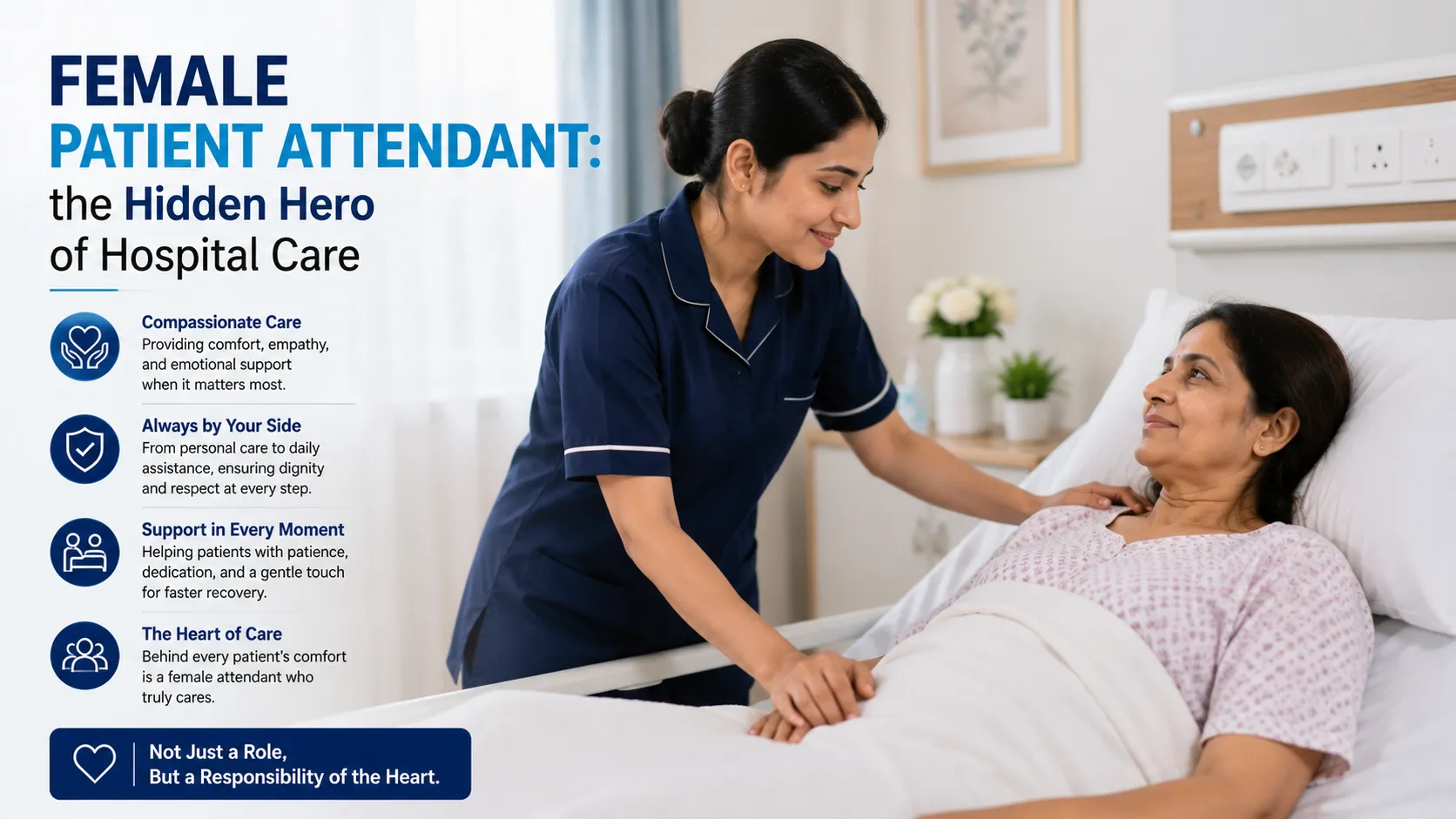
First, the attendant assists with personal hygiene, including bathing, grooming, and toileting. Consequently, patients maintain dignity and reduce infection risk.
Second, she helps with mobility, supporting transfers from bed to wheelchair or assisting with walking exercises. Furthermore, she monitors vital signs such as pulse, temperature, and blood pressure, reporting changes to nursing staff.
Third, she provides companionship, listening to concerns and offering encouragement. As a result, patients often experience lower anxiety levels.
Finally, she ensures the environment stays tidy, changing linens and organizing personal items. Therefore, the room remains conducive to recovery.
Core Duties Across Healthcare Settings
In hospitals, a Female Patient Attendant works primarily in medical-surgical units, intensive care, and rehabilitation floors. Additionally, she may serve in long‑term care facilities, assisting residents with chronic conditions.
In outpatient clinics, she prepares examination rooms, helps patients und dress, and escorts them to testing areas. Moreover, she supports telehealth visits by setting up equipment.
Home‑based care is another arena where attendants provide personalized aid, enabling seniors to age in place safely. Consequently, families gain peace of mind knowing professional help is nearby.
Training and Certification Pathways
Entry‑level candidates typically complete a short vocational course covering anatomy, infection control, and patient communication. Subsequently, many pursue state‑approved certification as a Nursing Assistant or Patient Care Technician.
Continuing education modules focus on dementia care, palliative support, and cultural competence. Furthermore, employers often sponsor workshops on safe lifting techniques to prevent injury.
Certification not only validates skill sets but also opens doors to higher pay and supervisory roles. Therefore, investing in formal training yields long‑term career benefits.
Challenges Faced and Strategies for Success
Physical demands rank among the top challenges, as attendants frequently lift or reposition patients. Consequently, proper body mechanics and assistive devices are essential.
Emotional strain arises from witnessing suffering or dealing with difficult family dynamics. In addition, shift work can disrupt sleep patterns.
Facilities mitigate these issues by implementing team‑based care models, offering counseling adequate staffing ratios. Moreover, regular debriefings help staff process experiences.
Personal resilience strategies include mindfulness practice, regular exercise, and maintaining strong social networks outside work. As a result, attendants sustain wellbeing while delivering compassionate care.
Impact on Patient Outcomes and Satisfaction
Research indicates that wards with consistent attendant presence report lower fall rates and fewer pressure ulcers. Furthermore, patients express higher satisfaction scores when they receive timely assistance with daily activities.
Because attendants spend more time at the bedside, they often notice subtle changes in condition early. Consequently, nurses can intervene sooner, reducing complications.Family members also benefit, feeling confident that their loved ones receive attentive, personalized support. Therefore, the role contributes to overall healthcare quality.
Future Trends Shaping the Profession
Technology integration is emerging, with wearable sensors alerting attendants to changes in patient vitals. Additionally, electronic documentation tools streamline communication with nursing staff.
There is a growing emphasis on interdisciplinary training, where attendants learn alongside therapists and social workers. Consequently, care plans become more holistic.
Finally, advocacy for better wages and recognition is gaining momentum, aiming to reduce turnover and attract new talent. Thus, the future looks promising for those committed to this vital vocation.
Call to Action
If you are inspired to pursue a career as a Female Patient Attendant or wish to improve attendant services in your facility, download our free career guide today. It outlines training options, salary expectations, and steps to advance your profession.
Frequently Asked Questions
What qualifications are needed to become a Female Patient Attendant?
Most employers require a high, followed by completion of a state‑approved patient care training program. Certification as a Nursing Assistant or Patient Care Technician is often preferred and may be mandatory in certain settings.
How does a Female Patient Attendant differ from a registered nurse?
While registered nurses perform clinical assessments, administer medications, and develop care plans, a Female Patient Attendant focuses on non‑clinical support such as hygiene, mobility, companionship, and environmental safety. Both roles collaborate closely to ensure comprehensive patient care.
What are the typical work schedules for a Female Patient Attendant?
Attendants commonly work rotating shifts that include days, evenings, nights, and weekends. Full‑time positions usually consist of 8‑ or 12‑hour shifts, while part‑time and per‑diem options offer flexibility for those balancing other commitments.
Can a Female Patient Attendant advance to other healthcare careers?
Yes. Experience as an attendant provides a solid foundation for pursuing roles such as licensed practical nurse, registered nurse, or specialized therapist. Many professionals use the attendant position as a stepping stone while continuing their education.
What personal qualities make a successful Female Patient Attendant?
Empathy, patience, strong communication skills, physical stamina, and attention to detail are essential. Additionally, reliability and the ability to remain calm under pressure contribute to long‑term success in this demanding yet rewarding field.