
Many women in Karachi struggle to find a healthcare provider who truly understands their unique physical challenges. A Female Physiotherapist in Karachi offers specialized care that addresses gender‑specific musculoskeletal issues, postpartum recovery, and chronic pain with empathy and expertise. This article explores why choosing a female physiotherapist can transform your health journey and what to expect from treatment.
- A Female Physiotherapist in Karachi provides personalized, culturally sensitive treatment plans.
- Common conditions treated include pelvic floor dysfunction, sports injuries, and arthritis.
- Choosing the right therapist involves checking credentials, experience, and patient reviews.
- Initial sessions focus on assessment, goal setting, and gentle manual therapy.
- Long‑term success relies on home exercise programs and lifestyle modifications.
Female Physiotherapist in Karachi: Why Gender‑Specific Care Matters
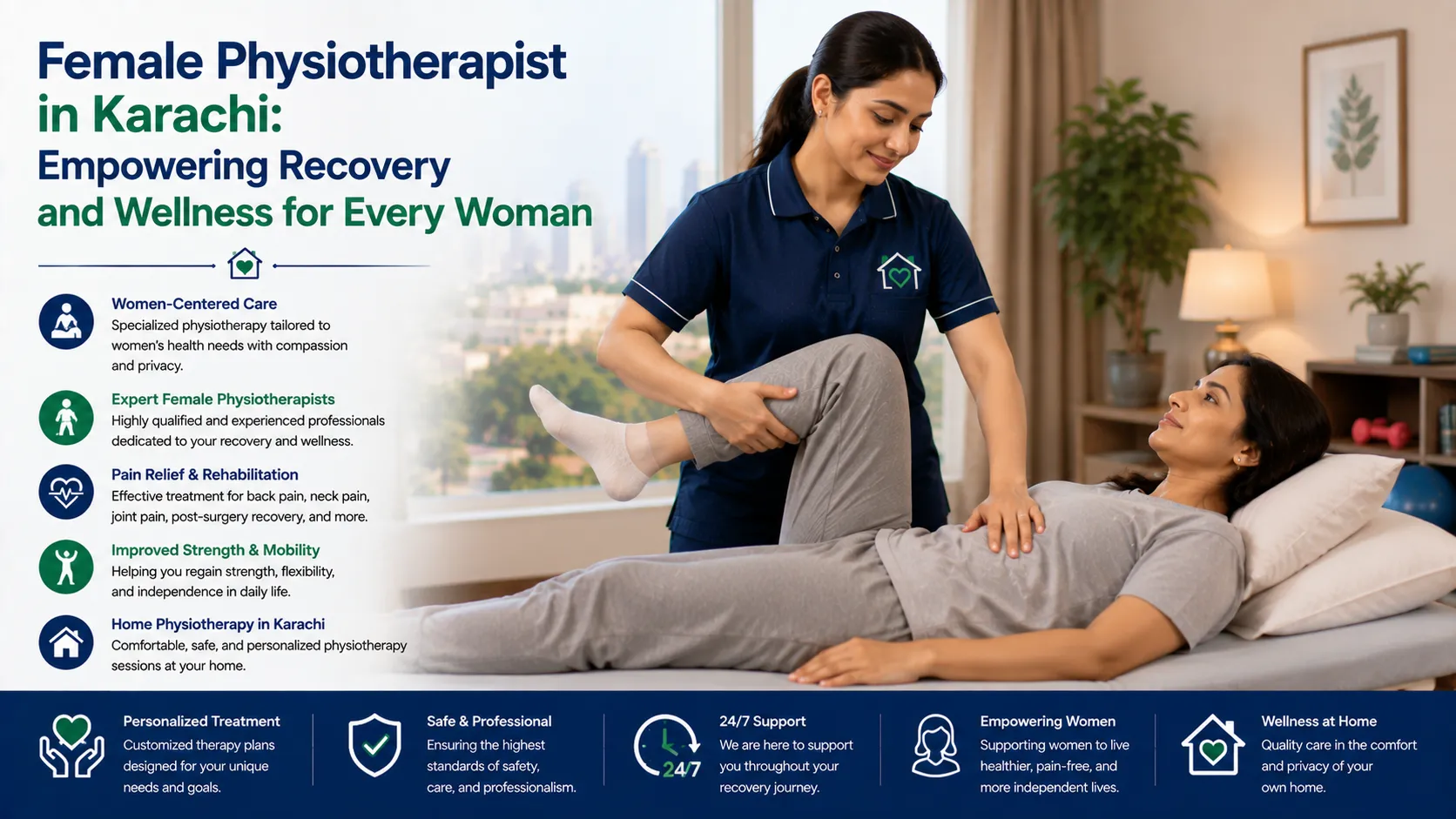
Women often experience health issues that differ from those of men, such as pregnancy‑related back pain, pelvic floor weakness, and hormonal‑related joint laxity. A Female Physiotherapist in Karachi understands these nuances and tailors interventions accordingly. This gender‑sensitive approach improves comfort, accelerates healing, and builds trust between therapist and patient.
Furthermore, cultural considerations play a significant role in Karachi’s healthcare landscape. Many women feel more at ease discussing intimate concerns with a female practitioner. This openness leads to accurate diagnosis and effective treatment plans that respect personal boundaries and societal norms.
Core Benefits of Choosing a Female Physiotherapist
- Enhanced communication about pelvic health and reproductive concerns.
- Tailored exercise programs that accommodate hormonal fluctuations.
- Greater empathy during postpartum and menopausal transitions.
- Reduced anxiety when undergoing manual therapy or modalities.
Consequently, patients report higher satisfaction rates and better adherence to prescribed routines. The therapeutic alliance formed with a Female Physiotherapist in Karachi often becomes a cornerstone of long‑term wellness.
Common Conditions Treated by Women’s Physiotherapy Experts in Karachi
A Female Physiotherapist in Karachi addresses a wide spectrum of musculoskeletal and neurological disorders. Below are some of the most frequently encountered conditions:
- Pelvic floor dysfunction – including incontinence, pelvic pain, and prolapse.
- Pregnancy‑related lumbar and sacroiliac joint pain.
- Post‑operative rehabilitation after hysterectomy or cesarean section.
- Osteoporosis‑related vertebral fractures and posture correction.
- Sports injuries such as ACL tears, rotator cuff strains, and ankle sprains.
- Chronic conditions like fibromyalgia, rheumatoid arthritis, and osteoarthritis.
In addition, many therapists offer specialized services such as prenatal yoga instruction, lactation‑related ergonomic advice, and geriatric fall‑prevention programs. This breadth of expertise ensures that women receive holistic care throughout every life stage.
How to Choose the Right Female Physiotherapist in Karachi
Selecting a qualified practitioner can feel overwhelming, but a few strategic steps simplify the process. Begin by verifying the therapist’s academic credentials and licensure with the Pakistan Physical Therapy Association. Look for additional certifications in areas like pelvic health, sports physiotherapy, or manual therapy.
Next, consider the therapist’s experience with conditions similar to yours. Patient testimonials and online reviews provide valuable insight into treatment outcomes and interpersonal style. Finally, schedule a brief consultation to assess communication style, clinic hygiene, and the overall comfort level of the facility.
Therefore, investing time in this selection process increases the likelihood of a successful therapeutic partnership and optimal recovery.
What to Expect During Your First Session with a Female Physiotherapist in Karachi
The initial appointment typically lasts 45‑60 minutes and focuses on comprehensive assessment. The therapist will begin with a detailed medical history, asking about lifestyle, menstrual cycle, pregnancy history, and specific pain patterns. This information guides the objective examination that follows.
During the physical evaluation, the therapist may assess posture, range of motion, muscle strength, joint mobility, and functional movements such as squatting or stair climbing. Special tests for pelvic floor stability or ligament integrity may be performed if indicated.
Based on the findings, the therapist will explain the diagnosis, set realistic goals, and outline a personalized treatment plan. This plan often includes manual therapy techniques, therapeutic exercises, modalities like ultrasound or TENS, and home‑care instructions.
As a result, you leave the first session with a clear understanding of your condition and a roadmap for improvement.
Success Stories: Real Impact of Female Physiotherapy in Karachi
Many women have experienced life‑changing improvements after working with a Female Physiotherapist in Karachi. Consider the case of Ayesha, a 32‑year‑old teacher who suffered from severe pelvic floor dysfunction after her second childbirth. Through a combination of biofeedback, pelvic muscle training, and lifestyle modifications, she regained continence within three months and resumed her active lifestyle confidently.
Another example is Sara, a 45‑year‑old office worker dealing with chronic lower back pain exacerbated by long hours of sitting. A tailored program of core stabilization, ergonomic adjustments, and weekly manual therapy sessions reduced her pain score from 8 to 2 on a visual analog scale, allowing her to return to her favorite hobby of hiking.
These narratives highlight the tangible benefits of specialized, gender‑aware physiotherapy services available across Karachi’s clinics and hospitals.
Tips for Maintaining Long‑Term Mobility After Physiotherapy
Achieving short‑term relief is only the first step; sustaining gains requires ongoing effort. Incorporate the prescribed home exercise routine into your daily schedule, treating it as non‑negotiable as brushing your teeth. Consistency prevents muscle atrophy and joint stiffness.
Additionally, adopt ergonomic practices at work and home. Use lumbar support cushions, adjust monitor height to eye level, and take micro‑breaks every hour to stretch. Staying hydrated and maintaining a balanced diet rich in calcium and vitamin D further supports musculoskeletal health.
Finally, schedule periodic follow‑up visits with your Female Physiotherapist in Karachi every three to six months. These check‑ins allow early detection of emerging issues and timely adjustments to your maintenance plan.
Future Trends in Women’s Physiotherapy Services in Karachi
The physiotherapy landscape in Karachi is evolving rapidly, driven by technology and growing awareness of women’s health needs. Tele‑rehabilitation platforms are expanding, enabling remote consultations for postpartum women or those residing in underserved areas. Wearable sensors that monitor muscle activity and movement patterns are becoming more common, providing objective data to refine treatment plans.
Moreover, interdisciplinary collaboration is on the rise. Female physiotherapists increasingly work alongside gynecologists, nutritionists, and mental health counselors to deliver integrated care models. This holistic approach addresses not only physical symptoms but also emotional and social factors influencing recovery.
As a result, the future promises more accessible, personalized, and effective physiotherapy services for women throughout Karachi.
Ready to Take Charge of Your Health?
Book an appointment with a trusted Female Physiotherapist in Karachi today and experience personalized care that fits your lifestyle.
What qualifications should I look for in a Female Physiotherapist in Karachi?
Ensure the therapist holds a recognized degree in physiotherapy (DPT or equivalent) and is licensed by the Pakistan Physical Therapy Association. Additional certifications in pelvic health, sports physiotherapy, or manual therapy indicate specialized expertise. Reviewing years of experience and patient testimonials further helps gauge competence.
How many sessions will I need with a Female Physiotherapist in Karachi to see results?
The number of sessions varies based on the condition’s severity, your overall health, and adherence to home exercises. Acute issues like a mild sprain may improve within 4‑6 visits, while chronic conditions such as pelvic floor dysfunction or osteoarthritis often require 8‑12 sessions followed by periodic maintenance. Your therapist will provide a personalized estimate after the initial assessment.
Can a Female Physiotherapist in Karachi help with pregnancy‑related back pain?
Absolutely. Pregnancy‑related back pain is a common focus area. Therapists use gentle manual therapy, posture education, core‑stabilizing exercises, and ergonomic advice tailored to each trimester. Treatment aims to relieve discomfort, prevent worsening symptoms, and prepare the body for labor and postpartum recovery.
Is it safe to receive physiotherapy during menstruation?
Yes, physiotherapy is generally safe during menstruation. Therapists adjust techniques based on your comfort level, avoiding intense abdominal pressure if you experience cramps. Many women find that light stretching, pelvic floor relaxation, and low‑impact aerobic activity alleviate menstrual discomfort.
What should I wear to a physiotherapy session with a Female Physiotherapist in Karachi?
Wear comfortable, loose‑fitting clothing that allows easy movement, such as a t‑shirt and joggers or leggings. Avoid heavy fabrics or restrictive garments. For pelvic floor assessments, you may be asked to change into a gown provided by the clinic, ensuring privacy and modesty.
One Response