
Karachi, Pakistan’s largest metropolis, faces a constant demand for quality medical services that can keep pace with its rapid urban growth. Residents often wonder where to find reliable hospitals, affordable clinics, and specialized treatments without enduring long waits or excessive costs. This article answers those questions by presenting a detailed look at the current state of health care Karachi offers, highlighting both strengths and areas needing improvement.
Key Takeaways
- Health care Karachi includes a mix of public hospitals, private institutions, and charitable clinics.
- Access to specialist care remains uneven, with better facilities concentrated in certain districts.
- Recent government initiatives aim to upgrade infrastructure and expand tele‑medicine services.
- Community health programs play a vital role in preventive care and outreach.
- Future growth depends on public‑private partnerships, investment in technology, and workforce training.
Understanding Health Care Karachi
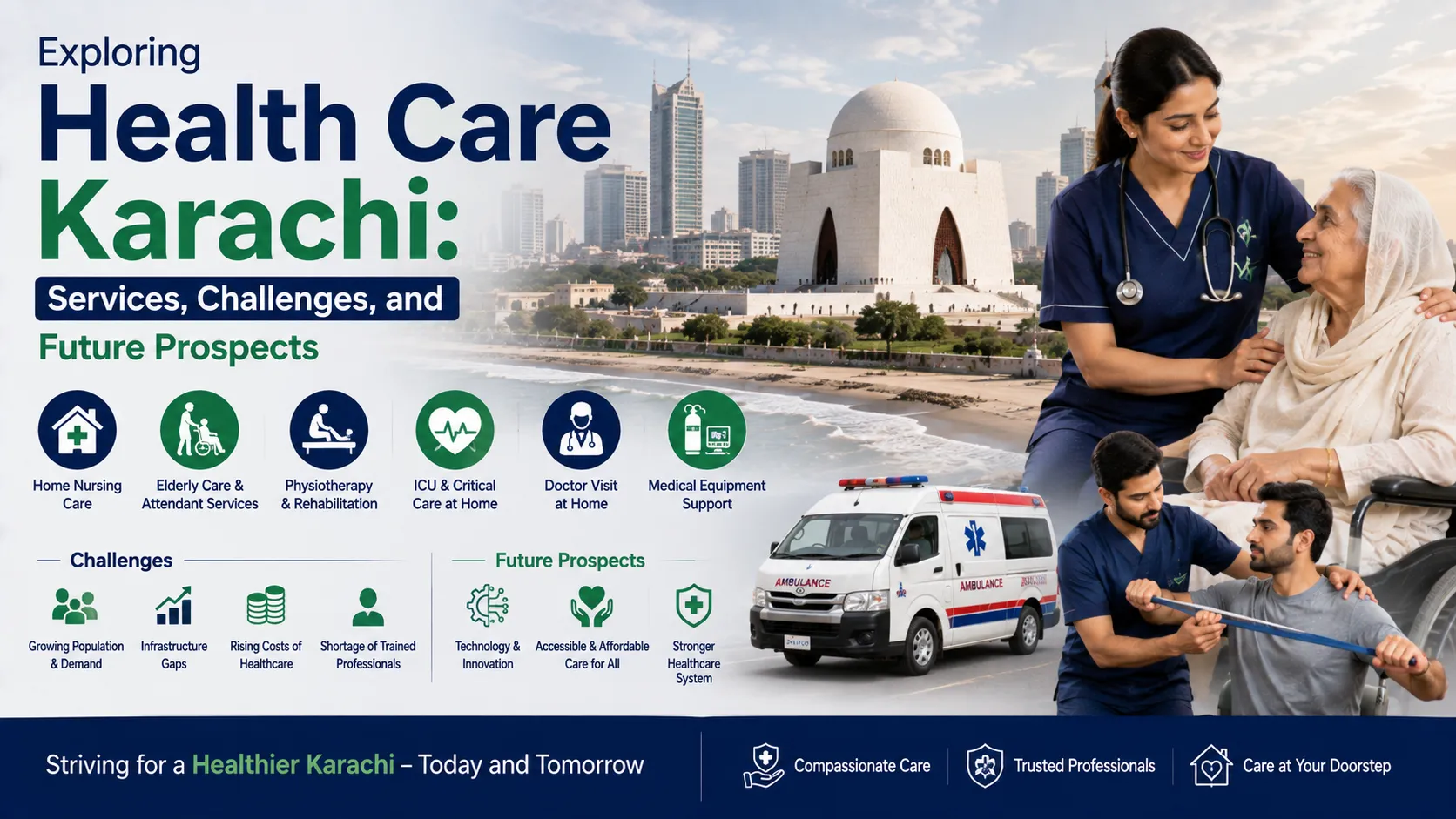
The phrase “Health Care Karachi” encapsulates the entire ecosystem of medical services available across the city’s 18 districts. From the bustling emergency departments of Jinnah Postgraduate Medical Centre to the quiet maternity wards of private nursing homes, the spectrum is broad. Public sector facilities provide subsidized care but often struggle with overcrowding and limited resources. Private hospitals, on the other hand, offer shorter wait times and advanced equipment, albeit at higher costs that may exclude lower‑income families.
Furthermore, the city’s demographic diversity creates unique health challenges. Communicable diseases such as dengue and tuberculosis persist in densely populated neighborhoods, while non‑communicable conditions like diabetes and hypertension rise alongside changing lifestyles. Consequently, health planners must balance curative services with robust preventive strategies.
Public Sector Landscape
Karachi’s public health system is anchored by several teaching hospitals affiliated with local universities. These institutions serve as referral centers for complex cases and provide training for future doctors and nurses. However, frequent power outages, outdated equipment, and staff shortages hinder their ability to deliver timely care. Despite these obstacles, many public hospitals run successful outreach programs, offering free vaccinations and maternal health camps in underserved areas.
In addition, the city operates numerous dispensaries and basic health units that cater to primary care needs. These facilities are crucial for managing common ailments, providing antenatal check‑ups, and distributing essential medicines. Nevertheless, their effectiveness varies widely depending on local management and funding levels.
Private Sector Contributions
Private hospitals and clinics in Karachi have expanded rapidly over the past decade, driven by rising demand for quality and convenience. Many of these establishments boast internationally accredited laboratories, modern imaging suites, and specialized units such as cardiac care and oncology. Patients often choose private providers for elective surgeries, diagnostic packages, and personalized attention.
Moreover, a growing number of boutique clinics focus on niche services like fertility treatment, cosmetic dermatology, and sports medicine. While these options enhance the overall health care Karachi portfolio, they also contribute to cost stratification, prompting policymakers to explore mechanisms that ensure equitable access.
Charitable and NGO Initiatives
Charitable organizations fill critical gaps left by both public and private sectors. Groups such as the Edhi Foundation and various trust‑run hospitals provide free or low‑cost services to the city’s poorest residents. Their mobile clinics travel to informal settlements, delivering essential care where permanent facilities are scarce. These initiatives not only alleviate immediate suffering but also generate valuable data on community health needs.
Key Challenges Facing Health Care Karachi
Despite the city’s considerable medical infrastructure, several persistent challenges affect service quality and accessibility. Understanding these obstacles is essential for stakeholders aiming to enact meaningful reforms.
Infrastructure Deficits
Many hospitals, especially in the public sector, suffer from aging buildings that lack proper ventilation, sanitation, and disaster resilience. Retrofitting these structures requires substantial investment, which is often delayed due to bureaucratic hurdles. Consequently, patients may encounter environments that increase infection risk or hinder efficient workflow.
Furthermore, unreliable electricity and water supplies disrupt critical services such as dialysis and intensive care. Backup generators exist in some facilities, but fuel shortages and maintenance issues can render them ineffective during prolonged outages.
Human Resource Constraints
The doctor‑to‑population ratio in Karachi remains below recommended levels, leading to overworked staff and longer patient wait times. Specialist shortages are particularly acute in fields like psychiatry, geriatrics, and pediatric surgery. Continuous professional development opportunities are limited, causing skill gaps that affect treatment outcomes.
In addition, nursing staff often face challenging working conditions, including inadequate staffing ratios and limited career progression. Addressing these concerns through better remuneration, supportive leadership, and clear advancement pathways is vital for retaining talent.
Financial Barriers
Out‑of‑pocket expenses constitute a significant portion of health spending for many Karachi residents. Even when public services are nominally free, hidden costs such as medications, diagnostic tests, and transportation can deter individuals from seeking timely care. Private sector fees, while offering higher comfort levels, remain prohibitive for low‑income families.
Moreover, health insurance penetration is low, leaving a large segment of the population vulnerable to catastrophic health expenditures. Expanding affordable insurance schemes and strengthening social safety nets could mitigate these financial shocks.
Opportunities for Improvement
Recognizing the challenges also reveals actionable avenues for enhancing health care Karachi delivers. Strategic investments, policy reforms, and community engagement can drive measurable progress.
Leveraging Technology
Tele‑medicine platforms have gained traction, especially after the COVID‑19 pandemic, enabling remote consultations for follow‑up visits, chronic disease management, and mental health support. Expanding broadband connectivity in underserved neighborhoods can amplify these benefits, reducing travel burdens and wait times.
Additionally, implementing electronic health records (EHRs) across hospitals can improve care coordination, reduce duplicate testing, and facilitate data‑driven decision‑making. Pilot projects in select institutions have shown promising results, suggesting a city‑wide rollout is feasible.
Public‑Private Partnerships
Collaborative models that combine governmental oversight with private sector efficiency have demonstrated success in other megacities. Karachi could adopt similar frameworks to upgrade hospital infrastructure, introduce advanced diagnostic equipment, and expand specialty services while keeping costs under control.
Such partnerships can also facilitate training exchanges, whereby private sector experts mentor public hospital staff, fostering skill transfer and raising overall care standards.
Strengthening Preventive Care
Investing in preventive measures yields long‑term savings by reducing the incidence of costly chronic diseases. Community health workers. School‑based nutrition programs, regular screening camps, and widespread immunization drives are proven strategies that can be scaled across Karachi’s diverse populations.
Furthermore, integrating health education into local media campaigns empowers residents to make informed lifestyle choices, fostering a culture of wellness that complements clinical services.
Future Outlook for Health Care Karachi
The trajectory of health care Karachi will largely depend on how effectively stakeholders address current shortcomings while embracing innovation. Continued urbanization will increase demand, but proactive planning can transform challenges into opportunities for a more resilient and inclusive health system.
Policy makers are encouraged to adopt a holistic approach that aligns financing, infrastructure, workforce development, and community participation. By setting clear performance metrics and ensuring transparent accountability, the city can monitor progress and adjust strategies in real time.
Ultimately, a healthier Karachi contributes to broader socioeconomic stability, enabling residents to pursue education, employment, and personal aspirations without the burden of untreated illness. The journey toward optimal health care Karachi is ongoing, but with concerted effort, the vision of accessible, high‑quality medical care for all is attainable.
What are the main types of health care facilities available in Karachi?
Karachi offers a diverse mix of health care facilities, including public hospitals managed by the government, private hospitals and clinics, charitable trusts, and numerous dispensaries and basic health units. Public institutions provide subsidized care but often face overcrowding, while private providers deliver shorter wait times and advanced services at higher costs. Charitable organizations fill gaps by offering free or low‑cost care to underserved communities.
How does the cost of treatment differ between public and private health care in Karachi?
Public sector hospitals generally charge minimal fees for consultations and basic procedures, though patients may still incur expenses for medicines, diagnostic tests, and transportation. Private hospitals, by contrast, charge market‑based rates that reflect the use of modern equipment, specialized specialists, and enhanced amenities. As a result, a routine surgery that might cost a few thousand rupees in a public setting could run into tens of thousands in a private facility.
What recent government initiatives aim to improve health care Karachi?
Recent initiatives include the upgradation of emergency departments in major public hospitals, the launch of tele‑medicine hubs to serve remote neighborhoods, and partnerships with private firms to supply modern imaging equipment. Additionally, the Sindh government has expanded its health insurance scheme to cover more low‑income families and increased funding for maternal and child health programs.
How can residents access affordable specialist care in Karachi?
Residents can access affordable specialist care through several routes: visiting outpatient departments of public teaching hospitals, utilizing specialist camps organized by NGOs and charitable trusts, and enrolling in health insurance plans that cover specialist consultations. Some private hospitals also offer discounted packages for specific procedures during promotional periods.
Take the Next Step Toward Better Health
If you found this guide useful, consider sharing it with friends and family who might benefit from understanding the health care options in Karachi. For personalized assistance in locating a suitable clinic or scheduling a tele‑consultation, contact our health‑navigator team today. Together we can make quality health care accessible to every resident of Karachi.