
Many families struggle to find reliable medical support that lets loved ones stay comfortable in their own homes. Home Care Nursing Services bridge that gap by delivering professional clinical care directly where patients feel safest. In the following sections, you’ll discover how these services work, who benefits most, and what to look for when choosing a provider.
Key Takeaways
- Home Care Nursing Services provide skilled medical care, medication management, and wound treatment in a residential setting.
- They reduce hospital readmissions, improve patient independence, and support family caregivers.
- Eligibility often depends on medical necessity, insurance coverage, and the ability to maintain a safe home environment.
- Choosing a licensed, accredited agency ensures consistent quality and compliance with state regulations.
- Regular communication between nurses, physicians, and families creates a cohesive care plan that adapts to changing needs.
What Are Home Care Nursing Services?
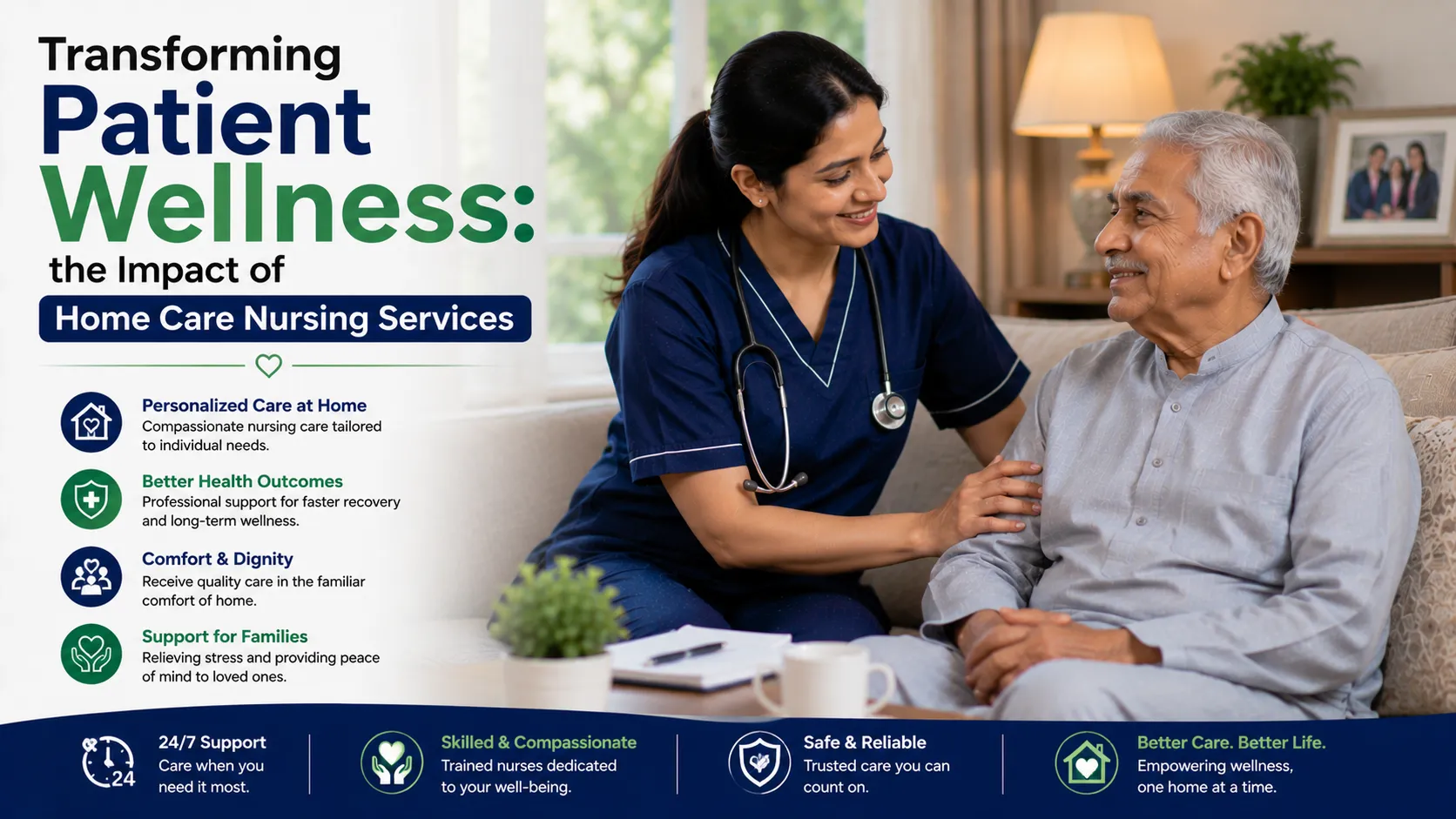
Home Care Nursing Services involve registered nurses or licensed practical nurses visiting a patient’s residence to perform clinical tasks. These tasks range from administering intravenous therapies to monitoring vital signs and educating families about disease management. Unlike general home health aides, nurses focus on medical interventions that require professional licensure.
Consequently, patients recovering from surgery, managing chronic illnesses, or needing palliative support can receive hospital‑level care without leaving home. This model not only enhances comfort but also lowers the risk of infections associated with prolonged hospital stays.
Core Benefits of Home Care Nursing Services
One major advantage is personalized attention. Nurses tailor care plans to each individual’s medical history, lifestyle, and preferences, resulting in more effective treatment outcomes. Furthermore, continuous monitoring allows early detection of complications, prompting timely interventions.
In addition, family caregivers experience reduced stress when a qualified nurse handles complex medical duties. This support enables relatives to focus on emotional bonding rather than clinical tasks, improving overall household well‑being.
As a result, studies show that patients utilizing Home Care Nursing Services experience fewer emergency room visits and higher satisfaction scores compared to those relying solely on outpatient clinics.
Who Benefits Most From These Services?
Older adults with mobility limitations often find home nursing indispensable for managing medications and wound care. Individuals recovering from orthopedic procedures, such as hip replacements, also gain from postoperative nursing visits that promote safe rehabilitation.
Patients with chronic conditions like diabetes, heart failure, or COPD benefit from regular nursing assessments that help control symptoms and prevent exacerbations. Moreover, those receiving hospice or palliative care can maintain dignity and comfort in familiar surroundings.
Finally, children with complex medical needs, such as tracheostomy dependence or gastrostomy feeding, receive specialized pediatric nursing that supports growth and development while minimizing hospital disruption.
How to Choose a Quality Provider
Begin by verifying that the agency holds a current state license and accreditation from bodies such as The Joint Commission or the Community Health Accreditation Partner (CHAP). These credentials indicate adherence to rigorous safety and quality standards.
Next, inquire about the nurse’s qualifications, including years of experience, specialty training, and background check procedures. A transparent provider will gladly share this information and provide references from satisfied clients.
Additionally, assess the agency’s communication protocols. Effective Home Care Nursing Services rely on clear updates between nurses, physicians, and family members, often facilitated through secure portals or regular care conferences.
Finally, review cost structures and insurance compatibility. Many services are covered by Medicare, Medicaid, or private insurance when deemed medically necessary, but understanding co‑pays and coverage limits prevents unexpected expenses.
What to Expect During the First Visit
During the initial assessment, the nurse will conduct a comprehensive health review, evaluate the home environment for safety hazards, and discuss goals with the patient and family. This visit establishes a baseline for future care and helps customize the nursing plan.
The nurse may also perform basic procedures such as blood pressure checks, glucose testing, or medication reconciliation. Education on symptom recognition and self‑care techniques is typically provided to empower patients and caregivers alike.
After the visit, the nurse documents findings, shares the care plan with the prescribing physician, and schedules follow‑up visits based on the patient’s needs. Ongoing coordination ensures that adjustments are made promptly as conditions evolve.
Common Misconceptions About Home Nursing
Some believe that home nursing is only for the elderly, but patients of all ages can qualify if medical necessity exists. Others think that nurses merely provide companionship; in reality, they perform skilled clinical tasks that require licensure and ongoing training.
Another myth is that home care is prohibitively expensive. While costs vary, many services are reimbursable through insurance programs, and the expense often compares favorably to repeated hospital admissions or long‑term facility stays.
By dispelling these misunderstandings, families can make informed decisions that truly support their loved ones’ health and independence.
Future Trends in Home Care Nursing
Technology is reshaping how nurses deliver care remotely. Wearable devices that transmit real‑time vitals allow nurses to monitor patients between visits and intervene earlier when anomalies appear.
Telehealth integration enables virtual consultations, reducing travel time for both nurses and patients while maintaining clinical oversight. Additionally, artificial intelligence tools are beginning to assist with risk prediction, helping nurses prioritize high‑need cases.
These innovations promise to make Home Care Nursing Services even more efficient, accessible, and responsive to the evolving demands of modern healthcare.
What qualifications should a nurse providing home care have?
A nurse delivering home care should hold an active RN or LPN license in the state where services are provided. Additional certifications in areas such as wound care, IV therapy, or gerontology are valuable indicators of specialized expertise. Agencies typically verify licensure, conduct background checks, and require ongoing continuing education to ensure competence.
How often do home care nurses typically visit a patient?
Visit frequency depends on the patient’s condition and the physician’s orders. Some individuals require daily visits for complex treatments like chemotherapy or ventilator management, while others may need only weekly or bi‑weekly check‑ins for medication management or wound assessments. The care plan is adjusted as the patient’s health status changes.
Are Home Care Nursing Services covered by Medicare?
Yes, Medicare Part A and/or Part B can cover home health nursing when the care is deemed medically necessary, the patient is homebound, and a physician certifies the need for skilled nursing. Coverage includes intermittent skilled nursing visits, therapy services, and certain medical supplies. Patients should verify specific eligibility criteria with their Medicare provider.
Can home care nurses administer medications?
Home care nurses are authorized to administer a wide range of medications, including oral, subcutaneous, intramuscular, and intravenous drugs, provided they have the appropriate training and physician orders. They also monitor for side effects, educate patients on proper usage, and ensure medication reconciliation to prevent errors are minimized.
Ready to Experience Compassionate, Expert Care at Home?
Discover how our licensed nursing team can support your loved one’s health and independence. Schedule a free consultation today and take the first step toward personalized, hospital‑quality care without leaving home.