
Imagine missing a dose of life‑saving medication simply because a busy schedule or a forgetful moment got in the way. In Karachi, where rapid urban life meets rising rates of diabetes, hypertension, and heart disease, this scenario is all too common. Medication Reminders in Karachi offer a practical bridge between prescription and adherence, helping patients stay on track and improve health outcomes.
Key Takeaways:
- Medication reminders reduce missed doses by up to 40% in Karachi’s adult population.
- Simple tools like SMS alerts, pillboxes with alarms, and smartphone apps are widely accessible.
- Community pharmacies and local health workers play a vital role in supporting reminder systems.
- Combining technology with personalized counseling yields the best long‑term adherence.
- Regular follow‑up improves both clinical metrics and patient confidence.
Why Medication Adherence Matters in Karachi
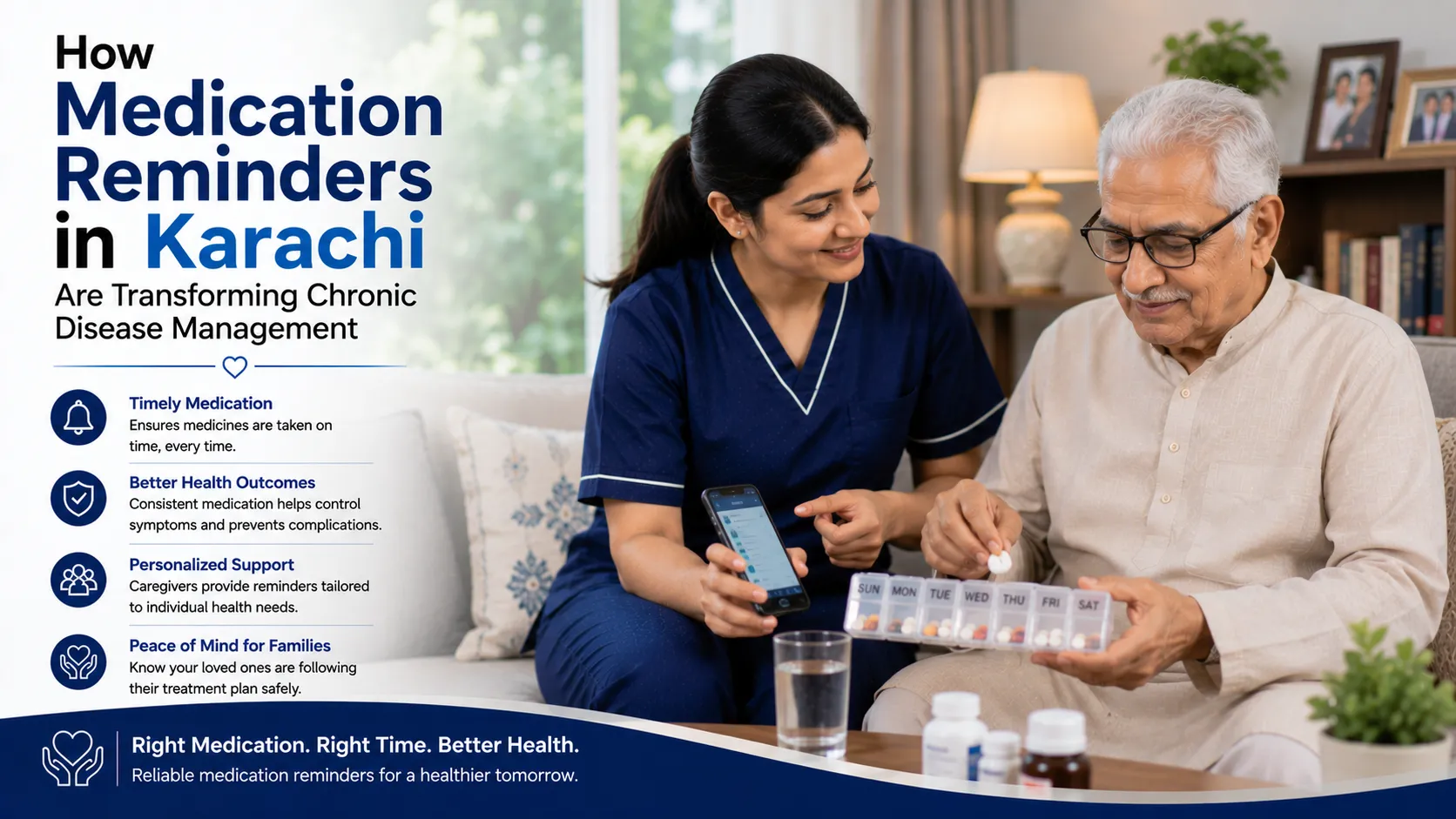
Karachi’s healthcare landscape faces unique pressures. Overcrowded clinics, limited specialist access, and high out‑of‑pocket costs make consistent medication use essential. When patients skip doses, disease progression accelerates, leading to costly hospitalizations and reduced quality of life.
Furthermore, studies show that non‑adherence contributes to nearly 50% of treatment failures in chronic conditions. Addressing this gap through reliable reminders can prevent complications and ease the burden on public hospitals.
Consequently, healthcare providers increasingly view reminder systems as a low‑cost, high‑impact intervention.
Common Barriers to Taking Medication on Time
Many Karachi residents cite forgetfulness as the primary reason for missed doses. Busy commutes, shift work, and caregiving responsibilities often disrupt daily routines.
In addition, complex regimens—multiple pills at different times—confuse patients, especially older adults with limited health literacy.
Moreover, side‑effects or perceived lack of improvement can discourage continued use, making reminders even more critical.
As a result, designing reminder tools that fit into chaotic lifestyles becomes a priority for planners.
Technological Solutions for Medication Reminders in Karachi
Mobile phone penetration in Karachi exceeds 80%, making SMS‑based reminders a feasible first step. Clinics can schedule automated texts that include the medication name, dosage, and timing.
Furthermore, free smartphone apps such as Medisafe or MyTherapy offer customizable alarms, visual pill charts, and adherence reports that patients can share with doctors.
In addition, smart pillboxes equipped with audible alerts and Bluetooth synchronization provide a tangible cue for users who prefer non‑digital aids.
Therefore, a layered approach—combining low‑tech SMS with optional app features—covers the widest demographic.
Community Initiatives and Pharmacy Support
Local pharmacies in neighborhoods like Saddar, Gulshan-e-Iqbal, and Korang have begun offering reminder stickers and blister packs labeled with time slots.
Furthermore, community health workers conduct home visits to help elderly patients set up alarms on basic feature phones.
In addition, mosques and community centers occasionally host short awareness sessions where imams announce the importance of timely medication after prayers.
As a result, these grassroots efforts reinforce clinic‑based programs and build trust within communities.
Implementing Medication Reminders in Karachi: A Step‑by‑Step Guide
Start by assessing the patient’s routine, preferred communication method, and complexity of their medication schedule.
Next, choose a reminder modality—SMS for basic phones, an app for smartphone users, or a pillbox for those who dislike screens.
Then, set up the reminder with clear labels: include the drug name, dose, and any special instructions (e.g., “take with food”).
Furthermore, involve a family member or caregiver in the setup process to provide additional accountability.
Afterward, schedule a follow‑up call or visit after two weeks to troubleshoot any issues and reinforce the habit.
Finally, celebrate adherence milestones—small rewards like a free health check‑up can motivate continued compliance.
Best Practices for Sustaining Long‑Term Adherence
Consistency beats perfection; even a reminder that works 80% of the time yields significant health benefits.
Furthermore, periodically review the medication list with a prescriber to eliminate unnecessary pills and simplify the regimen.
In addition, educate patients about the consequences of missed doses using simple visuals or short videos in Urdu or Sindhi.
Moreover, encourage patients to keep a medication diary—either paper‑based or digital—to reflect on patterns and adjust reminders as needed.
Therefore, ongoing engagement transforms a one‑time setup into a lasting habit.
Future Trends in Medication Reminders for Karachi’s Growing Population
Artificial intelligence is beginning to predict adherence risks based on prescription refill data and patient‑reported outcomes.
Furthermore, voice‑enabled assistants in Urdu are being piloted to deliver hands‑free reminders for low‑literacy users.
In addition, blockchain‑secured medication logs could soon allow patients to share immutable adherence records with insurers or employers.
As these innovations mature, integrating them with existing public health programs will amplify their reach.
Consequently, Karachi stands to become a model for leveraging technology to improve medication safety across South Asia.
Ready to Improve Your Medication Routine?
If you or a loved one in Karachi struggles to keep track of prescriptions, start with a free SMS reminder service offered by many local clinics. Speak to your pharmacist today about setting up a personalized pillbox or downloading a trusted adherence app. Small steps now lead to healthier tomorrows.
What types of medication reminders work best for elderly patients in Karachi?
Elderly patients often benefit from simple, non‑digital solutions such as pillboxes with audible alarms or large‑print reminder charts placed near the bedside. Combining these with a daily phone call from a family member or community health worker increases reliability. Smartphone apps with voice prompts can also be helpful if the patient is comfortable using a basic smartphone.
How can I set up an SMS medication reminder without a smartphone?
Many clinics and pharmacies in Karachi offer free SMS reminder services. You simply provide your mobile number, the medication name, dosage, and timing. The system then sends automated text messages at the scheduled times. If your provider does not offer this service, you can use third‑party platforms like Twilio or local health‑tech startups that cater to basic phones.
Are there any privacy concerns with using medication reminder apps?
Reputable reminder apps comply with data protection standards and store information locally on your device unless you opt to sync with a cloud service. Always review the app’s privacy policy, and avoid sharing sensitive health details on public forums. For added security, choose apps that allow you to set a PIN or biometric lock.
How effective are medication reminders in reducing hospital readmissions?
Studies conducted in urban Pakistani settings show that structured reminder programs can lower 30‑day readmission rates by up to 25% for patients with chronic conditions like heart failure or diabetes. The reduction stems from better blood pressure and glucose control, which prevents acute complications that would otherwise require emergency care.