
When a loved one faces a severe illness, manages a chronic condition, or recovers from major surgery, the burden of managing their daily medical needs can quickly become overwhelming for families. Consequently, securing professional patient care services is the most effective way to guarantee safe, clinical-grade medical assistance and personal support right in the comfort of home.
These comprehensive care solutions bridge the gap between hospital discharge and long-term recovery. Therefore, families can rest assured that their relatives are receiving expert attention tailored to their unique medical profiles. Ultimately, professional home care preserves dignity while maximizing clinical safety.
Key Takeaways
- Clinical Excellence: Professional home-based care provides hospital-grade medical attention without the stress of institutional stays.
- Personalized Attention: Care plans are customized specifically to the individual’s daily routines, medical history, and recovery goals.
- Peace of Mind: Families receive reliable support, which significantly reduces caregiver burnout and anxiety.
- Holistic Integration: Modern patient care services seamlessly combine clinical nursing with emotional and rehabilitative support.
The Evolution of Modern Patient Care Services
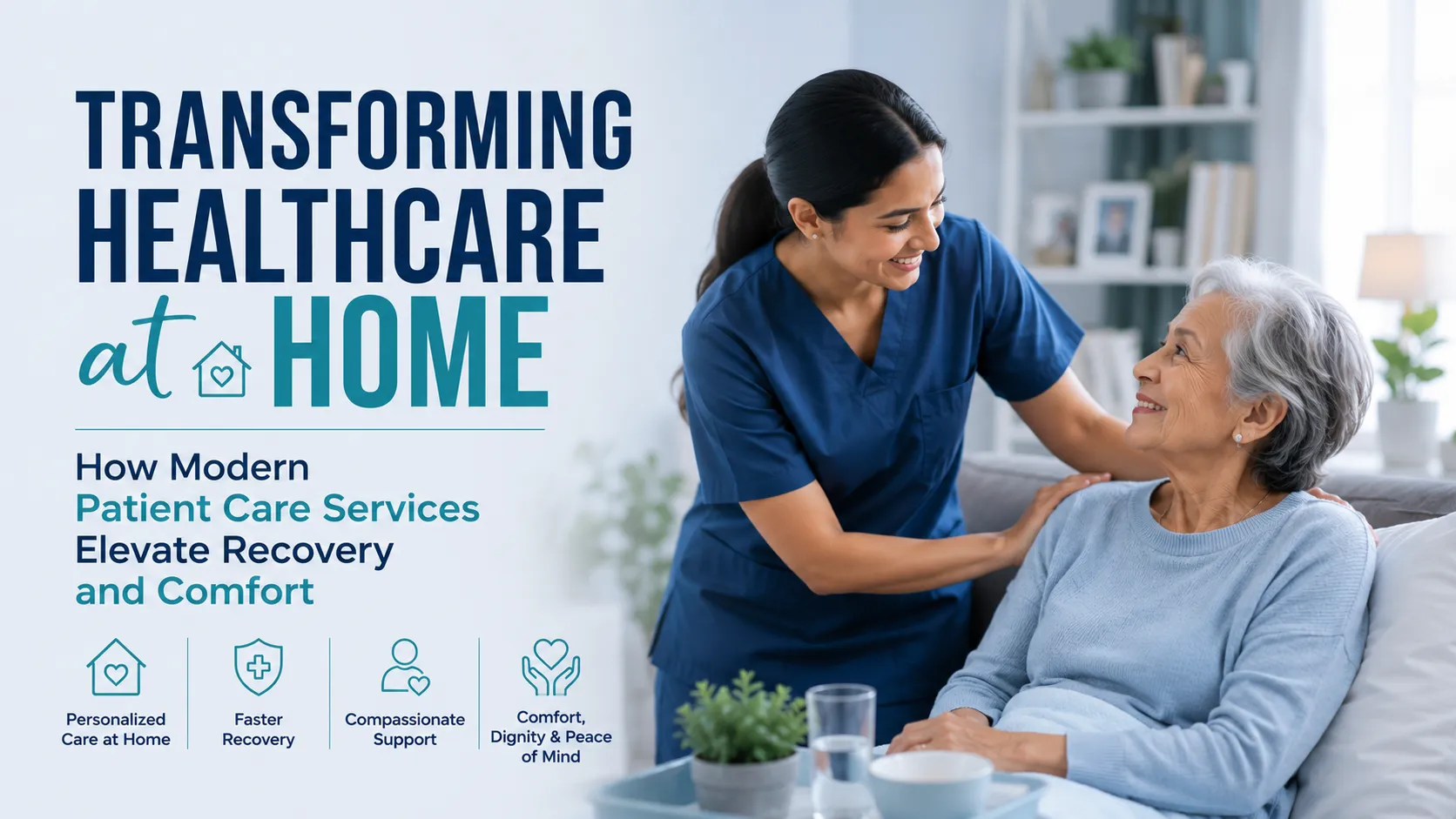
Historically, individuals requiring continuous medical monitoring had to remain hospitalized for extended periods. However, the healthcare landscape has shifted dramatically toward decentralized, home-based solutions.
As a result of this transition, modern patient care services now deliver highly sophisticated clinical therapies outside of traditional hospital settings. This evolution has significantly improved patient satisfaction and overall clinical outcomes.
Furthermore, advanced medical technology now allows providers to monitor vital signs remotely. Consequently, patients receive immediate interventions without the stress of frequent clinic visits.
Essential Pillars of Comprehensive Home Support
To understand how patient care services function, it is essential to explore the primary components that make up a successful home-based clinical plan. These pillars ensure that both medical and daily living needs are met seamlessly.
Skilled Nursing and Clinical Monitoring
Registered nurses play a pivotal role in delivering clinical care directly to patients. Specifically, they administer intravenous medications, manage complex wound dressings, and monitor chronic conditions like diabetes or heart disease.
Therefore, having a skilled nurse at home minimizes the risk of medical complications. In addition, they act as a vital link between the patient and their primary care physician.
Personal Care and Assistance with Activities of Daily Living (ADLs)
Many individuals require help with daily routines such as bathing, dressing, and nutritional preparation. Professional caregivers assist with these tasks while maintaining the patient’s dignity.
Consequently, this support fosters independence and prevents accidental falls or injuries. Ultimately, daily assistance ensures a safer and more hygienic living environment.
Rehabilitative and Therapeutic Interventions
Physical, occupational, and speech therapies are crucial for patients recovering from strokes or major orthopedic surgeries. Home-based therapists design customized exercises to restore mobility and cognitive functions.
As a result, patients regain their strength much faster in a familiar, low-stress environment. Furthermore, personalized therapy plans adapt to the physical layout of the patient’s home.
Crucial Advantages of Home-Based Clinical Care
Choosing to receive care at home offers numerous clinical and emotional advantages. Below are the primary benefits that families experience when transitioning to home-based support.
Accelerated Healing in a Familiar Environment
Studies consistently show that patients heal faster when surrounded by their loved ones and familiar belongings. However, a sterile hospital environment can sometimes induce anxiety and sleep deprivation.
Therefore, utilizing dedicated patient care services at home promotes emotional well-being and mental peace. This psychological comfort directly correlates with faster physical recovery times.
Cost-Effectiveness Compared to Long-Term Hospitalization
Prolonged hospital stays are financially draining for families and insurance providers alike. In contrast, home-based medical assistance offers a highly customized, cost-effective alternative.
Consequently, families only pay for the specific hours and medical interventions they actually require. This flexibility makes long-term recovery significantly more affordable.
Drastically Reduced Risk of Hospital Readmissions
Post-discharge complications often lead to unnecessary hospital readmissions within the first thirty days. Fortunately, consistent clinical oversight at home mitigates these risks.
By choosing high-quality patient care services, families ensure that warning signs are identified early. Therefore, preventative adjustments to treatment plans can be made immediately.
Selecting the Ideal Provider for Your Family
Selecting the right provider of patient care services is a critical decision that requires careful evaluation. Families must look beyond basic offerings to find a partner that aligns with their specific medical needs.
Verifying Licenses, Certifications, and Insurance
When evaluating different agencies, verifying their clinical credentials and state licensing is absolutely paramount. Furthermore, ensure that all caregivers undergo rigorous background checks and continuous training.
As a result, you will gain peace of mind knowing that certified professionals are managing your loved one’s health. Never hesitate to ask for references or proof of liability insurance.
Assessing the Customization of Care Plans
Every individual has unique medical requirements and personal preferences. Therefore, a reputable agency must conduct a thorough initial assessment to design a highly customized care plan.
In addition, this plan should be flexible enough to evolve as the patient’s condition improves or changes. Ongoing communication between the family and the care coordinator is essential.
The Role of Technology in Modern Care Delivery
Technology has revolutionized how home-based medical support is administered. For instance, digital health portals allow caregivers to log daily vitals and share updates in real-time.
Consequently, physicians can review this data instantly and make necessary medication adjustments. Furthermore, telehealth integrations enable virtual consultations, reducing the need for stressful transportation.
Ultimately, these technological advancements ensure that patient care services remain highly coordinated, efficient, and precise. Families can easily track their relative’s progress through secure mobile applications.
Frequently Asked Questions About Home Care
What do patient care services typically include?
These comprehensive patient care services encompass a wide range of offerings, including skilled nursing, wound care, medication administration, physical therapy, and personal care assistance. Consequently, the exact services are tailored to meet the specific medical and daily living needs of each individual patient.
How do we know if our loved one requires professional home care?
Common indicators include frequent falls, difficulty managing medications, a decline in personal hygiene, or recovery from a major medical event. Therefore, scheduling a professional clinical assessment is the best way to determine the exact level of support required for safe daily living.
Are home-based clinical services covered by insurance?
Many private insurance plans, Medicare, and long-term care insurance policies cover medical-grade home services under specific clinical guidelines. However, coverage often depends on whether the care is deemed medically necessary by a physician. Consequently, accessing these patient care services can be highly affordable with proper pre-authorization.
How do you ensure the safety and compatibility of caregivers?
Reputable agencies conduct rigorous background checks, verify professional licenses, and perform personality matching assessments. In addition, families are typically involved in the selection process to ensure a comfortable and trusting relationship between the caregiver and the patient.
Ready to Elevate Your Loved One’s Care?
Do not navigate the complexities of recovery alone. Our premier patient care services are designed to bring clinical excellence and compassionate support directly to your doorstep.