
When a skin injury or pressure ulcer appears, choosing the right dressing can dramatically affect healing speed and comfort. Proper wound and bedsore dressing protects the area, manages exudate, and reduces infection risk. This article explains exactly how to select, apply, and monitor dressings for optimal results.
- Wound and bedsore dressing creates a moist environment that promotes faster tissue repair.
- Different dressing types—hydrocolloid, foam, alginate, and antimicrobial—serve specific wound characteristics.
- Cleaning the wound gently before each change prevents contamination and supports healing.
- Monitoring for signs of infection, such as increased redness or foul odor, is essential.
- Professional consultation is advised for deep, non‑healing, or heavily exuding wounds.
Understanding Wound and Bedsore Dressing
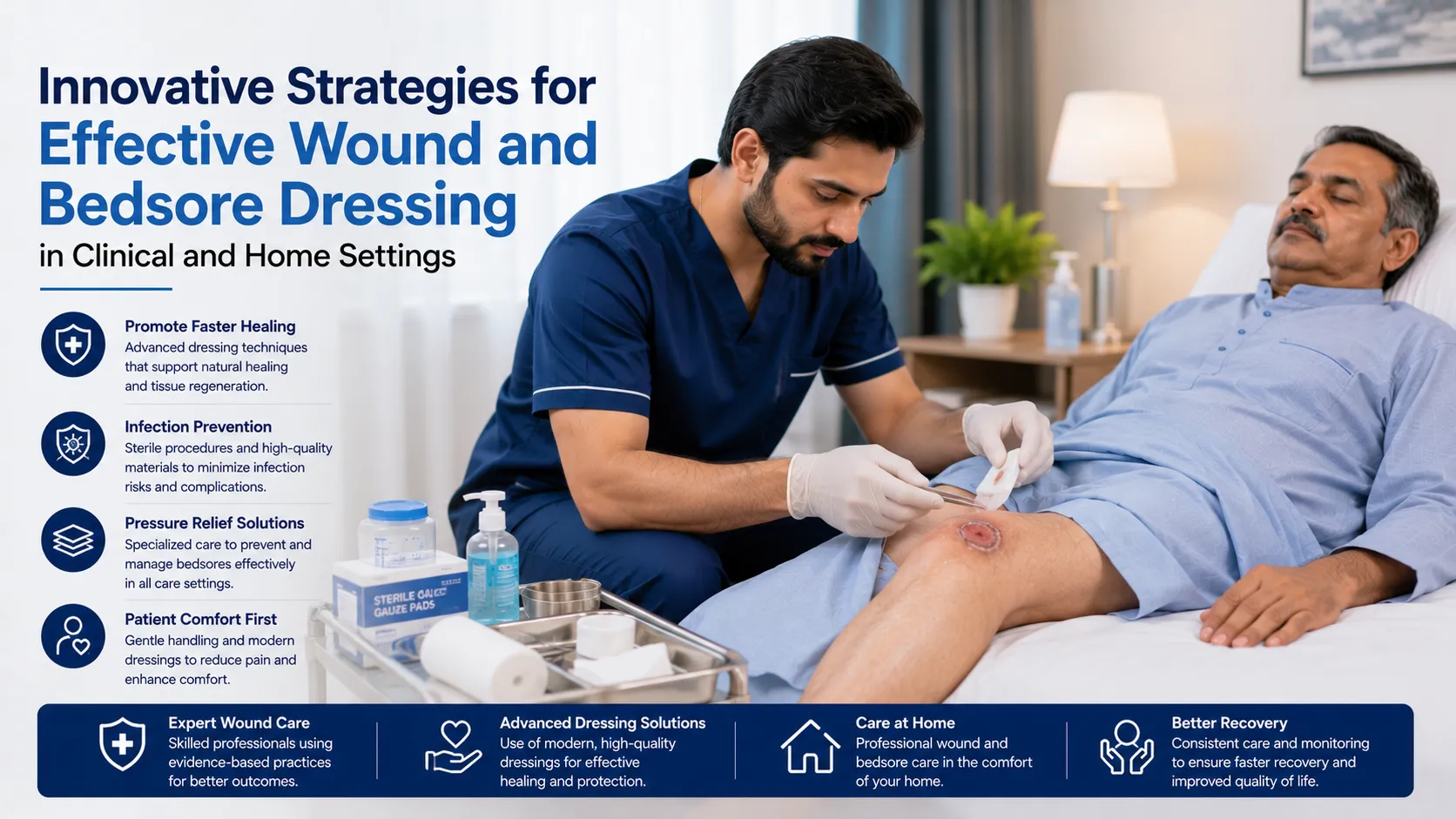
Wound and bedsore dressing refers to any material placed over a skin lesion or pressure sore to protect it and facilitate healing. The primary goal is to maintain a balanced moisture level while shielding the wound from external contaminants. Effective dressings also absorb excess fluid and can deliver therapeutic agents when needed.
In clinical practice, the term “wound and bedsore dressing” encompasses both acute injuries, such as surgical incisions, and chronic conditions like pressure ulcers. Selecting the appropriate product depends on wound depth, exudate amount, and presence of infection. A well‑chosen dressing reduces pain, minimizes dressing change frequency, and supports patient mobility.
Types of Dressings Suitable for Wounds and Pressure Ulcers
Several dressing categories exist, each engineered for particular wound profiles. Hydrocolloid dressings form a gel when they encounter wound fluid, making them ideal for lightly exuding superficial wounds. Foam dressings provide high absorbency and cushioning, suited for moderate to heavy exudate.
Alginate dressings, derived from seaweed, excel at managing heavy drainage and can be used on infected wounds when combined with antimicrobial agents. Transparent film dressings allow visual inspection without removal, perfect for superficial wounds needing protection but not absorption. Antimicrobial dressings, containing silver or iodine, help control bacterial load in colonized or infected lesions.
Choosing among these options requires assessing wound size, depth, exudate volume, and patient comfort. Clinicians often start with a low‑adherence layer, then add an absorbent secondary dressing if needed. Regular reassessment ensures the dressing remains appropriate as the wound evolves.
Step‑by‑Step Guide to Applying Dressings
Proper application begins with hand hygiene and wearing clean gloves. First, gently cleanse the wound with saline or a prescribed cleanser, using gauze to remove debris without causing trauma. Pat the surrounding skin dry, avoiding rubbing the wound bed.
Next, select the dressing size that extends at least 1–2 cm beyond the wound edges. If using a hydrocolloid or foam dressing, peel off the backing and place the adhesive side directly over the wound, smoothing out air bubbles. For alginate dressings, lightly pack the wound cavity before covering with a secondary dressing.
Secure the dressing with medical tape or a cohesive bandage, ensuring it is snug but not constrictive. Document the date, time, and any observations about wound appearance. Change the dressing according to manufacturer guidelines or when it becomes saturated, typically every 1–3 days for highly exuding wounds.
Factors Influencing Dressing Selection
Several clinical factors dictate the best wound and bedsore dressing for a given situation. The amount of exudate is paramount; heavily draining wounds need high‑capacity absorbents like foam or alginate, while minimal exudate suits thin hydrocolloid or film.
Wound depth and tunneling influence whether a dressing can fill cavities without causing pressure. Infected wounds benefit from antimicrobial agents, whereas clean, granulating wounds may thrive with moisture‑retentive products that promote epithelialization. Patient lifestyle also matters active individuals may require flexible, low‑profile dressings that stay intact during movement.
Cost and availability can affect long‑term management, especially in home care settings. Clinicians balance efficacy with affordability, sometimes opting for generic equivalents that meet the same performance standards. Regular reassessment ensures the chosen dressing continues to meet evolving wound needs.
Common Mistakes and How to Avoid Them
One frequent error is using a dressing that is too absorbent for a lightly exuding wound, which can dry out the wound bed and delay healing. Conversely, insufficient absorbency leads to maceration of surrounding skin. Matching absorbency to exudate level prevents both pitfalls.
Another mistake involves changing dressings too often, disturbing the healing interface and increasing discomfort. Following the manufacturer’s wear time reduces unnecessary trauma. Additionally, failing to clean the wound adequately before each application can introduce bacteria, raising infection risk.
Improper securing techniques, such as using overly tight tape, can impair circulation and cause discomfort. Using a breathable cohesive bandage or silicone‑based adhesive provides secure yet gentle fixation. Educating caregivers on these points improves outcomes significantly.
When to Seek Professional Help
Minor abrasions and superficial pressure ulcers often heal with routine home care. However, certain signs warrant immediate professional evaluation. Increasing pain, spreading redness, warmth, or foul‑smelling discharge suggest infection that may require antibiotics or specialized dressings.
Wounds that show no improvement after two weeks of appropriate dressing changes, or those that develop increased depth or undermining, need reassessment by a wound care specialist. Patients with diabetes, peripheral vascular disease, or immunosuppression should have lower thresholds for seeking help due to higher complication risks.
Timely intervention prevents complications such as cellulitis, osteomyelitis, or systemic sepsis. Keeping a simple wound diary—tracking size, exudate, and pain—helps clinicians make informed decisions about escalating care.
Educational Resources for Patients and Caregivers
Providing clear, accessible information empowers patients and families to participate actively in wound management. Printable guides that illustrate dressing change steps, complete with photos, reduce anxiety and improve adherence. Video demonstrations available through reputable health organizations reinforce proper technique.
Support groups, both online and in‑person, allow sharing of experiences and practical tips. Encouraging patients to report changes promptly fosters a collaborative care environment. Ultimately, informed caregivers contribute to faster healing and better quality of life for those dealing with wounds and pressure sores.
What is the primary purpose of a wound and bedsore dressing?
The primary purpose of a wound and bedsore dressing is to protect the injured area from external contaminants, maintain an optimal moisture balance, absorb excess exudate, and promote faster healing by creating a conducive environment for tissue repair.
How often should I change a dressing on a pressure ulcer?
Dressing change frequency depends on the amount of exudate and the type of dressing used. Generally, highly absorbent dressings may be changed every 1–3 days, while low‑exudate dressings like hydrocolloids can remain in place for up to 7 days if they remain intact and show no signs of leakage or infection.
Can I use regular gauze as a wound and bedsore dressing for all wound types?
Regular gauze is suitable for lightly exuding wounds when combined with a moisturizing agent, but it often adheres to the wound bed and can cause trauma upon removal. For moderate to heavy exudate or infected wounds, specialized dressings such as foam, alginate, or antimicrobial options are preferable because they manage moisture better and reduce adherence.
What signs indicate that a wound dressing needs to be changed immediately?
Immediate change is warranted if the dressing becomes saturated with exudate, leaks, loosens, or shows visible soiling. Additionally, any increase in pain, odor, redness, or swelling around the dressing edges signals potential infection or irritation, requiring prompt assessment and replacement.
Are there any dressings that can help reduce scar formation after a wound heals?
Silicone‑based dressings and sheets have been shown to minimize hypertrophic scarring and keloid formation by maintaining hydration and regulating collagen production. Applying these dressings once the wound has closed and continuing for several weeks can improve the cosmetic outcome.
In summary, mastering wound and bedsore dressing selection and application is essential for effective healing. By understanding dressing types, following proper techniques, and monitoring for complications, patients and caregivers can achieve better outcomes and reduce the burden of chronic wounds.