
The healthcare landscape in Karachi is evolving, and one noticeable shift is the growing presence of men in nursing roles. Traditionally viewed as a female‑dominated profession, nursing now welcomes male practitioners who bring diverse strengths to patient care. This article explores the journey, challenges, and contributions of a Male Nurse in Karachi, offering insights for aspiring nurses, healthcare administrators, and anyone interested in gender dynamics within medicine.
Key Takeaways
- The number of male nurses in Karachi has risen steadily over the past decade, reflecting changing societal attitudes.
- Male nurses often excel in physically demanding areas such as emergency rooms, intensive care units, and surgical wards.
- Cultural stereotypes and limited mentorship remain the primary barriers for men entering nursing.
- Targeted recruitment campaigns and inclusive workplace policies can further boost male participation.
- Patient satisfaction studies show no significant difference in care quality between male and female nurses.
Challenges Faced by Male Nurse in Karachi
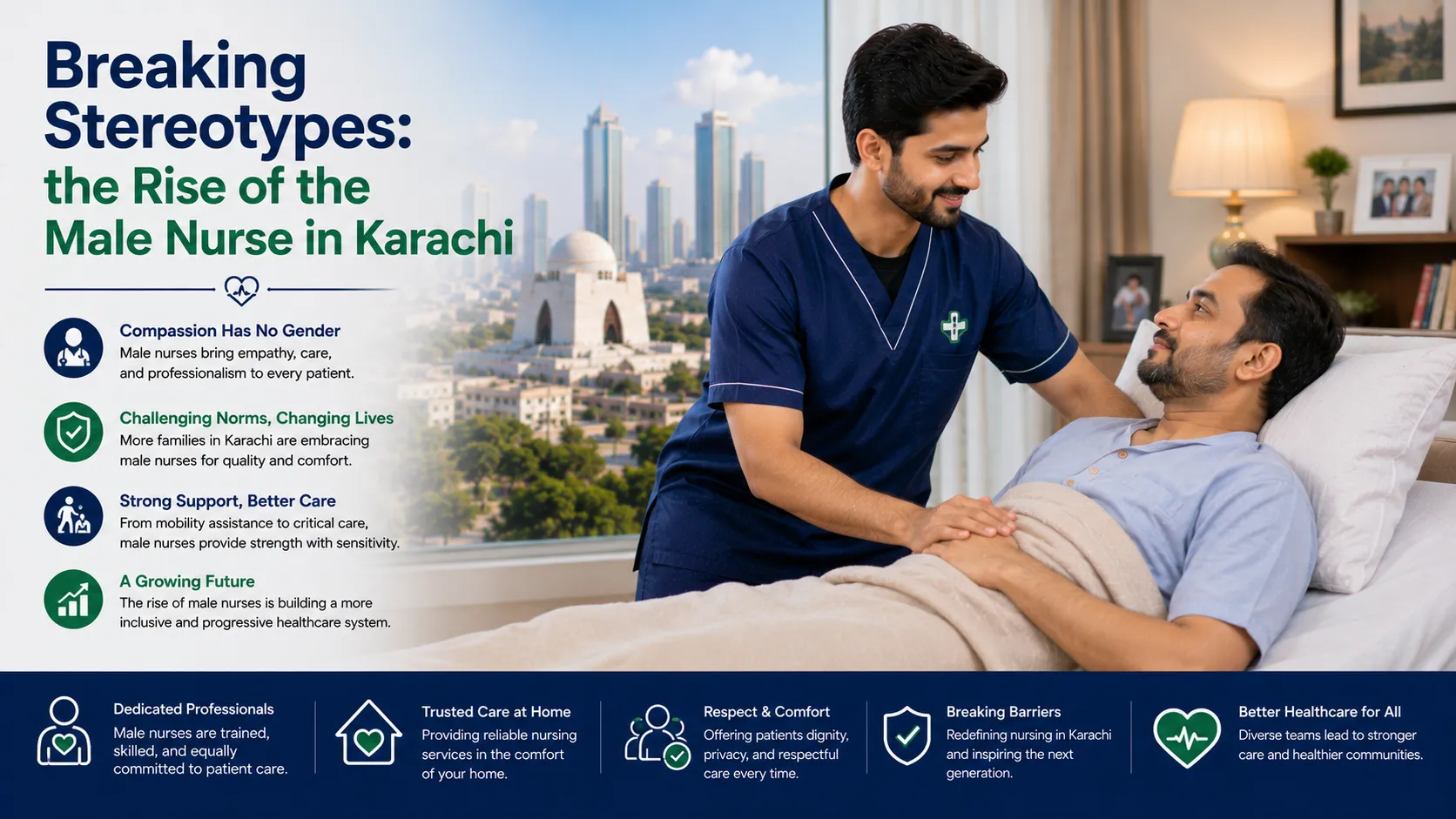
Despite progress, a male nurse in Karachi frequently encounters stereotypes that question his suitability for caregiving roles. Family members may express concern that nursing is “not a man’s job,” leading to hesitation during career selection. Moreover, some patients, especially older generations, initially show reluctance to accept care from a male nurse, assuming that only women can provide compassionate support.
These attitudes translate into practical obstacles. Male nursing students sometimes report limited access to clinical placements in maternity or gynecology wards, where supervisors fear discomfort among female patients. Additionally, workplace policies often lack facilities such as male‑friendly changing rooms, creating logistical inconveniences during long shifts.
Consequently, many aspiring male nurses consider alternative healthcare careers that appear more socially acceptable. Overcoming these challenges requires both individual resilience and systemic support from educational institutions and hospitals.
Training and Education Pathways
Becoming a male nurse in Karachi begins with enrolling in a recognized nursing diploma or degree program. Institutions such as the Jinnah Sindh Medical University, Dow University of Health Sciences, and various private colleges offer curricula that combine theoretical knowledge with hands‑on clinical practice.
Students study anatomy, pharmacology, patient ethics, and community health, while also completing rotations in departments like emergency medicine, pediatrics, and operating theaters. Importantly, modern programs now include gender‑sensitivity training to prepare all students for diverse patient interactions.
After graduation, candidates must pass the Pakistan Nursing Council licensing examination. Successful licensure opens doors to government hospitals, private clinics, and specialized centers such as cardiac care units or rehabilitation facilities.
Workplace Settings and Specializations
Male nurses in Karachi often gravitate toward specialties where physical strength and technical expertise are valued. Intensive care units (ICUs), operating rooms, and trauma centers frequently employ male nurses for tasks such as lifting patients, managing ventilators, and assisting surgeons.
In addition, many male nurses pursue advanced certifications in critical care, anesthesia assistance, or emergency medical services. These qualifications not only enhance career prospects but also allow them to lead multidisciplinary teams during high‑stress situations.
Nevertheless, a growing number of male nurses also work in community health, mental health, and geriatric care, demonstrating that their contributions extend beyond physically demanding roles.
Impact on Patient Care
Research conducted in Karachi’s tertiary hospitals indicates that patient outcomes are unaffected by the nurse’s gender. Satisfaction scores, medication error rates, and recovery timelines show comparable results between wards staffed predominantly by female nurses and those with a balanced gender mix.
Qualitative interviews reveal that patients appreciate male nurses for their calm demeanor during emergencies, clear communication during procedures, and willingness to engage in candid conversations about pain management. Moreover, male nurses often serve as role models for young men considering healthcare careers, gradually shifting cultural perceptions.
Consequently, integrating male nurses into nursing teams enhances workforce diversity, which studies link to improved problem‑solving and innovation within healthcare settings.
Future Outlook for Male Nurse in Karachi
The trajectory for male nurses in Karachi appears promising, driven by three key factors. First, ongoing awareness campaigns by nursing associations challenge outdated stereotypes and highlight the profession’s stability and growth potential. Second, healthcare providers are adopting inclusive hiring practices, offering mentorship programs specifically designed for male nursing students.
Third, governmental incentives such as scholarships for men entering nursing and tax benefits for hospitals that maintain gender‑balanced staff are gaining traction. As these initiatives mature, the proportion of male nurses in Karachi is expected to rise from the current estimate of roughly 12 % to over 20 % within the next five years.
Ultimately, embracing male nurses enriches the caregiving ecosystem, ensuring that patients receive compassionate, competent care regardless of the nurse’s gender.
What qualifications are required to become a male nurse in Karachi?
Aspiring male nurses must complete a recognized nursing diploma or Bachelor of Science in Nursing (BScN) program from an accredited institution. After graduation, they need to pass the licensing examination administered by the Pakistan Nursing Council. Continuing education and specialty certifications further enhance career prospects.
Are male nurses paid differently than female nurses in Karachi?
Salary structures in Karachi’s public and private healthcare sectors are based on qualifications, experience, and role rather than gender. Male and female nurses with equivalent credentials and years of service generally receive comparable pay scales.
Which departments employ the highest number of male nurses in Karachi?
Male nurses are most commonly found in intensive care units, operating rooms, emergency departments, and trauma centers. These settings value the physical stamina and technical skills that many male nurses bring to the team.
How can hospitals encourage more men to join nursing in Karachi?
Hospitals can launch targeted recruitment drives, provide mentorship programs pairing senior male nurses with newcomers, ensure workplace facilities such as male‑friendly changing rooms, and promote success stories through internal communications and social media.
Do patients in Karachi prefer female nurses over male nurses?
Studies conducted in Karachi’s hospitals show no significant preference based on nurse gender. Patient satisfaction hinges more on communication skills, empathy, and clinical competence than on whether the nurse is male or female.
Ready to Support Male Nurses in Karachi?
If you are a healthcare administrator looking to diversify your nursing workforce, or a young man considering a rewarding career in nursing, take the next step today. Contact local nursing schools for admission details, or reach out to hospital HR departments to learn about mentorship and recruitment programs.