
Every year, millions face a life‑altering event that strikes without warning. Understanding the Top Causes of Stroke can empower you to act before it’s too late. This guide breaks down the most common triggers, explains how they damage the brain, and offers practical steps to lower your risk.
Stroke is not a random accident; it is the result of specific physiological processes gone awry. By recognizing the underlying factors, you gain the knowledge needed to protect yourself and your loved ones. Let’s explore the leading contributors in clear, actionable detail.
Key Takeaways
- High blood pressure remains the single most potent cause of stroke.
- Atrial fibrillation dramatically increases the chance of a clot‑related brain attack.
- Diabetes, high cholesterol, smoking, and obesity each independently raise risk.
- Lifestyle modifications can cut stroke probability by up to 80%.
- Immediate medical attention at the first sign of symptoms saves lives.
Top Causes of Stroke: Breaking Down the Main Risk Factors
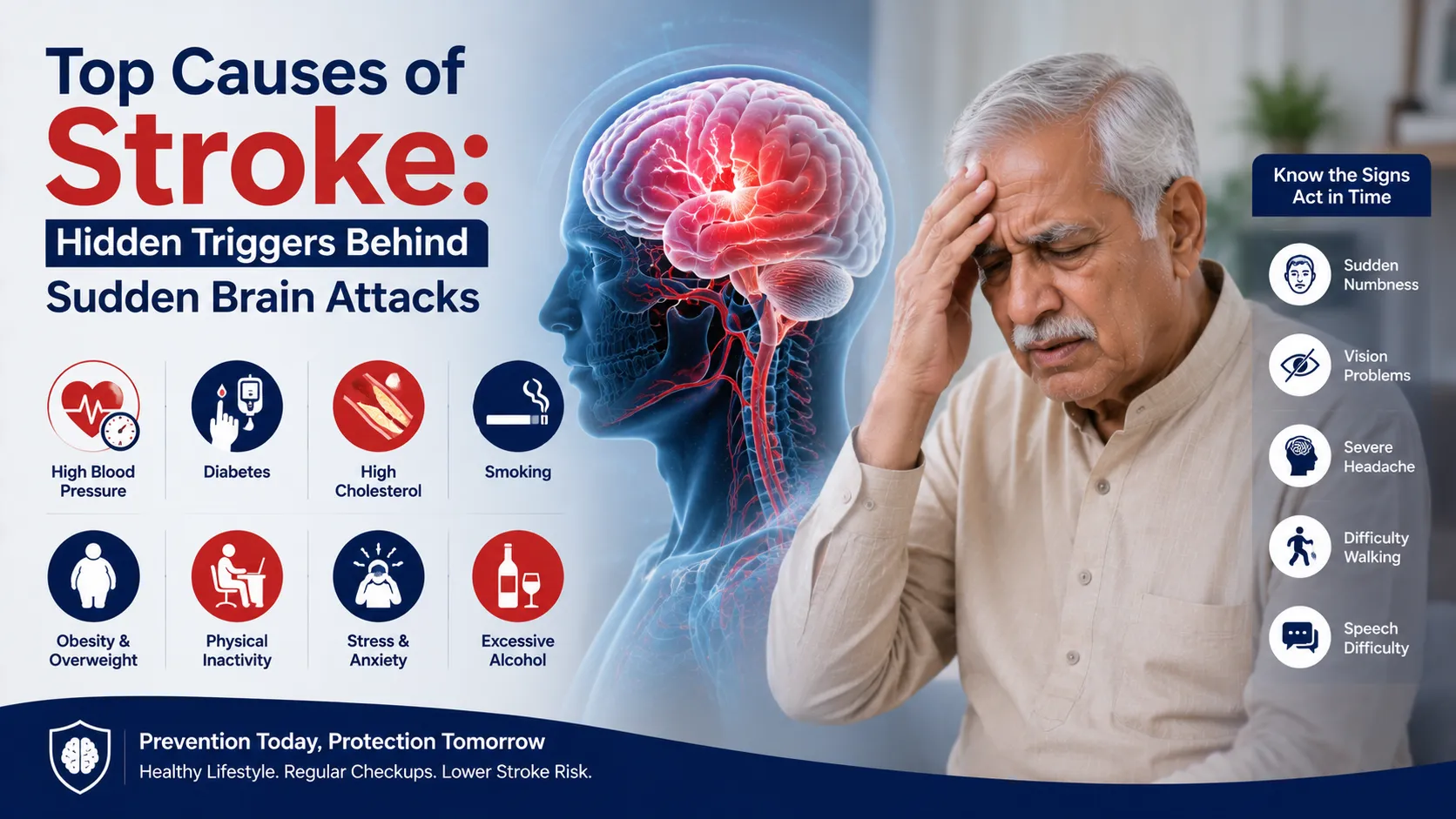
Hypertension, or chronic high blood pressure, damages artery walls over time. This wear creates rough spots where clots can form, eventually blocking blood flow to the brain. Keeping systolic pressure below 120 mm Hg reduces this danger substantially.
Furthermore, atrial fibrillation (AFib) causes the heart’s upper chambers to quiver ineffectively. Blood pools in the left atrium, forming clots that may travel to cerebral arteries. Anticoagulant therapy lowers stroke risk in AFib patients by roughly two‑thirds.
In addition, diabetes accelerates atherosclerosis, narrowing the vessels that feed the brain. Elevated glucose also makes blood more prone to clotting. Tight glycemic control, measured by HbA1c under 7%, mitigates this threat.
Consequently, high LDL cholesterol contributes to plaque buildup inside arteries. When plaques rupture, they trigger clot formation that can occlude cerebral circulation. Statins and diet adjustments aim to keep LDL under 100 mg/dL.
Moreover, smoking introduces toxins that inflame blood vessels and make platelets stickier. Even occasional use doubles the likelihood of ischemic stroke compared to never‑smokers. Quitting yields immediate vascular benefits.
As a result, obesity—especially visceral fat—promotes inflammation and insulin resistance. These metabolic shifts exacerbate hypertension, diabetes, and dyslipidemia, creating a dangerous cascade toward stroke.
Furthermore, a sedentary lifestyle weakens cardiovascular fitness and encourages weight gain. Regular aerobic activity, such as brisk walking for 150 minutes weekly, improves endothelial function and lowers blood pressure.
Therefore, excessive alcohol intake raises blood pressure and can induce atrial fibrillation. Moderation—no more than two drinks per day for men and one for women—helps keep risk in check.
In addition, certain genetic conditions like sickle cell disease or familial hypercholesterolemia predispose individuals to early stroke. Screening family history enables proactive management.
Consequently, untreated sleep apnea leads to nocturnal oxygen drops, raising blood pressure and promoting clot formation. Continuous positive airway pressure (CPAP) therapy markedly reduces stroke incidence in affected patients.
Furthermore, chronic stress elevates cortisol, which can tighten arteries and increase clotting tendency. Stress‑reduction techniques such as mindfulness or yoga contribute to vascular health.
As a result, drug misuse—particularly cocaine and amphetamines—causes sudden vasospasm and hypertension spikes, precipitating hemorrhagic or ischemic events.
Therefore, recognizing these factors equips you to target the most relevant interventions for your personal risk profile.
Lesser‑Known Contributors to Stroke Risk
While the major drivers dominate discussions, several under‑appreciated elements also play a role. Awareness of these can refine prevention strategies further.
For instance, migraine with aura has been linked to a modest increase in ischemic stroke, especially in young women who smoke or use oral contraceptives.
Additionally, autoimmune disorders such as lupus cause systemic inflammation that can damage cerebral vasculature.
Moreover, certain infections—like severe periodontal disease—have associations with heightened stroke risk due to chronic inflammatory burden.
Consequently, maintaining oral hygiene and managing inflammatory conditions become part of a comprehensive stroke‑prevention plan.
Preventive Measures and Lifestyle Changes
Addressing the Top Causes of Stroke begins with measurable goals. Regular blood pressure checks, ideally at home, ensure early detection of hypertension.
Furthermore, adopting a Mediterranean‑style diet rich in fruits, vegetables, whole grains, nuts, and olive oil supports healthy lipid profiles and reduces inflammation.
In addition, engaging in moderate‑intensity exercise at least five days per week strengthens the heart and improves circulation.
Consequently, weight management through calorie control and activity lowers the strain on arterial walls.
Moreover, quitting smoking and limiting alcohol intake remove two of the most potent modifiable risks.
As a result, adhering to prescribed medications—antihypertensives, statins, anticoagulants, or glucose‑lowering agents—keeps underlying conditions in check.
Furthermore, routine medical follow‑ups allow timely adjustment of therapies based on evolving risk factors.
Therefore, a proactive, multifaceted approach yields the greatest protection against stroke.
When to Seek Medical Help
Recognizing stroke symptoms quickly can mean the difference between recovery and permanent disability. Use the FAST acronym: Face drooping, Arm weakness, Speech difficulty, Time to call emergency services.
Furthermore, sudden numbness or weakness on one side of the body, confusion, trouble seeing, severe headache, or loss of balance warrants immediate attention.
In addition, transient ischemic attacks (TIAs) often precede a full stroke; treating a TIA as an emergency prevents future events.
Consequently, never wait to see if symptoms resolve—prompt evaluation saves brain tissue and improves outcomes.
FAQ
What is the most common cause of stroke?
High blood pressure (hypertension) is the leading cause, responsible for roughly half of all strokes. It damages arteries, making them prone to blockage or rupture.
How does atrial fibrillation increase stroke risk?
Atrial fibrillation causes the heart’s upper chambers to quiver, allowing blood to pool and form clots. These clots can travel to the brain, blocking a cerebral artery and causing an ischemic stroke.
Can lifestyle changes really prevent stroke?
Yes. Controlling blood pressure, cholesterol, glucose, weight, quitting smoking, limiting alcohol, exercising regularly, and eating a balanced diet can reduce stroke risk by up to 80%.
While genetics can predispose individuals to conditions like hypertension or sickle cell disease, most stroke risk stems from modifiable factors. Knowing family history helps target screening and preventive care.
What should I do if I suspect someone is having a stroke?
Act fast: call emergency services immediately, note the time symptoms began, and keep the person calm and lying flat if possible. Do not give food, drink, or medication.
Take Charge of Your Brain Health Today
Knowledge is power, but action saves lives. Start by checking your blood pressure, scheduling a wellness visit, and adopting one heart‑healthy habit this week.